Viewing entries in
Rock

Billy Squier – Don’t Say No (Album Review)

Billy Squier – Don’t Say No (Album Review)

Released in 1981, Don’t Say No features ten tracks of hard-hitting rock music with catchy riffs and powerful vocals that ultimately became Squier's breakout success, following his solid solo debut The Tale Of Tape. Spawning several hit singles and earning him critical acclaim, Don’t Say No is a quintessential example of the 80s hard rock sound, featuring heavy guitar riffs, synthesizers, and anthemic choruses. It’s 80s to the core, but the high production values ensure that it not only remains a highlight of the era, but still holds up today.

The artwork, however, hasn’t aged so well and is arguably one of the most uninspiring pieces of album artwork that I’ve ever seen. While it doesn’t qualify for a position on The Worst (And Most Disturbing) Album Covers Of All Time, it equally doesn’t compel me to pick up the album from the visual standpoint alone. Let’s just say, at times like this, I’m glad we listen with our ears and not our eyes.

Listening to Don’t Say No, via Apple Music, is subsequently pleasing. There’s clarity, fullness, and a vibe that will keep you coming back for more. That said, at times I feel there is a veil over the recording and that it truly doesn’t come alive. Of course, that could just be an opinion based on wanting to pick up the extremely well-received vinyl reissue from Intervention Records but until I get a chance to pick up the vinyl version, this Hi-Res Lossless Apple Digital Master is the perfect counterpart; even if the aforementioned reissue is artist approved.

Unfortunately, one common limitation of streaming is that we don’t know if Squier signed off on the release or not. While that normally wouldn’t be an issue, Squier did approve the vinyl reissue and it would be interesting to know what involvement he had in the 2010 remastering from which I believe the stream on Apple Music is derived. Nevertheless, it’s the music we’re after, isn’t it? Please join me as we explore the incredible songs that make up this landmark 1981 release.

In The Dark starts off slowly but it isn’t long before it turns into a high-energy rocker with a driving beat and a blistering guitar solo that sets the tone for what's to come.

The Stroke is likely Squier's most well-known song, with its instantly recognisable riff and catchy chorus. Rock music doesn’t get much better than this, does it?

If you’re interested in the crossing of musical streams, Eminem sampled the tune on his 2013 song Berzerk. It isn’t the greatest Eminem tune, by any standards, but it’s great to hear Squier’s killer riff extended beyond his recording. In fact, it isn’t the only time Eminem was inspired by Squier for he also sampled the next song on the album, My Kind Of Lover, on his 2014 song Shady XV.

My Kinda Lover is a fantastic mid-tempo rocker with a chorus that will compel you to sing along.

You Know What I Like is the first non-standout album tune but its driving rhythm and Squier’s corresponding vocal delivery ensure that it is vital to the overall album experience.

Too Daze Gone is a mondegreen waiting to happen; I love it! Too Daze Gone is one of the greatest songs from Don’t Say No. You’ve likely never heard it outside of the album structure but it should have been a hit; if for no other reason than its wittiness. Of course, if you’re like me, you’ll also be drawn to the addictively good funky basslines, memorable guitar riffs, and piano playing.

Lonely Is The Night is simply magnificent. How this wasn’t released as a single is beyond me for it has that Led Zeppelin feel that just screams chart-topper. Of course, it sounds like Zeppelin because the styling is very similar to that of Nobody's Fault But Mine from their 1976 release, Presence.

Nobody's Fault But Mine wasn’t an original Led Zeppelin tune, however, just a re-arrangement and new interpretation for the core of the song was originally written and recorded by Blind Willie Johnson in 1927. The original was so compelling that it’s had numerous interpretations, with varying styles, throughout the years and while Lonely Is The Night wouldn’t be considered a direct descendent, the spirit of the original Blind Willie Johnson tune lives on through this tune as much as it does via the other recordings that have been made.

Whadda You Want From Me is a fast-paced rocker with a killer guitar riff and a catchy chorus. What more could a rock and roll lover ask for?

Nobody Knows slows the tempo down with an acoustic-styled number containing a beautiful guitar element and a stunning vocal presentation. Nobody Knows is also perfectly positioned within the album structure for it gives the senses a reflective break before leading into the final two tunes.

I Need You is a funky power ballad with a heartfelt melody and vocal presentation that will see you singing along. What a great tune!

Don’t Say No is a substandard closer as it doesn’t always compel me to listen to the album again or further explore Squier’s back catalogue of music. While I don’t feel that the song should have been omitted, I would suggest that a re-sequencing would have been best to ensure greater synergy.

From start to finish, Don’t Say No will interest those of you who adore infectious melodies and hard-hitting rock tunes that have stood the test of time. It’s a must-listen and even if you’re not a fan of Squier’s, yet, you’re bound to find something to enjoy on this 80s masterpiece.
Peter Cetera – Peter Cetera (Self-Titled Album Review)

Peter Cetera – Peter Cetera (Self-Titled Album Review)

Released in 1981, Peter Cetera's self-titled solo debut album was a musical departure from the legendary band Chicago, where he served as lead vocalist and bassist. Yet, with a greater focus on rock elements, this release showcases just what an incredible talent as a musician, vocalist, and songwriter Cetera really is.

Co-produced with Jim Boyer (renowned for his work with Billy Joel), Peter Cetera is one of the best albums that, unless you’re a die-hard fan, you’ve likely missed. Yes, dear reader, this is a hidden gem that shouldn’t be ignored and while it was a failure from a sales perspective, success at the cash register has never been a hallmark of quality as it pertains to the creative arts.

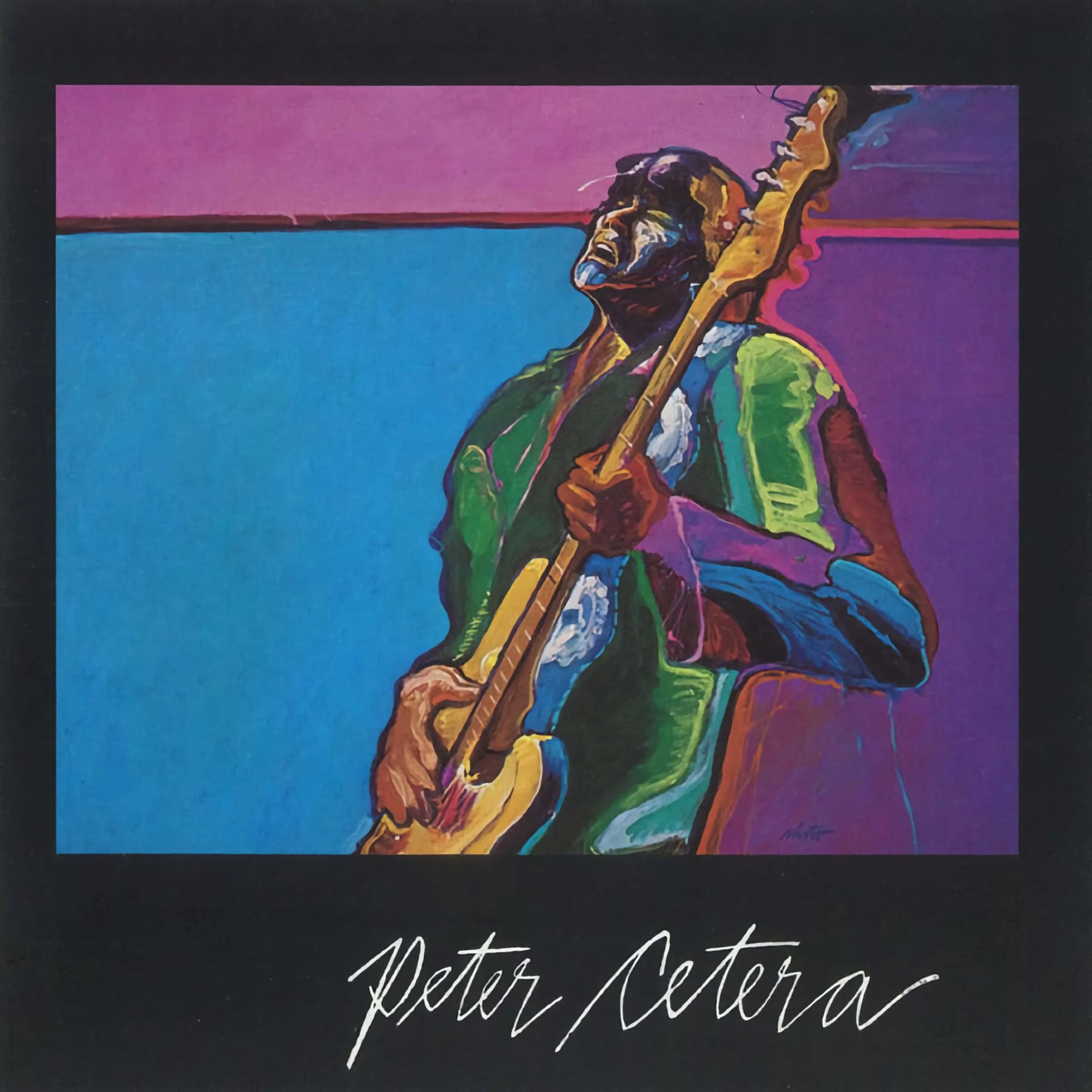
It truly amazes me how this album flew below the radar. The album artwork alone is stunning and was released when vinyl records were still the dominant music format. I don’t know about you, but I would have been captivated by the cover art alone if I had seen it on display at a local record store.

While I would love to say that musicians don’t need record labels, and their marketing teams, this is one example where the support just wasn’t given for the album’s release and sales were subsequently absent. There’s no doubt, however, that Warner Bros. Records knew that this self-titled release had the potential to be a breakout album for Cetera. Perhaps if Chicago, as well as Cetera, hadn’t just been dumped from Columbia Records, Warner (their new label) may well have been interested in focusing on something other than Chicago’s 1982 release Chicago 16.

While it is easy to vilify record labels, Cetera’s solo success would indeed have been a concern for Warner, as few artists can maintain simultaneous solo and band careers. The downside to their decision to not push the album resulted in one of the greatest albums from 1981 going largely unnoticed for decades. It is with that thought that I’m so incredibly grateful that we have access to streaming services for it allows us to seek out these hidden gems and share them with other music-loving individuals, such as yourself.

Livin’ In The Limelight is a killer tune that has a catchy and upbeat rhythm with one of the very best driving basslines and guitar riffs you’re ever likely to hear in all of recorded music history. It’s a masterpiece!

I Can Feel It continues the rocking groove, with a slightly slower tempo, that allows Cetera’s impressive vocal reach to take center stage. It’s a fantastic tune and while not as strong as Livin’ In The Limelight, it’s thoroughly enjoyable and the guitar solo, while subtle within the mix, adds to the overall feel of the tune.

How Many Times has an incredibly funky bassline and catchy chorus. It’s simply fantastic and is one of the best songs Cetera ever recorded; including those with Chicago. Some may disagree, but How Many Times showcases Cetera's versatility as a musician, particularly as a vocalist, and is one of the greatest hidden gems just waiting for music lovers to find.

Holy Moly has an upbeat Boz Scaggs' feel to the tune; magnificent!

Mona Mona is a stunning jazz-inspired song. All elements are utterly perfect and Cetera’s lyrical pace is spot-on for his style of vocal delivery. However, the most noteworthy element is Gary Herbig's saxophone playing for it takes the tune to masterpiece status.

On The Line is a perfect mid-tempo tune with yet another incredible vocal performance from Cetera and a memorable guitar solo from Josh Leo. It may be an album tune, but it’s songs like On The Line that make this self-titled release so compelling.

Not Afraid To Cry is a solid album track. It's not a standout, but every song need not be extraordinary to ensure an album is thoroughly enjoyable.

Evil Eye is a funky, country guitar-driven track with a catchy chorus. What’s not to like? Cetera’s ability to fuse different genres seamlessly never ceases to amaze me.

Practical Man transitions extremely quickly from Evil Eye, perhaps a little too quickly as you could mistake Practical Man for a continuation, a second part if you will, of the previous song. Intentional or otherwise, Practical Man is another solid album tune with some memorable musical hooks and more of Cetera’s unique and pleasurable singing.

Ivy Coloured Walls is a perfect closer. While not the strongest song, although I love the chorus and the guitar solo, it does compel me to listen to the album again and further enjoy Cetera’s extensive catalogue of solo recordings as well as those with Chicago.

Overall, Peter Cetera's self-titled debut solo album is a rocking release that not only played to the era, but showcased Cetera’s incredible musical talents. With a little less production, compared to Chicago’s releases, Cetera took center stage as he explored new musical directions. It remains a shame that the album didn’t garner more recognition for it is severely underrated. Nevertheless, this self-titled album is a timeless classic that can now be fully appreciated in the modern era by music lovers the world over.

The Cold Stares – Voices (Album Review)

The Cold Stares – Voices (Album Review)

The blues with a healthy dose of rock and roll has never sounded so good. 

Released on the 10th of March 2023, Voices is the sixth studio album from the American rock band The Cold Stares and will stun those of you who appreciate blues-based rock and roll for the Indiana based rockers have recorded a modern masterpiece.  

Recorded, mixed, and mastered with kid gloves, Voices is one of the best albums you’re likely to hear in 2023 and is, without a doubt, one of the finest blues-based rock releases this reviewer has ever had the pleasure of hearing. There’s no extraneous musical interplay for every aspect is perfectly considered and even though the original lineup, up until this release, was presented as a duo with Chris Tapp (guitar/vocals) and Brian Mullins (drums) handling all musical aspects, the inclusion of bassist Bryce Klueh has added yet another dimension to their already exceptional blues-based rock style and sound signature. 

Voices is subsequently their greatest creative endeavour and while I wouldn’t have ever thought that the band needed a dedicated bassist, based on the fullness of their previous releases, the addition only further amplifies their music.  

Sonically, the Lossless Apple Music Stream is absolutely stunning. You’ll get that classic blues meets country meets rock vibe and you’ll find yourself constantly wanting to turn the volume up for music, especially in the modern era, is rarely produced so well. Yes, it’s a little louder than what may be considered ideal, but not obnoxiously so as the loudness is designed to merely bring it in line with other modern music mastering levels but at no time does that detract from the wondrous enveloping soundstage.

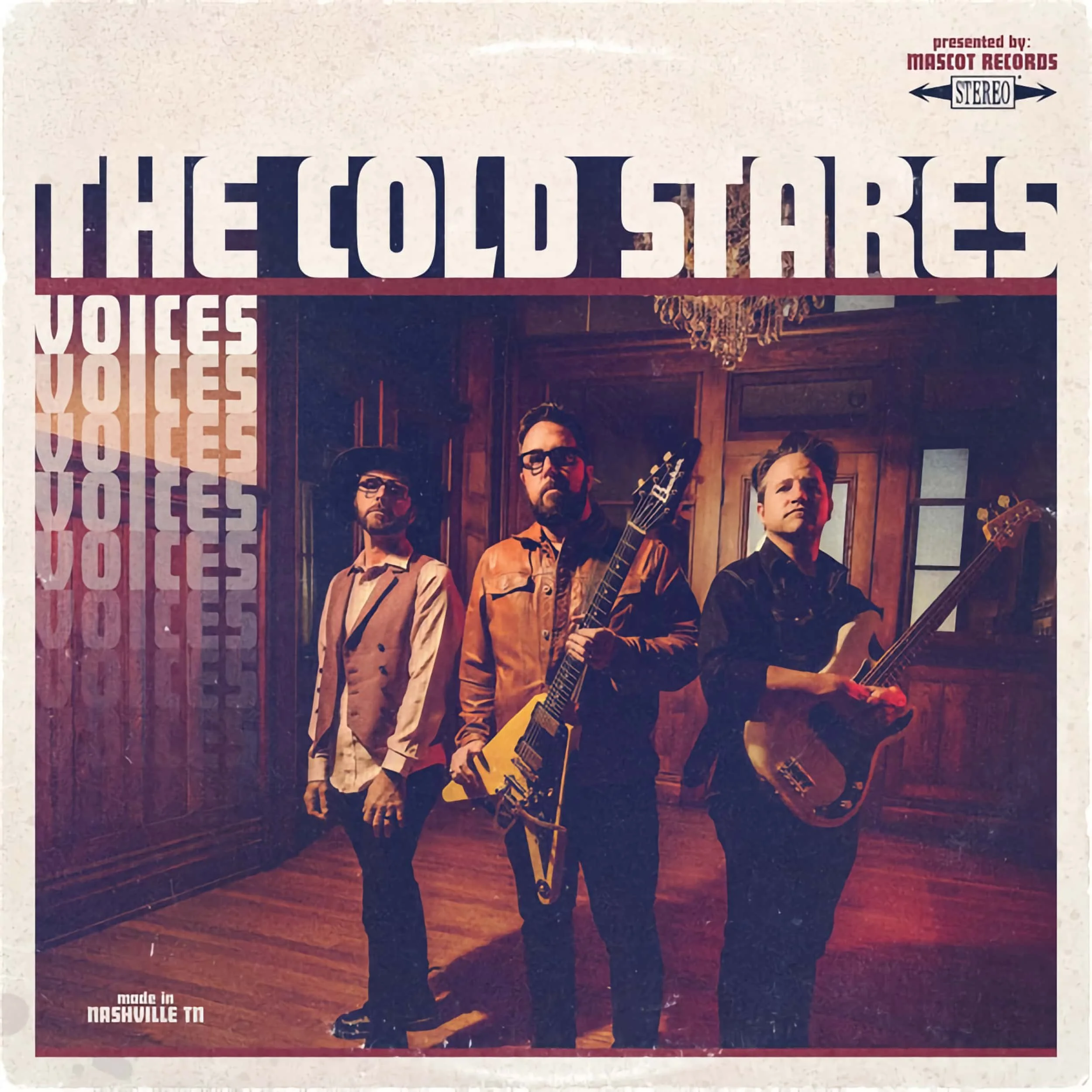
Adding to the sound of the record is the appealing cover art design. I don’t know about you, dear reader, but I love it when artists create modern record covers that hark back to those of yesteryear, particularly from the vinyl era. Granted, it doesn’t work for all styles of music, but it works for Voices and while I’ve yet to pick up a copy on vinyl, this is one album that would stand out on the larger canvas. 

Nothing But The Blues, from the very first note, sets the tone for the entire album; a fantastic opener!

Come For Me has a little Eric Clapton influence, particularly from his classic cover of Cocaine. That correlation, intentional or otherwise, is a compliment, for the groove and guitar licks of both songs are infectious.

The Joy shifts the tone a little and for a moment I was taken back to the 90s as Soundgarden and Stone Temple Pilots were ringing in my ears due to the level of distortion used on The Joy. Joyous is one way, albeit a lazy way, to describe The Joy for its internal shifts are thoroughly enjoyable and that guitar solo is off the charts. 

Lights Out picks up the tempo and has a greater focus on rock elements throughout. It’s like Led Zeppelin meets Deep Purple with a blues twist. Magnificent!

Got No Right is a fun little tune with a correlation that could be made to The Doors’ Roadhouse Blues. As much as I enjoy it, however, I feel it could have had a bolder focus on the guitar as it could have been a standout track had a grinding guitar element been added to this mix. Yes, I acknowledge the short solo, but it deserved more prominence throughout. While Got No Right wasn’t ever going to be a standout song on Voices, as an album track, it works perfectly in the chosen sequencing. 

Sorry I Was Late is a sonic masterpiece and is the best song from Voices. Music such as this reminds me why I’m so passionate about music for it makes you stop, listen, and become captivated by the tale that is being presented audibly. Sorry I Was Late is one of those songs that has to be heard firsthand for there really isn’t an adequate word, or series of words, that can describe the feeling one gets from listening to such an exceptional song. 

Voices is a great toe-tapping head-bopping title track. Unlike Got No Right, Voices has the bolder guitar element that I wish the aforementioned track had. Subsequently, if you’re not grooving along to this tune, you’re listening wrong. 

Waiting For The Rain Again flows perfectly from Voices and has a killer guitar lick. Sometimes that is all that’s required for music to speak to you and while I’m not a music lover particularly focused on listening to and interpreting lyrics, instead choosing to listen to vocals as an instrument in the mix, it’s songs like this that have the perfect mix of all elements that allow me to intersperse the occasional lyric into my own thought process. 

Sinnerman has a great low-fi sound that amplifies the song to heights that would have been missing without it. I am, however, glad that it was used as a technique and not applied to the entire album for its more monotonous tone works exceptionally well here, but would likely have detracted from the album experience should it have been overused. This is one aspect that allows me to appreciate The Cold Stares even more in that they’re not afraid to use a recording style but to use it sparingly and only to amplify the music.  

Throw That Stone is akin to Sorry I Was Late in that it is sonically and musically impressive. I’d comment further, but it’s time to sit back and simply enjoy the song. 

It’s Heavy picks up the tempo with a rocking tune. I love these shifts and the chosen sequencing was done brilliantly as the flow, and space between songs, don’t cause a jolt to the senses meaning that you can go from the more mellow, Throw That Stone, to the much weightier, It’s Heavy, and not skip a beat. 

Thinking About Leaving Again is more of the same, you know, the good stuff! Despite diversity throughout, it could be said that much of The Cold Stares’ music seamlessly blends so well because it is so similar to the rest of the music within their catalogue. I wouldn’t fundamentally disagree for knowing what to expect offers a level of assurance that is arguably more important than an artistic tangent.  

The Ghost is a beautiful closer. It slows the tempo down to a contemplative pace while simultaneously encouraging repeat listens of the album. However, it is that slow and continuous build that is the highlight here for you get a sense that the song could go into a blues-rock number but, instead, it remains very low-key and delicately ends without additional fanfare; perfect!

From start to finish you’re not going to find a tighter blues-based rock and roll album to sink yourself into. Yes, there are numerous classic albums that could be referenced, but The Cold Stares have written and recorded such an incredible album that I truly believe it is a landmark release and one that already has classic album status written all over it. You may disagree, and that’s your prerogative, but Voices is not only one of the very best albums from 2023, but one of the best albums ever recorded in all of music history; it’s that good!  

Gerry Rafferty – City to City (Album Review)

Gerry Rafferty – City to City (Album Review)

Released in 1978, Gerry Rafferty’s second solo studio album, City To City, is a classic release that showcases the singer-songwriter's distinctive vocal and skillful songwriting. With a perfect blend of pop, rock, and folk, City To City is not only a timeless record but is amongst the best of Rafferty’s career. 

Sonically, the lossless Apple Music stream is thoroughly enjoyable but does it require a remaster? I don’t feel it does as every musical element is beautifully represented and heard within the soundstage. The simple fact is that there aren’t any glaring issues. Yes, a little more focus on the mid to low end of the spectrum would be nice, but adding a little bass to your EQ settings fixes that dilemma. 

That all said, a vinyl reissue, released in February 2023, is getting rave reviews. Given the mastering quality that is normally forthcoming from Miles Showell and Abbey Road Studios, I feel compelled to order a copy, particularly considering the exceptional artwork demands the larger canvas that only vinyl can accommodate. My only hesitation is that it is pressed across three sides with the fourth being an etched design. This isn’t uncommon for Showell's half-speed master releases, as he aims for the highest sonic quality, but given the original edition was pressed to a single LP, it would have been nice had this been replicated as flipping record sides does get a little tiresome, regardless of the sonic benefits. 

Additionally, given I thoroughly enjoy the lossless Apple Music Stream, sometimes it’s important to be satisfied with the version we currently have access to, particularly if we find it pleasurable, rather than constantly looking for a better version that may or may not appeal to us.  

The Ark opens the album with a beautiful mellow folk tune that builds into a slow soft rock number before returning to its roots. It’s magnificent, with a dreamy chorus, and sets the tone for the entire album.

Baker Street is the most well-known song from City To City and Rafferty’s career. That distinctive saxophone solo, courtesy of Raphael Ravenscroft, is where the magic truly happens for as exceptional as the song is, it wouldn’t be a landmark release if it had not been for that introductory solo that reappears throughout. Of course, that shouldn’t detract from the other aspects of the song, particularly the guitar solo, that are just as noteworthy. Ultimately, Baker Street is so perfect that it very well could be a textbook example of how to write and record music. Incredible!

Right Down The Line has a Clapton feel to it but besides that correlation, Right Down The Line is a great tune and one that, similarly to Barker Street, was well received upon release. The only disappointing element is that the fade-out comes in a little too early and is too brief. Some may not mind that, but I find that it detracts from an otherwise perfect tune. 

While I’d love to hear Eric Clapton cover Right Down The Line, Bonnie Raitt’s version, from Slipstream, is a lovely modern interpretation; although the original is hard to beat.

City To City has corny components, particularly thanks to the use of the harmonica and other atmospheric elements such as the train-inspired sounds, but its arrangement is so thoroughly enjoyable that I can’t help but appreciate this title track. 

Stealin’ Time slows down the album with a bluesy guitar riff accompanying Rafferty’s soulful vocals. It’s such an incredible tune and is a core reason why City To City, as an album, is essential for all music lovers. 

Mattie's Rag has a Beatles’ influence and while some may lament that aspect, the Fab Four did forever change music and the subsequent complementary tip of the hat should be taken as a gesture of respect. That aside, Mattie's Rag is a fun little tune that works well with not only Rafferty’s style but within the context of the album itself. 

Whatever’s Written In Your Heart is pure musical bliss. Rafferty’s vocal is magnificently performed and the harmonious backing vocal is the perfect addition to the mix; an otherwise simple composition that ensures the focus is on the song’s lyrical context. Whatever’s Written In Your Heart is another of those hidden gems that we love here at Subjective Sounds for it is music such as this that reminds us why we love the music we do. 

Home And Dry is the perfect album track. It isn’t a standout and you’re unlikely to be drawn to it outside of the album structure, but it’s so good. It’s songs such as Home And Dry that require no fanfare but take an album from a collection of haphazardly collected songs to the coveted album experience. 

Island is another solid album tune that’s simply lovely. As you may have already ascertained, sometimes that is all that’s needed for every song doesn’t need to be a hit. 

Waiting For The Day is a high-energy bookend to City To City and I couldn’t imagine a better song from Rafferty’s catalogue to close the album with as it encourages repeat plays. While the uptempo styling is fantastic, it’s the slower elements throughout that ensure Waiting For The Day is memorable as it gives the senses a chance to breathe and appreciate the music. 

From start to finish, City To City is flawless. While it’s Rafferty’s greatest musical achievement, it is also amongst the greatest albums released in the 70s and is, without doubt, one of the very best releases from 1978; an incredible year for music. 

The Moody Blues – Octave (Album Review)

The Moody Blues – Octave (Album Review)

Released in 1978, Octave is the ninth studio album from The Moody Blues and dare I say one of their greatest, if not their greatest release. Certainly, that perspective is heavily based on subjectivity, for Octave isn’t often at the top of everyone’s list, but when music sounds this good, it is difficult to overlook.

While I can’t speak for anyone else, the probable culprit, besides the lengthy hiatus between releases, of Octave’s less-than-stellar acceptance amongst fans, likely has more to do with the slight shift in style when compared directly with their previous works. For instance, Octave relies far more heavily on synthesised elements but to ignore the release on that aspect alone appears very shortsighted. Admittedly, when we find an artist that we thoroughly enjoy, we want more of the same. However, is it not better to appreciate one, or a small selection of albums, than to feel dejected by an album that doesn’t match up to our subjective expectations?

Much of The Moody Blues music, including this release, is a sonic journey that has to be experienced firsthand to be fully appreciated. Octave, subsequently, is a hidden gem that deserves another listen if you’ve previously ignored the release. It was also the last album The Moody Blues would record with longtime producer Tony Clarke and while producers aren’t always given their dues, their influence bleeds into the work. Yes, the core of The Moody Blues would persist, post-Octave, but their newer works were somewhat different and, in my opinion, not as appealing. 

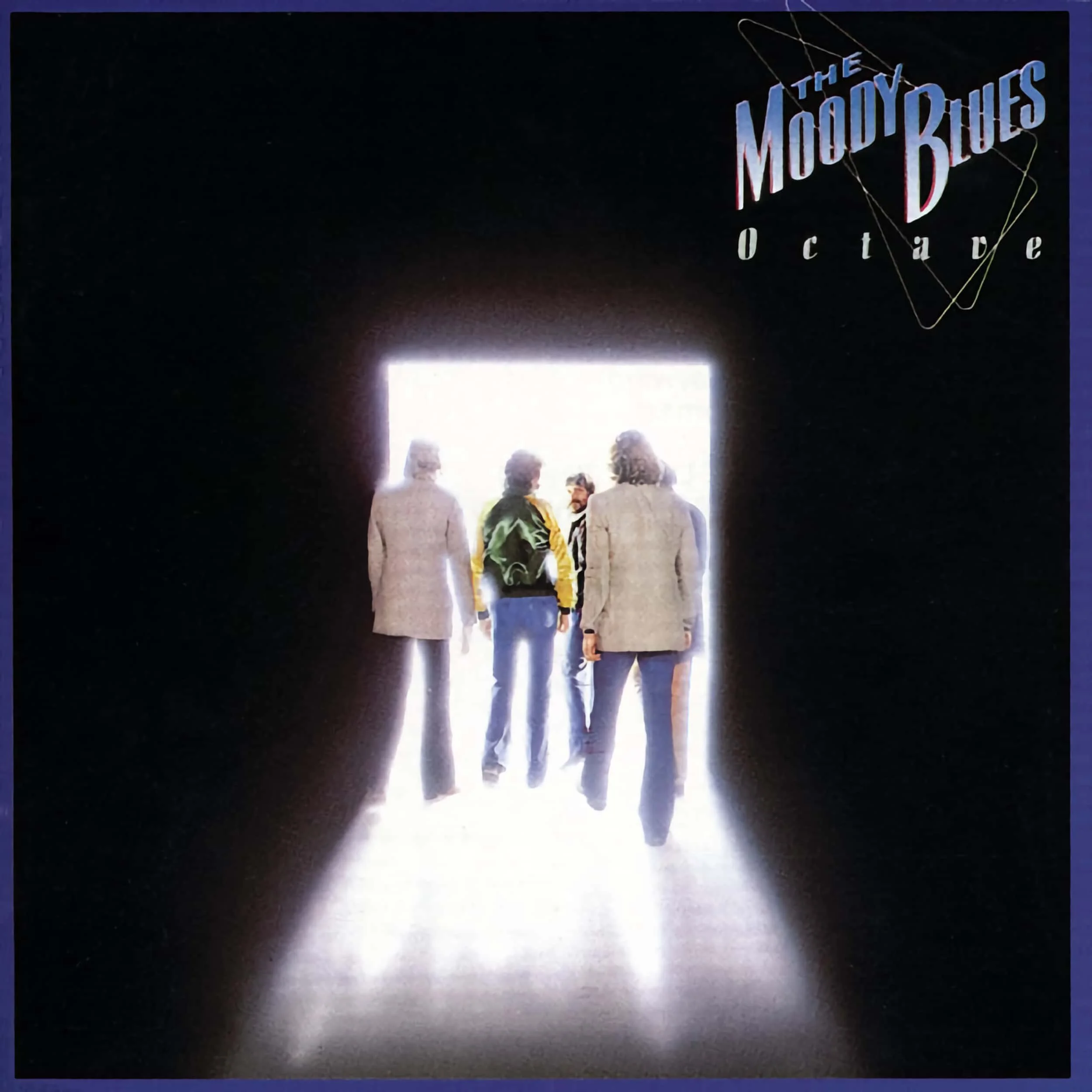
As it pertains to album artwork, I also consider Octave to be the best from The Moody Blues’ entire catalogue and that’s saying something for they’ve always had well-designed artistic album covers. This one, however, done by the legendary John Kosh, is as captivating as the music is. The doorway to somewhere else concept is hardly new, but it hasn’t aged and is still as vinyl canvas-worthy today as it was upon its initial release. 

When listening to modern releases, or remastered reissues, we usually experience a loud reproduction of the music contained within. That isn’t the case with the Lossless Apple Music stream. While not presented as a Hi-Res Lossless stream, or an Apple Digital Master, the mastering, on this particular release, allows the listener to turn the volume up to their preferred setting. Subsequently, you’ll be met with a full-bodied sound that is thoroughly enjoyable. Could it be better? Perhaps, and there are examples such as when listening to Top Rank Suite where I’d love to hear the brass elements come alive a little more, but it’s a minor quibble and doesn’t detract from the overall experience of the album. It’s also possible that that aspect could be corrected in the mix rather than mastering stages. 

Delving deeper, I note that the Expanded Edition has the 2008 publishing trademark whereas the standard version is listed as 1978. It’s incredibly frustrating when this happens and I do wish that the record label and Apple Music would offer a more detailed explanation of which edition is derived from which master because both versions are noticeably different. They’re both lovely, in their own right, but you’ll find that you prefer one over the other and it would simply be nice to know more details about a particular release. 

I prefer the standard edition, as will be shown below, as I feel it’s more luscious and dare I say more analogue with a warm and enveloping sound signature. That said, give both a listen and see which you prefer as I can’t tell you which is better (a terrible metric, by any standards) as they both have their pluses and minuses. Additionally, while I’m not overly keen on bonus songs, the Expanded Edition does contain five additional live tracks that may be of interest to you.

Steppin’ In A Slide Zone has a slow atmospheric build with a killer guitar intro and riff throughout. Once the energetic styling of the song enters the mix, it becomes a classic rock tune and sets the tone for the entire album; a great opener. 

Under Moonshine is, by comparison, more mellow with a style more reminiscent of The Moody Blues’ earlier recordings with a delicate lead vocal, dreamy harmonies, and symphonic elements that take you on a musical journey. 

Had To Fall In Love is one of the very best ballads I have ever heard. Yes, dear reader, I love a good ballad and the soulful vocal performance, melded with the musical backing, is utterly perfect making Had To Fall In Love one of The Moody Blues’ greatest recordings and one of the best ballads from the 70s. Magnificent!

I’ll Be Level With You is a raw rocker with an upbeat styling that while considerably different to Had To Fall In Love, becomes a value-added tune within the context of the album. While you’re unlikely to seek out I’ll Be Level With You on its own, Octave wouldn’t be the same without it. Plus, the guitar work and solo towards the end are thoroughly enjoyable and always encourage me to get out my air guitar. 

Driftwood is a beautiful ballad. 

Top Rank Suite, and its upbeat rhythm and jazz styling, is addictively good. No, it isn’t the greatest song on Octave, and may well be considered the weakest track on the album, but the light-hearted musical styling makes this one fun song to listen to. 

I’m Your Man has a mellow blues-based styling but as good as the musical elements are, it’s the smooth vocal that ensures I’m Your Man is a standout track. 

Survival is hypnotic, symphonic, and captivating. A hidden gem? I truly believe so, but I’d go one step further and declare it a trademark tune and a timeless classic recording.

One Step Into The Light is another standout track with a beautiful melody and lush instrumentation. 

The Day We Meet Again is the perfect closer to an exceptional album. It’s simply incredible and is a sonic pleasure for the ears. While ballads are certainly a trademark of The Moody Blues, this one leaves you both in a contemplative mood as well as being interested in spinning the album again. Such a song is a rarity but when they exist, it results in a cohesive album experience; one worthy of The Moody Blues. 

Overall, Octave is an exceptional addition to The Moody Blues' discography, featuring a mix of upbeat rockers and moving ballads. While some may lament various elements of Octave, it’s clear that the band were at the top of their game with each member contributing their own unique talents to the mix and direction of this 1978 masterpiece. 

The Angels (Angel City) – Face to Face (International Version) [Album Review]

The Angels (Angel City) – Face to Face (International Version) [Album Review]

Australia’s answer to AC/DC wouldn’t necessarily be the correct way to introduce a review for The Angels’ 1978 release Face To Face, but it wouldn’t be wrong either. 

While AC/DC will always be billed as one of Australia’s greatest exports, their success ultimately meant that their hometown sometimes feels a little despondent for the beloved rockers have spent more time abroad than at home and when success came calling, who can blame them for embracing any and all opportunities. The Angels, however, never quite matched the international heights of AC/DC and are very much Aussie to the core; still playing the pub and club scene, in the land down under, to this day. 

None of that, of course, means that The Angels didn’t see international success, for they’ve been incredibly influential, and successful, in their own right, but the troubling aspect that would haunt music lovers, just as it did with AC/DC, was the variances in editions between the homegrown Australian release of their early albums and the international versions. 

Known in some regions as Angel City, The Angels’ second studio album Face To Face would also consist of a different track listing for our international neighbours; an element that may have worked when the world was less connected than it is today, but as a byproduct of that era, it becomes frustrating when deciding which version of the album is the one that is best to listen to. 

In recent years, many artists that have had differing regional releases have chosen a standard release, usually the international edition, to be the official release henceforth, but The Angels haven’t taken this approach and instead give fans the ability to choose for themselves as three versions of this incredible album have been made available via Apple Music. While it can be fascinating to see varied editions, it also has the potential to cause indecisiveness and is therefore essential that after preliminary listens, music lovers decide on one particular release to focus on henceforth. 

The first version to consider is billed simply as Face To Face and contains the original cover art and track listing that one would have experienced if one picked up a copy in Australia in 1978. It isn’t great! That statement will likely be met with criticism, but Straight Jacket is a terrible opening tune and thankfully isn’t included on the international release. Love Takes Care is also album filler whereas the entirety of the international edition is a non-stop rocker. Live It Up is a solid tune but the live aspect doesn’t flow well from Marseilles. Songs that I do wish had made it to the worldwide release, however, are Be With You, Outcast, and I Ain’t The One; fantastic tunes!

The second version is an expanded release of the original album that also includes five live tracks and is billed as Face To Face (Alberts Classic Series). I’ve never been a fan of adding live recordings to the back end of studio albums, but in this case, they’re solid performances and a value-added proposition for fans who enjoy live recordings.  

The third option, and my preferred, is the international release that retains the Angel City band name, on the album artwork, despite being filed under The Angels. It simply has a flow that works far better than the original Australian release thereby ensuring the album experience remains paramount. As for which edition you will prefer, well I can’t say as we all have subjective likes and dislikes, but for this review, we’ll stick with the international release for simplicities sake. 

Listening via Apple Music, this edition of Face To Face is the CD counterpart in every way sans the tactile aspect, of course, and it rocks. It isn’t the final word in audio quality and I feel a remaster is in order, but a slight boost in the mid to low end will likely result in a more appreciable experience overall for most listeners. Yes, Face To Face was remastered for a CD reissue in 2011, but the Apple Music stream is not sourced from that release. As to why, I’m honestly not sure, but I can surmise that it was due to the CD being re-released under the Angel City banner rather than The Angels. Hence, when it came to streaming, the older mastering was supplied to Apple Music et al. I know, it’s a tad confusing, but at this point in time, if you’re after the remastered edition, it appears the only way to get a hold of it is to track down a copy on CD. 

Take A Long Line is a high energy upbeat number, with an addictive groove, that you’ll immediately gravitate towards. While it could be said that Take A Long Line is a run-of-the-mill rock and roll tune, and I’d likely agree, there’s nothing wrong with that as it opens the album well and sets the tone for the entire record.  

Marseilles is one of those songs that you’d be forgiven for thinking was an AC/DC tune, as the lead guitar, and overall composition throughout the song is eerily similar. Of course, Doc Neeson’s vocal is noticeably different to Bon Scott’s, so while correlations exist, they cease to be as prominent once the vocal kicks in. Now, this may be blasphemous to say but I feel Neeson is a better vocalist than Scott. Neeson has a smoother and more well-defined vocal with a little less treble that I thoroughly enjoy as I find it to be a little less fatiguing. Of course, your subjective opinion may, and likely does, differ from mine, but that doesn’t take away from the fact that Marseilles is a killer rock and roll tune by any standards. 

After The Rain is toe-tapping head-bopping gold with a killer, albeit brief, guitar solo. What a great tune!

Am I Ever Gonna See You reminds me of the music featured in countless coming-of-age films. Hence, the musicality is a little cringeworthy. It doesn’t mean, however, that it’s a bad song, but it isn’t one that I seek out on its own, outside of the album listening experience. 

Shadow Boxer has a punk feel to it. Perhaps this is a perfect example of how The Angels differ from AC/DC in that while much of their music is a replication of itself, songs like Shadow Boxer show that The Angels were capable of far more musical diversity.   

Comin’ Down is a rocking tune and is one of The Angels’ greatest recordings. 

Out Of The Blue is more mellow and will likely remind you of artists such as David Bowie, Nick Cave, and Lou Reed. It’s a great song and regardless of The Angels being inspired, or inspiring others, I love making these correlations, whether they were intentional or not, as it further explores my love of music. 

Can’t Shake It is It’s A Long Way To The Top; an AC/DC classic. As with Marseilles, the similarities subside once the lyrics enter the mix, but that guitar lick is so memorable that the similarity makes me want to spin up High Voltage.

Waiting For The World has my body moving involuntarily to the rhythm; a sign of an exceptionally good song!

No Exit is a perfect closer. The rawness presented throughout, along with the guitar tracking, overall rhythm, and Neeson’s vocals, easily ensure No Exit is one of the best songs from Face To Face

While the correlations between The Angels and AC/DC are unavoidable, in a large way due to similarities within the production team, The Angels offer music that not only pays homage to the original trendsetters but offers significantly more diversity, thereby resulting in a stunningly fresh rock and roll album that you’ll want to play time and time again.

Bob Dylan – Street-Legal (Album Review)

Bob Dylan – Street-Legal (Album Review)

Released in 1978, Street-Legal moved the needle of Bob Dylan’s creative output from a folk-based acoustic style to a pop-rock driven form that blends with his poetic singer/songwriter versatility, thereby ensuring that Street-Legal, and future releases, would be more accessible while simultaneously building upon his previous styles. Naturally, not everyone saw the brilliance in this move, and as exceptional as Dylan’s 60s-era works are, it’s his late 70s releases that intrigue me the most. 

As Dylan’s 18th studio album, it, therefore, becomes understandable that longtime fans would have been less than impressed with the stylistic changes, but what isn’t in question is the fact that the music featured on this release hasn’t aged. Sure, there are recording choices that can be linked back to the era, such as a focus on backing singers, but as you listen to Street-Legal, or any of his other albums, other than the topic of discussion within his lyrics, the musicality is as fresh today as the day it was recorded. It’s an incredible feat and one that while not alien to the music industry is an anomaly nonetheless. 

Sonically, Street-Legal has a full-bodied sound and while it would be nicer if the soundstage had a little more width and depth, the shallowness adds to the sonic presentation. While a broader soundstage sounds good in theory, it would likely dramatically shift the album, most likely resulting in a less-than-stellar sonic presentation. 

Interestingly, Don DeVito, the album’s producer, would remix Street-Legal in 1999 in order to offer a slightly different mix that would result in a richer presentation. As far as I can ascertain, the version available on Apple Music, which is the focus of this review, is the remaster of the original 1978 mix. I’ve reached this conclusion as the remixed version of Changing Of The Gods has a runtime of 7:04 whereas the original runs slightly shorter at 6:37.

While the lossless Apple Music stream isn’t an Apple Digital Master, unlike Slow Train Coming, it doesn’t suffer from this omission. It sounds as one would assume the remastered CD would have sounded and is thoroughly enjoyable. The only advantage of an Apple Digital Master, and Hi-Res Lossless presentation, would be a little more refinement in the minutia of the recording.   

For those who aren’t streaming-first music lovers, Street-Legal continues to be reissued on both the black and silver discs of yesteryear and I, for one, am thoroughly pleased with that knowledge for I see streaming as a perfect counterpart to a tightly curated vinyl and CD collection. 

Regardless of how you choose to enjoy Street-Legal, it’s an underrated gem in Bob Dylan’s back catalogue. No, it will never be his greatest record, but as an album, rather than merely a collection of songs, it’s spectacular in its own right and is among his greatest releases. While many will analyse every lyric, I much prefer to consider Dylan’s vocal as an instrument rather than a storytelling device and subsequently won’t delve into lyrical interpretations.

Changing Of The Guards has a slow build. It’s as if someone has turned up the volume after the song had already begun. Let’s be honest, it’s far better than an abrupt opening and is perfectly suited to the overarching style of the album. Coming from Dylan’s 1976 release, Desire, the first thing you’ll notice is the backing singers. While I’m a fan of backing vocals, they can make or break a song and I remain on the fence as to how well they are implemented here, and throughout the entire album, as it has the potential to detract from Dylan’s vocals while also becoming a little repetitive. Yet, after repeat listens, it doesn’t bother you as much as you would think it does and given I thoroughly enjoy Changing Of The Guards in every other way, it’s one aspect that I’m willing to look past in order to enjoy this solid Dylan tune.

New Pony is a moody blues-styled tune with a slow tempo that will see you toe-tapping and head-bopping to the rhythm. It’s a brilliant song that is not only worthy of inclusion on Street-Legal but is essential to Dylan’s back catalogue. Plus, that mid-song guitar solo is what air guitar dreams are made of. It’s just a shame it isn’t longer and more prominent in the mix.

No Time To Think has a lovely slow waltz to it and if you remove the stylistic elements, No Time To Think is more aligned to Dylan’s 60s works than you may otherwise think as the core elements that made Dylan so successful have remained present on this song and throughout the entire album. 

Baby, Stop Crying is a great tune, although I’m not too fond of the opening as I feel it doesn’t get to the crux of the song quickly enough. The backing vocals here are great, and perfectly positioned in the song structure, but I would have loved for them to be turned down a decibel or two as I feel the subtleness would have made the song even stronger by allowing Dylan’s vocal to be more prominent. Regardless, I love this tune! 

Is Your Love In Vain? is musically stunning, with a perfect mix, and is one of my all-time favourite songs from Dylan. 

Señor (Tales of Yankee Power) is a masterpiece!

True Love Tends To Forget segues seamlessly from Señor (Tales of Yankee Power), although, you’ve likely never heard this tune before unless you’ve listened to Street-Legal for it’s another of those hidden gems with a solid mix and overall presentation. 

We Better Talk This Over picks up the tempo a little; a great tune! While you’ll likely never seek it out on its own, as an album track it’s thoroughly enjoyable and it’s important to remember that every song doesn’t need to be a knockout or a hit to have merit. 

Where Are You Tonight? (Journey Through The Dark Heat) is another hidden gem and a lovely closing tune that encourages me to play the album again. 

Overall, while I find Slow Train Coming to be the better of Dylan’s late 70s releases, Street-Legal is compelling and if you give it a chance, without necessarily comparing it to his landmark 60s works, I’ve no doubt you’ll come to a similar conclusion. Sometimes we can be too judgemental in our comparisons and we tend to forget that the aim is to simply enjoy the music. I don’t know about you, dear reader, but I’ll take an album that grooves with my soul over one that is critically and commercially acclaimed but fails to do so. As a result, Street-Legal is subjectively one of Dylan’s greatest releases.