Viewing entries in
Rock

Julian Lennon – Valotte (Album Review)

Julian Lennon – Valotte (Album Review)

Julian Lennon’s debut album Valotte (1984) was a bold and promising start for the son of John Lennon, proving that Julian had his own voice, separate from his father’s legacy. While comparisons to his father are inevitable, if you take the time to listen to Valotte with a fresh perspective, you’ll find a beautiful set of songs that form an idealistic album experience for Valotte offers music lovers a stunning blend of pop, rock, and ballads that reflects the musical landscape of the mid-80s.

What isn’t 80s-styled is the striking artwork for its timeless appeal would have looked spectacular on the shelves of a local record store; especially via the larger vinyl canvas. It’s humble and unassuming and doesn’t detract from the music itself as it is complementary. While I haven’t been fortunate enough to hear this release on vinyl, what I can say is that the overall production, mix, and mastering, that has been made available via Apple Music, is thoroughly pleasing.

No, the Apple Music stream offers no unique mastering and isn’t an Apple Digital Master, but as it pertains to CD facsimiles, it doesn’t get much better than this. The presentation has an airiness that allows each musical element space to breathe and while not entirely enveloping, the presentation is sonically beautiful and will leave most fans more than satisfied. Could a vinyl edition, perhaps the 2021 Friday Music vinyl reissue, offer an even more compelling presentation? Yes, possibly, but in the absence of attaining that edition, you can rest assured knowing that there are no glaring omissions from the Apple Music stream.

Valotte opens the record with a sophisticated, melancholic ballad that sets the tone for the entire album. The piano-led arrangement is naturally reminiscent of some of John Lennon’s softer compositions, but it is Julian’s vocal delivery that is the standout element here for his performance is distinctly smooth. Add to that the polished production values and you’ve got not only an exceptional album opener but a track that is both radio-friendly and emotionally resonant. It’s, therefore, hardly surprising that Valotte became one of the album’s most successful singles and rose to the Top 10 in both Canada and the US.

O.K. For You shifts the tone into a more upbeat pop-rock rhythm. Featuring an infectious groove and bright instrumentation that contrasts nicely with Julian’s vocal style, O.K. For You is one of the most memorable numbers on the album, demonstrating Julian’s diversity as an artist. It’s a true hidden gem in every sense of the word and could have been a chart-topping hit of the 80s had it been released as a single.

On The Phone is a mellower mid-tempo track that features an enduring melody, supported by a jangly guitar and synth arrangement. As is the case throughout the entire album, Julian’s vocals are placed prominently within the mix and are allowed to shine without being overpowered by the accompanying musical bed. That said, we need to acknowledge just how exceptional the musicians are playing on this song for that mid-song solo ensemble, alone, is spectacular.

Space has a beautiful atmospheric arrangement with an ethereal approach that is somewhat of a trademark for Julian and it’s an aspect that works incredibly well with his vocal style. As the song progresses, the swirling synths and dreamlike production create a sense that the listener is drifting through space and time. Space is, subsequently, a spectacular tune and one of the most sonically pleasing from the album.

Well I Don't Know returns us to a more grounded, rock-oriented sound that is perfectly positioned within the era. It isn’t, however, as catchy as some of the other songs from the album, but its straightforward rock sound works well with the album’s structure. As a result, it’s a quintessential album-only tune; one that drives the record forward while ensuring that it doesn’t detract from the stronger compositions throughout.

Too Late For Goodbyes is an infectious pop song with a lively rhythm, driven by a snappy bassline and upbeat melody. As the lead single from the album, I don’t consider it to be single-worthy; particularly as there are far more compelling songs that could have been selected. Nevertheless, it charted well so let’s just say it’s probably a good thing that my subjective opinion isn’t a recommendation to artists looking to launch themselves on the world stage.

Lonely is a beautiful tune, even if its mood is sombre. It’s another exceptional hidden gem and it’s music like this that has me coming back for more as it enhances the album experience. Again, it’s songs such as this that highlight Julian’s uniqueness and the musical bed is so exceptional that I consider Lonely to be not only one of the best songs from the album, and Julian’s career, but one of the best songs ever recorded in all of music history.

Say You're Wrong returns us to an upbeat pop-rock sound that is filled with 80s cues. There’s nothing wrong with that, of course, but following Lonely, Say You’re Wrong is a slight jolt to the senses. Regardless, it’s a solid tune with a radio-friendly style that, while not setting the charts on fire, was worthy of being Valotte’s third single.

Jesse will see you toe-tapping and head-bopping to the addictively good 80s groove and while released as the fourth single, I honestly feel that it would have been better as the lead single for it leans more into the era’s sonic qualities than Too Late For Goodbyes does.

Let Me Be has an interesting, almost vaudeville musical styling that initially sounds out-of-place with the other songs on the album. As the song progresses, however, and you settle into the restrained composition, with its soft guitar strumming and gentle percussion, you’ll likely find yourself compelled by this slightly offbeat closing track as it will encourage you to play the album again, whilst simultaneously considering the music you’ve just heard.

Valotte is one of those special albums that is seldom replicated. While later records, such as Photograph Smile (1998) and Jude (2022), are exceptionally beautiful, none quite match the allure of this debut record; one that should be in every music lover’s collection and one that is amongst the very best the 80s had to offer.

Joe Cocker – Civilized Man (Album Review)

Joe Cocker – Civilized Man (Album Review)

Released in 1984, Civilized Man is Joe Cocker’s ninth studio album and is representative of a period of change in his career. During this era, which also includes his 1982 release, Sheffield Steel, Cocker transitioned from the raw, soulful blues-rock that defined his early years into a more polished, radio-friendly sound indicative of the 80s. Despite the shift, Cocker’s unmistakable gravelly voice remains paramount as he explores a range of styles, from heart-wrenching ballads to upbeat rock numbers, on this exceptional release.

One of the more interesting aspects of Civilized Man is that the two core recording sessions were undertaken by two different producers and a different lineup of musicians on both occasions. It’s as if two EPs were smashed together to make an album. However, if you were not aware of this fact, you’d likely not notice any difference as the album comes across as a single body of work. Achieving that result takes incredible skill, but it’s also important to acknowledge the variances as both lineups are amazing. It’s, therefore, somewhat disappointing that Civilized Man failed to set the charts on fire and has, subsequently, been all but forgotten.

While we’re incredibly fortunate to have this album readily available, thanks to streaming services, it hasn’t been reissued in any format for decades. Granted, for a reissue to be successful, the record label needs to know there’s an audience actively interested in getting their hands on the release and given it wasn’t the most successful of Cocker’s albums, possible hesitations are understandable. Of course, I’m the kind of music lover who would likely send a record label broke, for out-of-print is not something I’d ever let happen; particularly on such an exceptional release.

As already alluded to, in the absence of a physical release, the CD counterpart delivered via Apple Music is sonically beautiful. As the album has never been remastered, to my knowledge, it appears that this is the original mastering and it’s exceptional with a full-bodied sound that complements Cocker’s vocal styling perfectly. Every element can be heard in the mix and you’ll find yourself sitting back and relaxing to this outstanding release.

Civilized Man sets the tone for the album with its polished production and catchy melody. The blend of synthesisers and traditional rock elements gives the song a distinct 80s feel, while Cocker’s gravelly delivery ensures that it’s memorable.

There Goes My Baby is a cover of the classic Drifters’ hit, but Cocker delves deep into his soulful roots to pull off an extraordinary interpretation. His voice, rich with emotion, breathes new life into this timeless tune, making it one of the standout tracks on the album.

Come On In is a beautiful mid-tempo tune showcasing Cocker’s ability to seamlessly blend soul and pop. Cocker’s vocal performance here is reserved, yet effective, allowing the song's easygoing vibe, and smooth rhythm, to shine through.

Tempted is a sensational tune, originally recorded by the British rockers, Squeeze, but while this interpretation retains the song’s original groove, it’s Cocker’s gruff vocal that adds a layer of depth and maturity to the song. Add to that the slick radio-friendly sound and what you’ve got is one of the most enjoyable songs in all of recorded music history, with a touch of the legendary Joe Cocker.

Long Drag Off A Cigarette is a slower, acoustic bluesy number that brings out the best in Cocker’s voice thanks to the song’s minimal arrangement. It’s a simply beautiful song, but I do wish it was a little longer as it feels as if it ends prematurely. Of course, when music is this good, you always want more, so that could most certainly be a contributing factor to my prior thought.

I Love The Night takes things up a notch, but it isn’t the strongest song from the record. Nevertheless, it flows well within the album’s structure and holds the record together. Sometimes, that’s all that’s needed from album-only tunes, for each song need not be a standout for it to be successful.

Crazy In Love slows the tempo on what can best be described as a stunningly beautiful tune.

A Girl Like You is most certainly a song of the 80s and while there’s nothing wrong with that, particularly as it aligns with the era in which the album was released, the musical bed is a little too lively for Cocker’s style. It works, but only marginally. Let’s just say that I thoroughly enjoy the musical bed, separate from Cocker’s vocal, and vice versa. It’s as if there are two different songs, excellent in their own right, that have been combined to make a single tune.

Hold On (I Feel Our Love Is Changing) is a stirring ballad-styled number. Cocker’s vocal performance is both powerful and emotional and the lush production ensures that this song is not only one of the best from the album but is amongst Joe Cocker’s greatest recordings.

Even A Fool Would Let Go is a lovely soulful ballad and an ideal closing tune for it compels the listener to play the album again. With rich orchestration and Cocker’s heartfelt delivery, Even A Fool Would Let Go leaves a lasting impression and is somewhat of a hidden gem.

From start to finish, Civilized Man showcases Joe Cocker’s ability to adapt to the changing musical landscape of the 80s while staying true to his soulful roots. The album’s diverse range of songs highlights Cocker’s versatility as a vocalist, with each track offering something unique. Whether it’s the emotional depth of the ballads or the energy of the rock-infused tracks, Civilized Man is a testament to Cocker’s enduring talent and his ability to connect with listeners.

INXS – The Swing (Album Review)

INXS – The Swing (Album Review)

Released in 1984, The Swing, INXS’s fourth studio album, was a pivotal release that propelled the Australian band into the international spotlight. Whilst similar, yet somewhat removed from their earlier releases, The Swing would ultimately shift INXS’s sound from their post-punk influences to a more polished, radio-friendly, groove-oriented rock; a sonic styling that would later culminate in their masterpiece, Kick. Encompassing a mix of infectious grooves, catchy melodies, and innovative production techniques, The Swing became not only a commercial success but a landmark release with such enduring appeal that it can still be appreciated to this day.

As already alluded to, the production quality of The Swing is superb. Every aspect, from the recording, to the mix, and the mastering of the album has been handled with care, for when you play the record, particularly via Apple Music, you won’t be disappointed with the sonic presentation. It’s so good that you’d be hard-pressed to find a better facsimile of the album than the Lossless Apple Digital Master. It’s bold, detailed, and thoroughly enjoyable to listen to. While I was fortunate to have owned the 2011 CD reissue, it just wasn’t as pleasing to the senses as the streaming counterpart is.

Technically, both editions should sound the same, as they’re derived from the same remaster series, but the Apple Digital Master is delivered as a 24-bit 44.1kHz ALAC file compared to the 16-bit 44.1kHz version found on the CD counterpart. It’s important to note that higher numbers don’t automatically correlate to greater quality, but to truncate the 24-bit 44.1kHz to the CD’s 16-bit 44.1kHz requirements, dithering is added to reduce distortion but that process also adds noise. It’s a minor detail, but the Apple Digital Master process manages to preserve all the dynamic range of the source file while eliminating the need to add dither. Granted, most music lovers won’t care about this aspect, but I mention it to only highlight that, in this case, the stream offers a much more pleasing sonic presentation than the equivalent CD release. So, with that in mind, let’s take a look at the songs that make up this landmark release.

Original Sin is a quintessential album opener. It not only sets the tone for the music that’s to come but has such a compelling and catchy rhythm that you’ll find yourself bopping along to this upbeat number. Produced by Nile Rodgers (co-founder of Chic), Original Sin has a funky bassline, dynamic horns, and layered vocals that create a powerful anthemic sound. Daryl Hall’s harmonic vocal inclusion with Michael Hutchence, in the chorus, is idealistic and further amplifies this timeless, and iconic, tune.

Melting In The Sun shifts the style slightly, with a more laid-back, rock-oriented vibe. There’s no doubt that Melting In The Sun is an 80s tune for it has all the signature cues, but for those of us who lived through the era, it’s highly nostalgic and the jangly elements are a feature rather than a deterrent.

I Send A Message picks the tempo up again and is the natural successor to Original Sin with its infectious funk-driven melody. While not as tight as the opening tune, I dare you to sit still as I Send A Message is playing. I know I can’t do it for the song’s blend of synthetic elements, the overall musical bed, and Kirk Pengilly’s saxophone reach into the soul and don’t let go until the very final note has been played.

Dancing On The Jetty is an interesting track as the introduction is considerably different to the styling of the songs that preceded it. The darker, more atmospheric, sonic signature with the brooding bassline and haunting synths create a sense of tension, while Hutchence’s vocals add a layer of emotional intensity. As it pertains to the chorus, however, I can’t help but hear a slight Midnight Oil influence. Nevertheless, the track's moody ambience and experimental production make it a fascinating listen, showcasing the band's willingness to push the boundaries of their sound.

The Swing may be the title track, but this album-only number is solid but not exceptional. It is doubtful that this song alone will compel you to listen to the album, but as connective tissue, holding the record together, it works perfectly well.

Johnson's Aeroplane is a sonic masterpiece that blends rock and new wave elements with a symphonic-influenced musical backing. The song's somewhat unusual structure, with its shifting tempos and varying dynamics, adds to its intrigue, but it’s songs such as this that offer a prime example of INXS’s ability to craft musically compelling songs.

Love Is (What I Say) returns the album to an upbeat, danceable sound, with this mid-tempo number. It’s catchy with a funky bassline and lively percussion and while it may not be the most innovative track from the record, its role as an album-only tune ensures that The Swing, as an album, is essential for fans of the band and the music that the era had to offer.

Face The Change has a great mid-tempo groove. The atmospheric production, combined with layered guitars and synth elements, creates a captivating and unconventional soundscape. While it was never going to be a chart-topping hit, even if it had been released as a single, there’s something extremely satisfying about Face The Change that I can’t quite put my finger on. What I do know is that each time I play the album, I unpack the musical elements of this song and appreciate it differently each time, meaning that even after all these years, Face The Change remains fresh.

Burn For You flows seamlessly from Face The Change and quickly becomes one of the album’s standout tracks; one that blends pop perfectly with a rock edge. The song's catchy melody, combined with its driving beat and lush production, makes it an irresistible listen. The 80s cues, throughout, don’t sound dated but are one reason why it performed so well on the singles charts, reaching #3 in Australia. Regardless, Burn For You is one of INXS’s greatest songs.

All The Voices is a compelling closing tune, but not in the way that you’d normally expect. Yes, I feel compelled to play the album again, as I listen to this track, but the overarching style is considerably different to the previous songs. Nevertheless, as with Face The Change, I find myself dissecting the song upon each listen and can appreciate it, thoroughly, for its layered production encapsulates all elements of the band.

The Swing is not only INXS’s most pivotal release, but it’s a masterpiece as it pertains to the recording, mix, mastering, songwriting, and overall performances. Yes, Kick will forever be their magnum opus, but The Swing is the origin of that release and all other INXS tunes that would be released post-1984. The album's blend of rock, new wave, and dance elements not only made it a commercial success but offered a unique musical presentation that ensures The Swing is a must-listen for fans of not only the 80s but of INXS.

Bruce Springsteen – Born In the U.S.A. (Album Review)

Bruce Springsteen – Born In the U.S.A. (Album Review)

Released in 1984, Born In The U.S.A. was not only a landmark release for Bruce Springsteen but it would rocket to the top of the charts and become an enduring classic 80s release that deserves all the praise bestowed upon it. With its anthemic title track and a series of hit singles, the album captured the zeitgeist of 1980s America, combining rock, pop, and heartland rock influences. It also marked a shift in Springsteen's sound, moving to a more polished, radio-friendly production; a style that suited Springsteen, perfectly.

As Springsteen’s seventh studio album, there’s no shortage of exceptional music, preceding this release, particularly the exceptional Darkness On The Edge Of Town, but Born In The U.S.A. is special. It plays akin to a greatest hits release and is amongst the greatest music in all of recorded music history. Truly, you don’t need this review or any other to appreciate Born In The U.S.A., for listening to this classic release allows it to speak for itself. That said, I’ll still offer my thoughts.

Incorporating pop elements into an established rocker’s toolkit can be a recipe for disaster, yet The Boss blended styles perfectly, thereby creating a far more accessible album than his previous releases had been capable of. No doubt there were detractors, but the stylistic shift was a masterstroke as Born In The U.S.A. is still a rocker through and through, it just incorporates the sounds of the era. Interestingly, as you listen to the record, you get a sense of the album’s timeless nature for despite the synthetic cues, commonly associated with the 80s, Born In The U.S.A. sounds as fresh today as when it was released some four decades ago.

Part of the longevity and appeal of the album can be attributed to the songs and production values, but that album cover is iconic. Even for those of us who are not American, you can’t help but feel a sense of pride and patriotism when looking at the cover. It was naturally destined to be a success stateside, but with international sales exceeding 13 million units, and total certified sales being in excess of 30 million, it’s an album that resonated with music lovers the world over and is not only Springsteen’s most successful, but is amongst the best selling albums of all time.

Aside from the songwriting and musical performances, where Born In The U.S.A. truly shines is in its recording, mix, and mastering. The songs contained within will reach into your soul and not let go until the final note has been played. Interestingly, in what can be considered uncommon for the time, Born In The U.S.A. had four producers, all with different perspectives, yet Springsteen and Co. managed to put together an incredibly cohesive album; with the help of behind-the-scenes legends, Bob Clearmountain (mixing) and Bob Ludwig (mastering). In the modern era, where production credits are an afterthought, it’s essential to acknowledge the creatives that helped to shape one of the most recognisable records of all time. While Springsteen and the E Street Band are exceptional musicians, Clearmountain’s and Ludwig’s contributions ensured they sounded their very best.

Keeping with the sonic prowess of the album, and as it pertains to the Lossless Apple Music stream, an Apple Digital Master, the sonic reproduction is stunning with a bold and bombastic rock-focused sound. The reproduction is crystal clear with a thoroughly enjoyable presentation across the entire audio spectrum. As you listen to the stream, you’ll likely find yourself reaching for the volume knob in order to crank the volume, and there’s plenty of headroom available thereby ensuring that the stream can be enjoyed at both modest and room-filling sound levels with no distortion or fatigue from the listener’s perspective. While Vinyl aficionados will be sharpening their pitchforks, the truth is that unless you’re interested in the larger artwork, and physical media ownership, there’s absolutely nothing missing, sonically, from the Apple Digital Master that would compel me to seek out a physical release. It, really, is that enjoyable!

Born In the U.S.A. launches the album with a vibrant rocker that has stadium-filling tune written all over it. While it, arguably, is Springsteen’s most well-known song, it’s also one of the most misinterpreted of all time. Not due to a mondegreen, but the catchy chorus that screams of patriotism; should you ignore the lyrics in each of the song’s verses, that is.

As long-time readers will note, I seldom appreciate music for its literal intent, instead appreciating the vocal as another musical element within the mix. In this case, it’s a benefit as Born In The U.S.A. is not a song of patriotism, but one criticising the treatment of Vietnam veterans post-deployment. Nevertheless, it’s easy to see how it can be appreciated by some as an unofficial national anthem and if you don’t look too deeply into the lyrics, you should feel no shame for misinterpreting this classic tune.

Cover Me with its driving rock rhythm and a touch of funk and pop ensures that it’s the perfect follow-up to the album’s explosive opener. If the tempo doesn’t get you toe-tapping and head-bopping along, you’ll find yourself playing the air guitar for Cover Me is an incredibly complex and pleasing tune.

Darlington County has plenty of Southern rock influences and the twang element shines throughout. Despite not being released as one of the album’s seven singles, Darlington County is addictively good and it’s album-only tunes such as this that make Born In The U.S.A. the classic it is today.

Working On the Highway shifts the tone slightly, particularly with regard to Springsteen’s vocal delivery. The song’s infectious energy, with its rockabilly rhythm and upbeat tempo, make it a quintessential album-only tune that continues to drive the record forward.

Downbound Train has a melancholic melody that perfectly reflects the despair of the protagonist’s life. While it may not be the first song that draws your attention to the album, Downbound Train remains essential to the flow of the record with a minimalist rock styling that prepares you for the music that’s about to come.

I'm On Fire is a further departure from the bombastic tunes that opened the album, but this minimalist, simmering ballad, is one of the most beautiful songs ever recorded. It not only encapsulates the sonic cues of the era, but the song's sparse arrangement creates an intimate atmosphere, allowing Springsteen’s hushed vocal to take centre stage in what could be his most defining moment as a vocalist.

No Surrender picks up the tempo and is a solid rocker. It’s unlikely to draw you to the album, but each song need not be a standout for an album to be exceptional.

Bobby Jean is a classic Springsteen tune, yet I’ve never been awed by it. I do, however, get drawn into Clarence Clemons’ saxophone performance, for that is the musical highlight of the song.

I'm Goin' Down is a playful rocker with a compelling sing-along chorus.

Glory Days has rock anthem written all over it, for the solid tempo, incredible percussion, and Springsteen’s powerful vocals ensure that this reflective number resonates with the universal experiences surrounding nostalgia.

Dancing In the Dark is a synth-driven pop-rock masterpiece. There’s little doubt as to why it’s become one of Springsteen’s biggest hits, for you simply can’t sit still while this song is playing.

My Hometown slows the tempo considerably, but the flow from Dancing In The Dark is so seamless that it needs to be mentioned for music is seldom tracked this perfectly. That aside, this synth-driven reflective ballad will leave you wanting more for Springsteen’s vocal dexterity, on this song, is amongst the very best of his career.

Born In the U.S.A. is, subsequently, a masterful blend of rock anthems, 80s synth-pop rockers, and introspective ballads that capture the complexities of American life during the era. Its enduring appeal, however, is a result of its combination of accessible, radio-friendly production values that are accompanied by deeply resonant lyrics that explore themes of disillusionment, resilience, and hope. With its mix of chart-topping singles and thought-provoking tracks, Born In the U.S.A. remains the defining work of Springsteen's career and a quintessential album of the 80s.

Dan Fogelberg – Windows And Walls (Album Review)

1 Comment

Dan Fogelberg – Windows And Walls (Album Review)

There are hidden gems and then there is Windows And Walls; arguably a contender for the best singer-songwriter album of the 80s. Released in 1984, Windows And Walls is Dan Fogelberg’s eighth studio album and is one of his greatest releases for there isn’t a bad song to be heard, not even a B-side. Fogelberg is a master musician with a magical blend of folk, rock, and pop, all of which shine through clearly on this release. Whether it’s the ballads or the more up-tempo numbers, you won’t be able to fault this masterpiece; it’s that good!

While the album’s artwork may not appeal to some, the multidimensional aspect captivates me. It is with that in mind that, despite appreciating the Apple Music stream, I’d love to see Sony Music (Epic Records) reissue Windows And Walls, on Vinyl, for the cover art is magnificent. Unfortunately, this record hasn’t been reissued on any physical format since 1987, so unless you’re interested in picking up a secondhand copy, or are fortunate to already have one in your collection, the stream is your best bet.

Naturally, when music is recorded, mixed, and mastered this well, it’s going to sound incredible. While I haven’t been fortunate enough to hear an original release of this classic album, I can say with complete confidence that the 24-bit/44.1 kHz ALAC Lossless stream from Apple Music is flawless and perfectly suited to the era and Fogelberg’s overall style. Is it the final word in sonic quality for the record? Well, that’s subjective, of course, but if any aspect wasn’t quite right, one could rest assured that a minor tweak to an individual’s EQ settings would bring it in line with subjective expectations. For this listener, however, I consider it utterly perfect and hope that, even as much as I wish it would be reissued, they don’t remaster it for it doesn’t need it. The soundstage is wide and enveloping with adequate separation between all musical elements. There’s also next-to-no compression to deal with meaning that you can pump the volume to your preferred listening levels without experiencing any fatigue or harshness.

The Language Of Love is a lively, synth-driven number that is the perfect opener for Windows And Walls. While it also marks a slight departure from Fogelberg’s more acoustic roots, the song’s pop-rock sound captures the energetic vibe of the mid-80s and is perfectly suited to Fogelberg.

Windows And Walls is an incredibly beautiful ballad. Fogelberg’s vocal presentation and the delicate musicality are captivating, thereby creating an intimate atmosphere that ensures it's an ideal title track and one of Fogelberg’s greatest recordings.

The Loving Cup is a sensational multi-tempo tune. Like many of the songs on Windows And Walls, when The Loving Cup comes on, I just want to turn the volume up for music doesn’t get much better than this. That said, no matter how smooth the rich harmonies and musical bed are, the outro is a little too abrupt and a fade-out would have been perfect. However, the sharpness of the ending does flow masterfully into Tucson, Arizona (Gazette) so all is not lost.

Tucson, Arizona (Gazette) is a stunning narrative-driven piece. The arrangement combines country aspects with classic rock elements, resulting in a song that leaves me in awe each time I hear it for this masterful recording is akin to having Fogelberg and the band in the room with you for a private performance.

Let Her Go returns the album to an 80s pop-rock styling. I don’t know about you, dear reader, but I can’t listen to Let Her Go without head-bopping, toe-tapping, or dancing along to this incredibly addictive number. The guitar solo will similarly encourage the playing of the infamous air guitar and it’s these elements, all masterfully connected, that make me question why Let Her Go wasn’t a hit for it’s reminiscent of the most popular music of the era. Of course, it would have had to have been released as a single to be noticed. It is, nevertheless, an incredible hidden gem for anyone not familiar with Windows And Walls.

Sweet Magnolia And The Travelling Salesman slows the album’s tempo and can be best described as a masterpiece for it’s one of the greatest songs Fogelberg ever recorded.

Believe In Me is another beautiful tune for Windows And Walls simply keeps getting better as the album progresses. Fogelberg’s smooth and delicate vocal presentation, along with the lush arrangement, ensures this song is a standout that’s both compelling and memorable.

Gone Too Far is a perfect closing track with an 80s rock style that will get your body moving and will encourage you to listen to the record again.

Windows And Walls is a compelling album that showcases Dan Fogelberg’s lyrical and musical versatility. As an album that I can play on repeat indefinitely, for I never tire of listening to this exceptional release, it’s music such as this that reminds me why I love music as much as I do. The album's mix of folk, rock, and pop elements, along with Fogelberg's introspective storytelling, makes it a memorable addition to his discography and one of the very best albums released in the 80s; particularly in 1984.

1 Comment

Resurrection Band – Innocent Blood (Album Review)

Resurrection Band – Innocent Blood (Album Review)

Released in 1989, Innocent Blood, Resurrection Band's ninth studio album stands out for its raw energy, lyrical depth, and a fusion of rock styles that span from classic blues-based rock to more contemporary sounds of the late ‘80s. Also known as Rez, particularly during this era, the Resurrection Band was not only a pioneer in Christian rock but are amongst the greatest recording artists within the subgenre. Of course, to label them as a Christian rock band would do them a great disservice for despite their lyrics delivering messages of faith, social justice, and personal introspection, they are an incredible rock and roll band, in general, and Innocent Blood is, arguably, their greatest release.

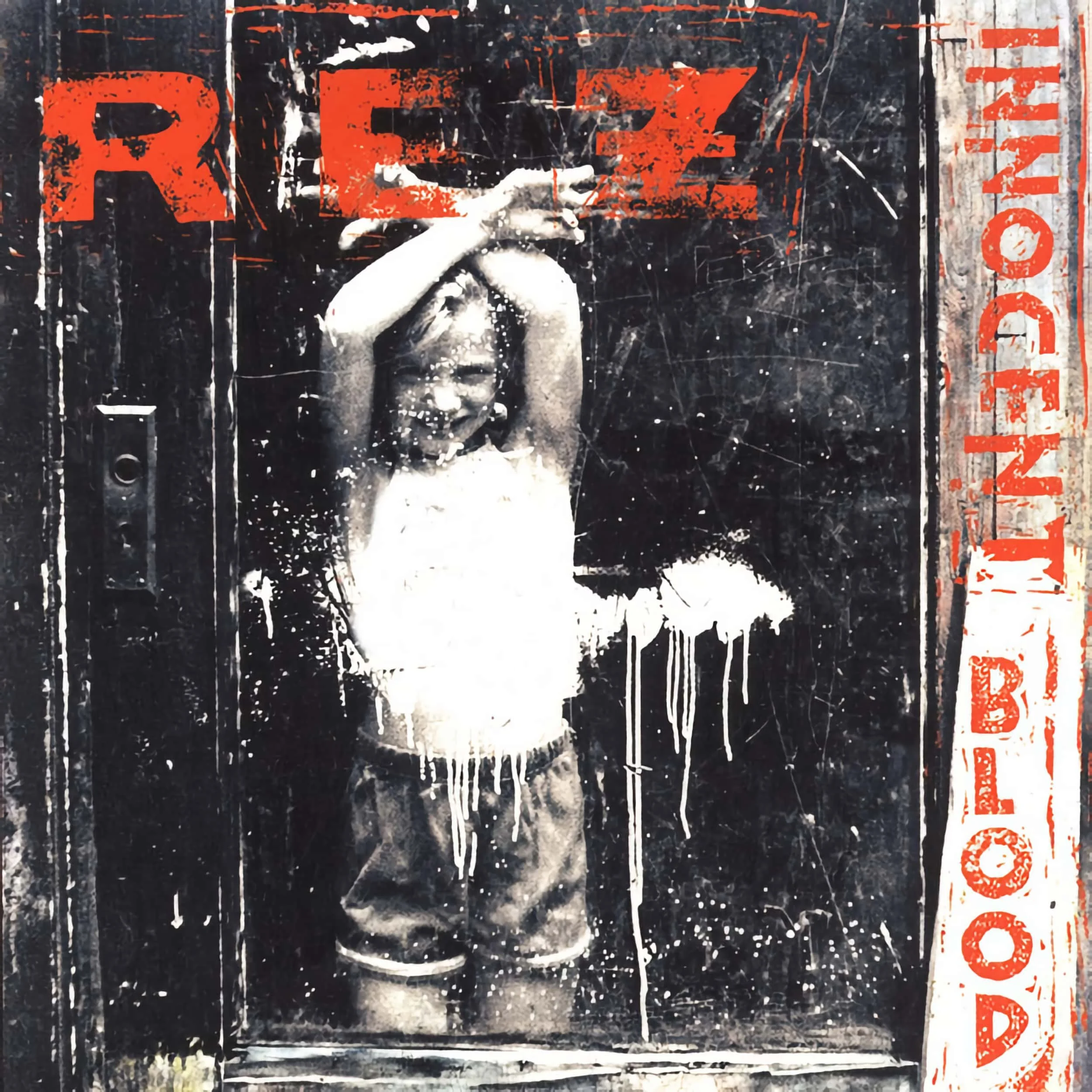
While it’s true that Christian rock generally has a focus on positivity, the cover art adorning this exceptional album tells a different story entirely. According to the band, in the CD booklet liner notes, the girl featured on the cover, named Trish, was abducted and sadly never found, despite the knowledge that she had become a victim of a pedophile network. It isn’t easy to comprehend, for the girl on the cover is full of life and happiness, yet it’s an admirable memorial. It should also be noted that the original album artwork is slightly different on CD and Spotify; when compared directly to Apple Music. Apple Music’s edition seems to censor the artwork more than originally intended. While I don’t disagree with that approach, the 2023 CD reissue maintains the original artwork which I feel doesn’t require additional censorship.

As it pertains to the sonic presentation of Innocent Blood, you’ll likely be pleased as the recording, mix, and mastering have been done beautifully for the style of music. The result is that you’ll find yourself immersed in a three-dimensional soundstage that requires no tweaking to sound its best. So, dear reader, sit back, relax, and take a listen to this hidden gem.

Rooster Crow is a short and sweet album opener that sets the tone for the entire record with its blues-focused approach.

Altar Of Pain kicks things up a notch, yet offers a superb transition from Rooster Crow. The riff is off-the-charts and Glenn Kaiser’s vocals are simply stunning and are amongst some of the very best in hard rock music history. Whichever way you look at it, Alter Of Pain is intense, with powerful guitar solos, exceptional vocals, and a driving rhythm that will see you rocking along as the song plays.

The House Is On Fire has so much energy that you’ll feel the song reaches right into your soul and not let go until the very last note has been played. Wendi Kaiser’s vocal performance is perfect for this tune and she can certainly belt out some incredible lyrics, but it’s also the energetic guitar work and overall rhythm that makes The House Is On Fire so memorable.

80,000 Underground continues the rebellious mid-paced rhythm and is reminiscent of AC/DC; a compliment for 80,000 Underground is an exceptional tune.

Fiend Or Foul slows the tempo a little but the compelling rhythmic nature that has been prevalent so far is maintained. Wendi Kaiser is, once again, perfectly suited to the song and for those of us who adore the bass guitar, you’ll be pleased with Roy Montroy’s solid bass performance for it remains prominent throughout the mix. Similarly, the guitar solo again highlights the talent of Stu Heiss for each solo benefits the song rather than detracts from it. Fiend Or Foul is, subsequently and most certainly, a hidden gem and one of the best songs on the album.

Where Roses Grow rings out like a Gary Moore blues-based masterpiece. Exceptional!

Right On Time is synth 80s 101 with some magical vocals and a compelling musical bed that’s perfectly suited to the era.

Child Of The Blues is, as you may expect, a blues-based number with a masterful arrangement. Glenn Kaiser’s vocal dexterity here is magnificent, but it’s the culmination of all elements that makes this bluesy rock song a hidden gem.

Laughing Man returns us to a hard rock pace. Despite encouraging you to toe-tap and head-bop along, Laughing Man is one song that you’ll not seek out on its own. Still, it’s a solid album-only number that enhances the record.

Bargain is a cover of The Who’s classic; a fine one at that. While it pays homage to the original and contains all the energy and spirit you’d expect from the Resurrection Band, I’d still consider The Who’s original to be the standard that has yet to be surpassed.

Great God In Heaven is, arguably, a perfect closer for a Christian rock band that’s anthemic and creates a sense of grandeur and reverence. Most importantly, however, it allows for reflection and encourages the listener to play the album again for Innocent Blood deserves to be heard more than once.

Overall, Innocent Blood is a testament to the Resurrection Band's ability to blend blues-based rock and roll with deep, meaningful lyrics. Each track offers a unique perspective, from reflections on personal faith to broader social issues, but it’s the band's musicianship and vocal performances that are consistently strong throughout the album, making it a compelling and thought-provoking listen.

Queen – The Miracle (Album Review)

Queen – The Miracle (Album Review)

Released in 1989, Queen’s thirteenth studio album, The Miracle, is a remarkable, significant, and memorable musical achievement. Recorded during a period of personal trauma, for both Brian May and Freddie Mercury, the built-up angst was reappropriated superbly with creative energy that will captivate you from the very first note to the last. Featuring a blend of rock, pop, and operatic influences, The Miracle is one of Queen’s greatest records and is a landmark release from the era.

While the music is, naturally, the most important aspect, the cover art for The Miracle is interesting. While I neither love nor hate it, it’s compelling to look at while the album is playing. I’d love to offer a reason as to why I find it captivating, but words somewhat escape me for it’s far from Queen’s best album artwork, yet it is strangely perfectly suited to the band.

Moving our attention to the sonic qualities of the album, as one might expect, the recording, mix, and mastering of The Miracle is beyond reproach. However, not all editions are created equal, despite the same core remastering. For instance, the vinyl edition from the Queen Studio Collection is nothing short of perfection with a warm, detailed, and enveloping sound. The CD release is equally impressive but lacks the tonal warmth that is a trademark of vinyl records. Whereas, the lossless Apple Music stream, an Apple Digital Master, sounds a little concealed and somewhat muffled by comparison. It isn’t fatiguing to listen to and remains thoroughly enjoyable, but the presentation isn’t as bold as it, arguably, could be.

Party is a fun high-energy tune that sets the tone for the music to come. With its dynamic guitar riffs and lively vocals, it may be short, but it flows quickly into Khashoggi’s Ship.

Khashoggi’s Ship continues the vibrant energy with a fast-paced rock sound, but the jolt between the opening song and this one can take a moment for the senses to adjust to. As the song progresses, it becomes apparent that this is an album-only number that is unlikely to be memorable. Still, for an album to be exceptional, all songs need not be a hit. With that in mind, Khashoggi’s Ship holds the album together as we head towards the title track.

The Miracle is a multi-layered masterpiece that is characterised by lush harmonies and a sweeping melody that combine to create an anthemic feel. It’s, subsequently, a perfect title track and while repeat plays can cause this incredible tune to become a little fatiguing, due to the chosen vocal style, there is little doubt as to why it has become such a popular tune amongst fans.

I Want It All is a powerful rock anthem and one of the very best hard rock songs Queen ever recorded. Featuring a memorable guitar solo by Brian May, and assertive vocals by Mercury, I Want It All is impossible to not sing along to for it’s an unforgettable Queen classic.

The Invisible Man sounds as if it was leftover from Queen’s Flash Gordon soundtrack. Despite that, The Invisible Man, with its quirky and innovative sound, showcases Queen’s ability to blend rock with a touch of funk and pop. The result is a catchy synth-driven tune with a unique charm that will appeal to just about anyone.

Breakthru is an uplifting and dynamic track that starts with a gentle vocal intro before transitioning into a driving rock rhythm. With its energetic tempo, infectious chorus, and blend of synthetic and electric guitar elements, Breakthru creates a sense of urgency and excitement that makes it one of the more compelling tunes from the album.

Rain Must Fall adds a touch of Caribbean influence to the album, with its laid-back rhythm and breezy melody. It’s most certainly an album-only tune and while it could be said that it isn’t the strongest song from the record, it surprisingly doesn’t feel out of place. Featuring a smooth blend of percussion, gentle guitar riffs and an associated solo, along with Mercury’s soothing vocals, you’ll be in a relaxed state to appreciate the hidden gem of the album; Scandal.

Scandal is utterly brilliant and is not only one of the best songs that Queen ever recorded, but it’s one of the best songs from the 80s. That said, you won't find it on any compilation release, most likely due to its lacklustre chart performance when released as a single. Nevertheless, the riff and rhythm are off-the-charts and it’s impossible to sit still while this unforgettable tune is playing.

My Baby Does Me has a smooth, laid-back, rhythm with some lovely bass tracking and some thoroughly enjoyable guitar licks. It’s an album-only tune, yes, but one that works extremely well within the tracking of the record.

Was It All Worth It is an incredible closer; one that will compel you to play the album again. Initially, things start on a gentler note, but the moment May’s riff comes into the mix, you know you’re in for a treat as the multi-layered production makes it thoroughly pleasing to listen to.

Ultimately, The Miracle is one of the greatest albums Queen ever released and stands as a powerful testament to the band’s enduring spirit and musical ingenuity, despite periods of personal struggle. While every song may not be a hit, each track showcases a different facet of Queen’s versatility. From Freddie Mercury's charismatic presence to Brian May's masterful guitar work, along with Roger Taylor's dynamic drumming and John Deacon's solid bass lines, The Miracle offers a cohesive yet varied musical journey that has remained timeless and is one of the greatest albums released in the late 80s.