The Cold Stares – Voices (Album Review)

The Cold Stares – Voices (Album Review)

The blues with a healthy dose of rock and roll has never sounded so good. 

Released on the 10th of March 2023, Voices is the sixth studio album from the American rock band The Cold Stares and will stun those of you who appreciate blues-based rock and roll for the Indiana based rockers have recorded a modern masterpiece.  

Recorded, mixed, and mastered with kid gloves, Voices is one of the best albums you’re likely to hear in 2023 and is, without a doubt, one of the finest blues-based rock releases this reviewer has ever had the pleasure of hearing. There’s no extraneous musical interplay for every aspect is perfectly considered and even though the original lineup, up until this release, was presented as a duo with Chris Tapp (guitar/vocals) and Brian Mullins (drums) handling all musical aspects, the inclusion of bassist Bryce Klueh has added yet another dimension to their already exceptional blues-based rock style and sound signature. 

Voices is subsequently their greatest creative endeavour and while I wouldn’t have ever thought that the band needed a dedicated bassist, based on the fullness of their previous releases, the addition only further amplifies their music.  

Sonically, the Lossless Apple Music Stream is absolutely stunning. You’ll get that classic blues meets country meets rock vibe and you’ll find yourself constantly wanting to turn the volume up for music, especially in the modern era, is rarely produced so well. Yes, it’s a little louder than what may be considered ideal, but not obnoxiously so as the loudness is designed to merely bring it in line with other modern music mastering levels but at no time does that detract from the wondrous enveloping soundstage.

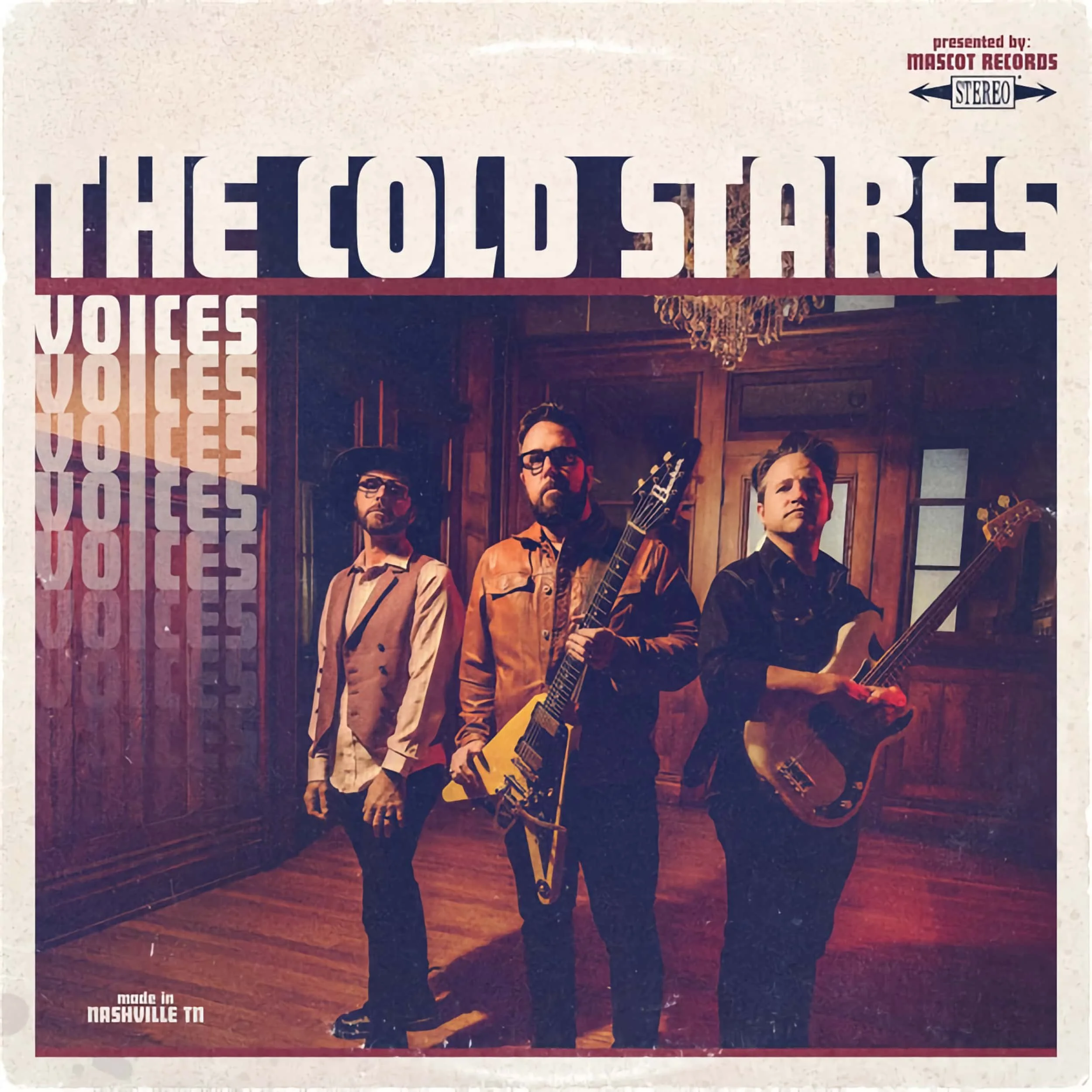
Adding to the sound of the record is the appealing cover art design. I don’t know about you, dear reader, but I love it when artists create modern record covers that hark back to those of yesteryear, particularly from the vinyl era. Granted, it doesn’t work for all styles of music, but it works for Voices and while I’ve yet to pick up a copy on vinyl, this is one album that would stand out on the larger canvas. 

Nothing But The Blues, from the very first note, sets the tone for the entire album; a fantastic opener!

Come For Me has a little Eric Clapton influence, particularly from his classic cover of Cocaine. That correlation, intentional or otherwise, is a compliment, for the groove and guitar licks of both songs are infectious.

The Joy shifts the tone a little and for a moment I was taken back to the 90s as Soundgarden and Stone Temple Pilots were ringing in my ears due to the level of distortion used on The Joy. Joyous is one way, albeit a lazy way, to describe The Joy for its internal shifts are thoroughly enjoyable and that guitar solo is off the charts. 

Lights Out picks up the tempo and has a greater focus on rock elements throughout. It’s like Led Zeppelin meets Deep Purple with a blues twist. Magnificent!

Got No Right is a fun little tune with a correlation that could be made to The Doors’ Roadhouse Blues. As much as I enjoy it, however, I feel it could have had a bolder focus on the guitar as it could have been a standout track had a grinding guitar element been added to this mix. Yes, I acknowledge the short solo, but it deserved more prominence throughout. While Got No Right wasn’t ever going to be a standout song on Voices, as an album track, it works perfectly in the chosen sequencing. 

Sorry I Was Late is a sonic masterpiece and is the best song from Voices. Music such as this reminds me why I’m so passionate about music for it makes you stop, listen, and become captivated by the tale that is being presented audibly. Sorry I Was Late is one of those songs that has to be heard firsthand for there really isn’t an adequate word, or series of words, that can describe the feeling one gets from listening to such an exceptional song. 

Voices is a great toe-tapping head-bopping title track. Unlike Got No Right, Voices has the bolder guitar element that I wish the aforementioned track had. Subsequently, if you’re not grooving along to this tune, you’re listening wrong. 

Waiting For The Rain Again flows perfectly from Voices and has a killer guitar lick. Sometimes that is all that’s required for music to speak to you and while I’m not a music lover particularly focused on listening to and interpreting lyrics, instead choosing to listen to vocals as an instrument in the mix, it’s songs like this that have the perfect mix of all elements that allow me to intersperse the occasional lyric into my own thought process. 

Sinnerman has a great low-fi sound that amplifies the song to heights that would have been missing without it. I am, however, glad that it was used as a technique and not applied to the entire album for its more monotonous tone works exceptionally well here, but would likely have detracted from the album experience should it have been overused. This is one aspect that allows me to appreciate The Cold Stares even more in that they’re not afraid to use a recording style but to use it sparingly and only to amplify the music.  

Throw That Stone is akin to Sorry I Was Late in that it is sonically and musically impressive. I’d comment further, but it’s time to sit back and simply enjoy the song. 

It’s Heavy picks up the tempo with a rocking tune. I love these shifts and the chosen sequencing was done brilliantly as the flow, and space between songs, don’t cause a jolt to the senses meaning that you can go from the more mellow, Throw That Stone, to the much weightier, It’s Heavy, and not skip a beat. 

Thinking About Leaving Again is more of the same, you know, the good stuff! Despite diversity throughout, it could be said that much of The Cold Stares’ music seamlessly blends so well because it is so similar to the rest of the music within their catalogue. I wouldn’t fundamentally disagree for knowing what to expect offers a level of assurance that is arguably more important than an artistic tangent.  

The Ghost is a beautiful closer. It slows the tempo down to a contemplative pace while simultaneously encouraging repeat listens of the album. However, it is that slow and continuous build that is the highlight here for you get a sense that the song could go into a blues-rock number but, instead, it remains very low-key and delicately ends without additional fanfare; perfect!

From start to finish you’re not going to find a tighter blues-based rock and roll album to sink yourself into. Yes, there are numerous classic albums that could be referenced, but The Cold Stares have written and recorded such an incredible album that I truly believe it is a landmark release and one that already has classic album status written all over it. You may disagree, and that’s your prerogative, but Voices is not only one of the very best albums from 2023, but one of the best albums ever recorded in all of music history; it’s that good!  

Bob Marley & The Wailers – Legend: The Best of Bob Marley & The Wailers (Compilation Album Review)

Comment

Bob Marley & The Wailers – Legend: The Best of Bob Marley & The Wailers (Compilation Album Review)

While Bob Marley’s catalogue is full of songs, many not featured on this release, that are worthy of inclusion on a best of compilation, Legend: The Best of Bob Marley & The Wailers is true to its namesake as this masterful collection showcases Marley's immense talent as a songwriter and performer, as well as his revolutionary message of love, unity, and social justice. It’s also accurate to say that Legend is one of the greatest and most influential albums in the history of reggae music as each track is a classic of the genre in its own right. 

Originally released in 1984, various editions of this compilation have been released with varied track listings across different versions. However, since 2002, the core reissues have remained largely the same, beside Legend: Remixed from 2013, so unless you’re a completist that is after each release of a particular album, you’ll experience the same cohesive edition that most of us have come to love regardless of which version you decide to listen to. 

As it pertains to the sonic quality of the Hi-Res Lossless Apple Music stream, an Apple Digital Master, it’s solid. Yes, I acknowledge that’s a little nondescript but the essence of the music is admirably presented, yet it doesn’t necessarily knock my socks off. There aren’t any issues with the stream, but there simultaneously isn’t much to celebrate either. I had been fortunate to have owned the visually stunning 30th Anniversary Edition tri-color double vinyl release, and while that version was a little more smooth and relaxed, it suffered from inner groove distortion that detracted from the entire experience.

There is, however, one aspect that is notable with regard to the streamed offering and that is the inclusion of the Dolby Atmos version alongside the stereo mix on Apple Music. Due to the nature of surround mixes, when done well, they should envelop you in the music and potentially have a fuller sound than the stereo mix. While that doesn’t always happen, that isn’t the case with this particular release for when listening to Legend via Dolby Atmos it is more immersive than the stereo counterpart. 

It isn’t perfect, however, as the bass is a little too prominent thereby resulting in a muddier low end. It’s so close to perfect and if it were not for that aspect, I’d be championing the Atmos mix. Subsequently, the standard Hi-Res Lossless stereo mix on Apple Music remains my preferred version. Of course, that isn't to say that that will be your preferred edition, so I encourage you to listen to both and see which you enjoy for your preferences may, and likely will be, different to my own. 

Is This Love was a fantastic choice for the first track of the compilation as it highlights the key sound signature that we recognise as belonging to the reggae genre. It has a simple yet intricate beat that when combined with the vocals and overall tonality will get your body moving.  

No Woman, No Cry (Live At The Lyceum, London, 1975) is a lovely song, but I do question if the inclusion of a live recording, on a compilation, was the best decision. Yes, it’s a fantastic performance but in my mind compilation albums are best served when the album or single edit is utilised. Thankfully the live audience component isn’t too distracting, but I still feel it would have been best had this particular tune remained on the Bob Marley & The Wailers Live! album. 

Counter to the above perspective, I do acknowledge that the original studio recording isn’t as strong, from a performance standpoint, as the live recording. Perhaps it is best to say, upon further reflection, that I’m glad we have both editions even if neither is 100% perfect; a shame considering it’s such a magnificent tune.

Could You Be Loved has an incredibly addictive beat and I dare you to remain still while this song is playing. Yes, that could be said about all reggae music, as the genre encourages uninhibited movements, but I have also heard many reggae artists that don’t have the same resounding effect that Marley & The Wailers did. I truly believe it was Marley’s inclusion of rock and roll elements that assisted in their unique sound signature.  

Three Little Birds is a sonic shift and is a little more melodic, in direct comparison to Could You Be Loved, but I love it. Three Little Birds is one of those sing-a-long style songs that have such a positive chorus that I’ve no doubt many parents have sung the chorus to their children over the years.

Buffalo Soldier follows perfectly from the pace of Three Little Birds. While I acknowledge that this is a compilation album, and therefore not always as fluid as studio releases, I find that the song selection and sequencing on this release are perfect.

Get Up, Stand Up is certainly motivational, from a societal perspective, but I find that I’m conflicted with regard to the tempo of the song as I feel it’s too slow. Regardless, it’s an incredible song.

Stir It Up has a smooth, groovy, mid-tempo rhythm, that is utterly intoxicating.

Easy Skanking is exquisite. The tempo is perfect, as are the backing vocals. There are times when backing vocals become a distraction, but in this case, they work so well that I couldn’t imagine the song without them.

One Love / People Get Ready is another of Marley’s simple, yet complex and feel-good songs that deliver a powerful message of unity and love for all people, regardless of race, religion, or background.

I Shot The Sheriff is one of the greatest songs Marley & The Wailers ever recorded. The small shift between the verse and the chorus is particularly appealing as the halt suggests the song will prematurely end, yet it keeps you on the hook. However, unlike Easy Skanking, I’m not convinced the backing vocals are necessary throughout the chorus. Yes, the song wouldn’t be the same without them, but the higher pitch causes distraction due to the contrast with Marley’s more mellow vocal presentation.   

Waiting In Vain is a lovely ballad, but isn’t a song that I’d seek out on its own. That’s a shame when I think about it, as it’s an exceptional tune and a highlight of Marley’s career. It just isn’t as memorable as many of the other songs featured on Legend

Redemption Song is about as acoustic as Marley gets. That isn’t a bad thing as both the guitar twang and vocal delivery are simply gorgeous. 

Satisfy My Soul is a pleasing, and thoroughly enjoyable, love song with a smooth reggae groove.

Exodus is energetic and the brass instrumentation is off-the-charts. The mix has been compiled with delicate hands and the horns, thankfully, don't overtake the song. Exodus is a textbook example of every musical element being perfectly positioned in the mix. Magnificent!

Jamming is a joyful, upbeat tune with a catchy melody. Sometimes that is all that’s needed.

Punky Reggae Party (12” Version) closes the compilation with elements of all other tunes that have come before it. It isn’t my favourite song, as I feel the chorus is a little overworked, but it does encourage me to listen to the record again and play more albums from Marley & The Wailers; Kaya, anyone?

As far as compilations go, it doesn’t get much better than Legend: The Best of Bob Marley & The Wailers, for it presents their very best works in such a way that this reggae release is easily accessible, for all music lovers, and keeps the uniqueness of reggae music alive within the social consciousness for newer generations to experience and carry, henceforth, into the future. 

Comment

Leo Sayer – Leo Sayer (Self-Titled Album Review)

Leo Sayer – Leo Sayer (Self-Titled Album Review)

Released in 1978, Leo Sayer’s self-titled album, his sixth studio recording, is a timeless classic that showcases the singer’s vocal prowess and musical talents. With its blend of pop, rock, and disco, this album offers a diverse range of musical styles that are guaranteed to captivate listeners from start to finish.

Captivation naturally begins with the album artwork and while it isn’t the most noteworthy, or inspirational, of Sayer’s career, it stands out from the crowd as the minimal design draws your eye directly to the typeface and Sayer’s portrait. In the modern era, it’s easy to overlook album artwork but in 1978, when the predominant music format was the vinyl record, it was often as essential as the music was for sometimes the first encounter of an artist would be the cover design that you’d see each time you visited your local record store. 

Of course, for a record to be considered a classic album, as I consider this, the music and sonic reproduction have to be compelling. In this case, Sayer’s self-titled release is stunning. Presented as a lossless CD counterpart, via Apple Music, some may argue that there is room for improvement given that it isn’t presented as a Hi-Res Lossless Apple Digital Master. I, however, wouldn’t agree with that perspective for whoever undertook the mastering of this release got it right. There are no glaring omissions or elements that I feel need addressing. Subsequently, a remaster simply isn’t required and has the potential to further degrade the quality of the recording by succumbing to loudness demands. Sometimes it is best to leave well enough alone and simply enjoy the music. 

Stormy Weather opens the album with a catchy pop-rock tune that sets the tone for what’s to come. Sayer's soulful vocal shines as he extends every note right to the edge of his range as he sings about life’s ups and downs, accompanied by incredible instrumentation and infectious melodies. 

Dancing The Night Away, an Amazing Rhythm Aces cover, is a fantastic tune and is far superior to the original with its groovy basslines and funky guitar riffs. That’s perhaps one of the greatest aspects of Sayer in that while he’s recorded many covers, he always manages to extract the soul of the song, put his own spin on it, and match, or in this case surpass, the original.

I Can’t Stop Loving You (Though I Try) is a beautiful heartfelt ballad that showcases Sayer’s evocative vocals and is one of the highlights of this self-titled release. 

Phil Collins recorded the song for his 2002 album, Testify, but unless you’re a fan, it isn’t worth your time as it’s a second-rate interpretation at best. While I appreciate artists covering music they enjoy, if they can’t match or beat the original, I’d prefer they refrain from recording it in the first place. 

La Booga Rooga is a cover of Andy Fairweather Low’s 1975 original, an exceptional recording in its own right, but Sayer removes some of the blues elements and replaces them with an addictive up-tempo pop-rock technique that is perfectly suited to his style and the era. As to which is better, well it all comes down to personal taste and while I thoroughly enjoy both renditions, my preferred is Sayers; likely as it was his version I’ve always been more familiar with and the fact that his energetic vocal performance adds to the song’s overall charm, making it a joy to listen to. 

Raining In My Heart is a Buddy Holly cover and just like La Booga Rooga, I appreciate both interpretations, for different reasons. If I’m in the mood for the sound of the 50s, or Buddy Holly in general, then his version is superior. As part of Sayer’s self-titled album, however, Raining In My Heart is a masterful recording that complements Holly’s original while simultaneously ensuring this classic tune has a modernised feel; one with a combination of country-folk and pop-rock styles. Regardless of your preferred version, you simply can’t go wrong with a song as incredible as Raining In My Heart. 

Further to that, may I suggest you also check out the versions by Anne Murray and The Dave Clarke Five for they too are exceptional interpretations.

Something Fine, a Jackson Browne cover, is a beautiful interpretation that is very close to the style of Browne’s original recording. Both are so good that I can’t pick a preferred version. That’s actually a good thing as Sayer’s interpretation takes nothing away from the original. 

Running To My Freedom sounds a little dated, compared to the other songs on this self-titled release, but it’s a lovely classic rock tune with a catchy melody that will appeal to many.

Frankie Lee is a great upbeat song. There’s just enough of a rock edge to be considered a rocking good tune and the instrumentation throughout is the perfect accompaniment to Sayer’s vocal.

Don’t Look Away is another upbeat tune with Sayer’s signature pop-rock-infused styling. The instrumentation on this track is of particular note, with a driving rhythm section, pulsing keyboards, and fiery guitar riffs all coming together to create a rich and dynamic sonic landscape. Without a doubt, Don’t Look Away is a hidden gem and is one of the best songs Sayer ever recorded. 

No Looking Back is a beautifully crafted song that showcases Sayer's considerable talents as both a songwriter and performer. It is somewhat reminiscent, in style, of Elton John’s classic era with its piano and symphonic backing, but more importantly, it closes out the album just as closing tunes should whereby they allow for contemplation as well as compelling the listener to play the album again. 

In conclusion, 1978 was a year that yielded an incredible range of music, from all genres and artists, and Leo Sayer’s self-titled release is no exception for it’s a masterpiece that has stood the test of time and remains to this day a landmark release of the 70s. 

Gerry Rafferty – City to City (Album Review)

Gerry Rafferty – City to City (Album Review)

Released in 1978, Gerry Rafferty’s second solo studio album, City To City, is a classic release that showcases the singer-songwriter's distinctive vocal and skillful songwriting. With a perfect blend of pop, rock, and folk, City To City is not only a timeless record but is amongst the best of Rafferty’s career. 

Sonically, the lossless Apple Music stream is thoroughly enjoyable but does it require a remaster? I don’t feel it does as every musical element is beautifully represented and heard within the soundstage. The simple fact is that there aren’t any glaring issues. Yes, a little more focus on the mid to low end of the spectrum would be nice, but adding a little bass to your EQ settings fixes that dilemma. 

That all said, a vinyl reissue, released in February 2023, is getting rave reviews. Given the mastering quality that is normally forthcoming from Miles Showell and Abbey Road Studios, I feel compelled to order a copy, particularly considering the exceptional artwork demands the larger canvas that only vinyl can accommodate. My only hesitation is that it is pressed across three sides with the fourth being an etched design. This isn’t uncommon for Showell's half-speed master releases, as he aims for the highest sonic quality, but given the original edition was pressed to a single LP, it would have been nice had this been replicated as flipping record sides does get a little tiresome, regardless of the sonic benefits. 

Additionally, given I thoroughly enjoy the lossless Apple Music Stream, sometimes it’s important to be satisfied with the version we currently have access to, particularly if we find it pleasurable, rather than constantly looking for a better version that may or may not appeal to us.  

The Ark opens the album with a beautiful mellow folk tune that builds into a slow soft rock number before returning to its roots. It’s magnificent, with a dreamy chorus, and sets the tone for the entire album.

Baker Street is the most well-known song from City To City and Rafferty’s career. That distinctive saxophone solo, courtesy of Raphael Ravenscroft, is where the magic truly happens for as exceptional as the song is, it wouldn’t be a landmark release if it had not been for that introductory solo that reappears throughout. Of course, that shouldn’t detract from the other aspects of the song, particularly the guitar solo, that are just as noteworthy. Ultimately, Baker Street is so perfect that it very well could be a textbook example of how to write and record music. Incredible!

Right Down The Line has a Clapton feel to it but besides that correlation, Right Down The Line is a great tune and one that, similarly to Barker Street, was well received upon release. The only disappointing element is that the fade-out comes in a little too early and is too brief. Some may not mind that, but I find that it detracts from an otherwise perfect tune. 

While I’d love to hear Eric Clapton cover Right Down The Line, Bonnie Raitt’s version, from Slipstream, is a lovely modern interpretation; although the original is hard to beat.

City To City has corny components, particularly thanks to the use of the harmonica and other atmospheric elements such as the train-inspired sounds, but its arrangement is so thoroughly enjoyable that I can’t help but appreciate this title track. 

Stealin’ Time slows down the album with a bluesy guitar riff accompanying Rafferty’s soulful vocals. It’s such an incredible tune and is a core reason why City To City, as an album, is essential for all music lovers. 

Mattie's Rag has a Beatles’ influence and while some may lament that aspect, the Fab Four did forever change music and the subsequent complementary tip of the hat should be taken as a gesture of respect. That aside, Mattie's Rag is a fun little tune that works well with not only Rafferty’s style but within the context of the album itself. 

Whatever’s Written In Your Heart is pure musical bliss. Rafferty’s vocal is magnificently performed and the harmonious backing vocal is the perfect addition to the mix; an otherwise simple composition that ensures the focus is on the song’s lyrical context. Whatever’s Written In Your Heart is another of those hidden gems that we love here at Subjective Sounds for it is music such as this that reminds us why we love the music we do. 

Home And Dry is the perfect album track. It isn’t a standout and you’re unlikely to be drawn to it outside of the album structure, but it’s so good. It’s songs such as Home And Dry that require no fanfare but take an album from a collection of haphazardly collected songs to the coveted album experience. 

Island is another solid album tune that’s simply lovely. As you may have already ascertained, sometimes that is all that’s needed for every song doesn’t need to be a hit. 

Waiting For The Day is a high-energy bookend to City To City and I couldn’t imagine a better song from Rafferty’s catalogue to close the album with as it encourages repeat plays. While the uptempo styling is fantastic, it’s the slower elements throughout that ensure Waiting For The Day is memorable as it gives the senses a chance to breathe and appreciate the music. 

From start to finish, City To City is flawless. While it’s Rafferty’s greatest musical achievement, it is also amongst the greatest albums released in the 70s and is, without doubt, one of the very best releases from 1978; an incredible year for music. 

England Dan & John Ford Coley – Some Things Don't Come Easy (Album Review)

England Dan & John Ford Coley – Some Things Don't Come Easy (Album Review)

When you think of classic albums, England Dan & John Ford Coley’s Some Things Don't Come Easy probably doesn’t spring to mind, but this 1978 release, their sixth studio album, is a musical masterpiece that showcases the duo's extraordinary musical skills. With a mix of soft rock, pop, and country, the 11 tunes featured present a delightful listening experience that captures the essence of the music scene in the 70s.

Speaking of capturing the soul of a recording, Some Things Don't Come Easy was recorded, mixed, and mastered with kid gloves. While the album has never been remastered, to my knowledge, the lossless Apple Music stream is simply magnificent. It’s flawless and thoroughly enjoyable and I wouldn’t want a single aspect to be changed; well perhaps a slight recess in the brass elements on songs such as Calling For You Again. Nevertheless, your thoughts may differ, but the stream is one of those examples whereby there is plenty of latitude that allows for the tweaking to one’s tastes via EQ settings.  

Some Things Don’t Come Easy is an exceptional opening ballad that showcases the duo's vocal range and emotional depth. It sets the tone for the entire album and is worthy of the title track. The song's lyrics express the difficulty and pain of love, one we can all relate to, thereby, creating a poignant and touching listening experience.

If The World Ran Out Of Love is a sensational followup to Some Things Don’t Come Easy as the slow ballad, easy listening, style is acoustically marvellous. It’s one of those songs that you’ll likely find yourself pausing, in awe, for the soundstage that emanates is intoxicating. There is little doubt in my mind that If The World Ran Out Of Love is one of the greatest hidden gems of the 70s. 

You Can’t Dance is an upbeat number that shifts the tempo of the album. With its catchy pop-rock melody that is accentuated by the duo's trademark harmonies, and backing vocals, there’ll be fans of You Can’t Dance. I’m not one of them as I feel it is too far removed from the other songs on the album, but Some Things Don't Come Easy wouldn’t be the same without this tune. 

Who’s Lonely Now features a beautiful and melancholic melody, perfectly complemented by the duo's soulful harmonies. It’s a standout track that reminds me somewhat of the overarching style on Crosby, Stills & Nash’s CSN, but that is a compliment as I adore that album. If nothing else, Who’s Lonely Now will resonate with anyone who has experienced the pain of a broken heart; that’s all of us, right?

Hold Me features a beautiful and soulful melody that makes it one of the best songs on the album and one of the greatest that England Dan & John Ford Coley ever recorded; magnificent!

We’ll Never Have To Say Goodbye Again is a trademark tune and for good reason, as it appeals to those of us who appreciate touching and sentimental ballads. The ability for one to connect with the music they love is incredibly powerful and while some will lament the cliché aspect of love songs, there is no denying that they’re timeless.

Lovin’ Somebody On A Rainy Night has an Eagles’ feel to it that perfectly suits Dan and Coley’s style. I wouldn’t, however, consider it the strongest song on the album as it’s more filler than standout and you’re subsequently unlikely to seek it out, outside of the album format. 

Beyond The Tears returns us to a gentle and melancholic melody that I feel is better suited to the duo as it permits them to do what they do best; convey deep emotions and vulnerability through their music. 

Calling For You Again is a shock to the senses following the laidback style of Beyond The Tears. Nevertheless, once the addition of the brass component has settled down in my mind, Calling For You Again is a solid energetic tune. The only quibble I have is that I feel the saxophone element could have been dialled back a little as I find it to be too forward in the mix.

Wanting You Desperately is a heartfelt and emotional tune with soulful harmonies and lush instrumentation that creates a powerful and emotional atmosphere.  

Just The Two Of Us is one of the most beautiful and romantic ballads you’re ever likely to come across. It’s also the perfect closer as it encourages contemplation and the thought of playing the album again. Its simple yet effective arrangement, along with the duo's tender harmonies, creates a warm and intimate atmosphere that further showcases the duo’s ability to convey heartfelt sentiment and genuine emotion through their music.

Overall, Some Things Don't Come Easy is one of those albums that is tragically overlooked for its beautiful melodies, insightful lyrics, and impeccable vocal harmonies ensure this album remains a timeless classic that continues to resonate with listeners to this day. 

The Moody Blues – Octave (Album Review)

The Moody Blues – Octave (Album Review)

Released in 1978, Octave is the ninth studio album from The Moody Blues and dare I say one of their greatest, if not their greatest release. Certainly, that perspective is heavily based on subjectivity, for Octave isn’t often at the top of everyone’s list, but when music sounds this good, it is difficult to overlook.

While I can’t speak for anyone else, the probable culprit, besides the lengthy hiatus between releases, of Octave’s less-than-stellar acceptance amongst fans, likely has more to do with the slight shift in style when compared directly with their previous works. For instance, Octave relies far more heavily on synthesised elements but to ignore the release on that aspect alone appears very shortsighted. Admittedly, when we find an artist that we thoroughly enjoy, we want more of the same. However, is it not better to appreciate one, or a small selection of albums, than to feel dejected by an album that doesn’t match up to our subjective expectations?

Much of The Moody Blues music, including this release, is a sonic journey that has to be experienced firsthand to be fully appreciated. Octave, subsequently, is a hidden gem that deserves another listen if you’ve previously ignored the release. It was also the last album The Moody Blues would record with longtime producer Tony Clarke and while producers aren’t always given their dues, their influence bleeds into the work. Yes, the core of The Moody Blues would persist, post-Octave, but their newer works were somewhat different and, in my opinion, not as appealing. 

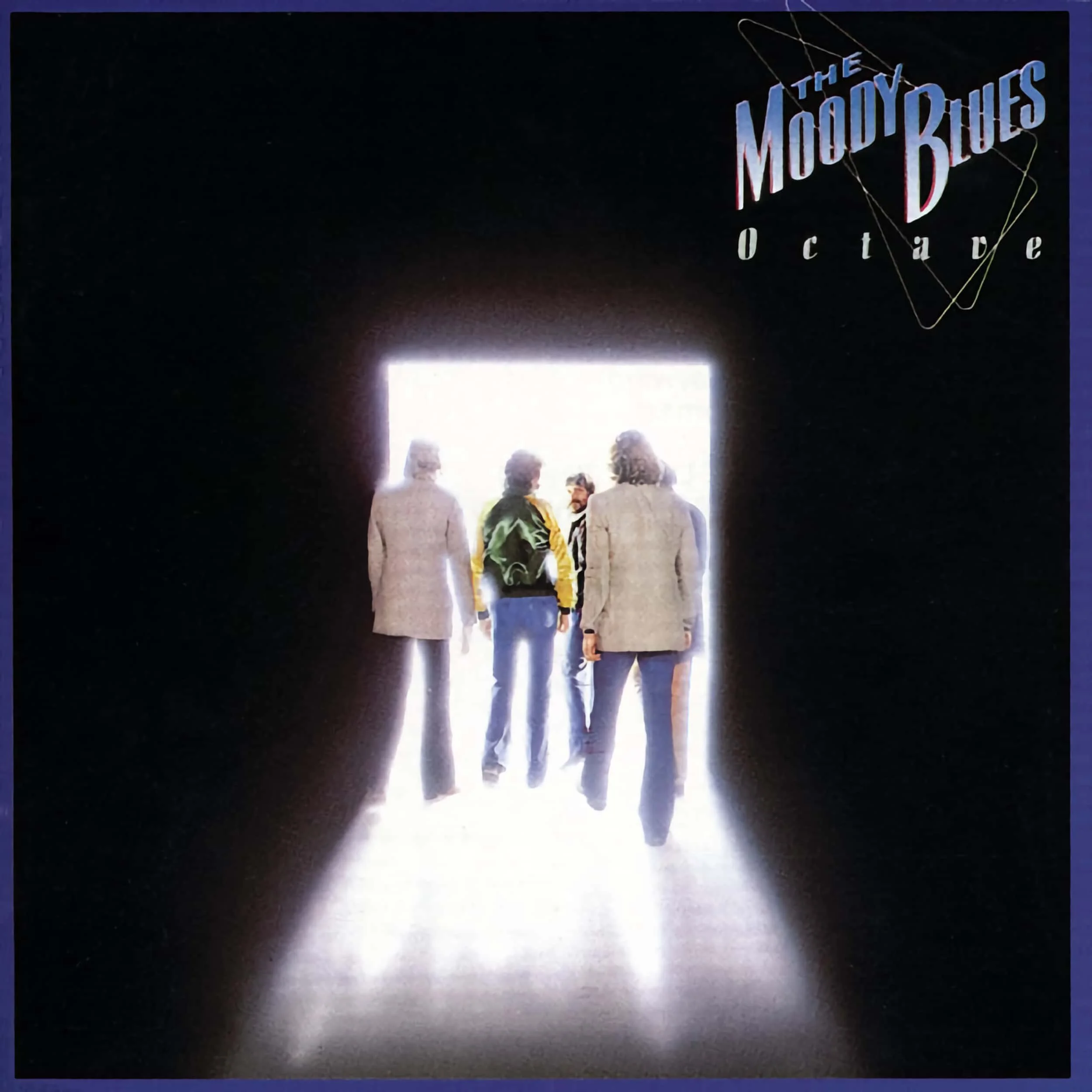
As it pertains to album artwork, I also consider Octave to be the best from The Moody Blues’ entire catalogue and that’s saying something for they’ve always had well-designed artistic album covers. This one, however, done by the legendary John Kosh, is as captivating as the music is. The doorway to somewhere else concept is hardly new, but it hasn’t aged and is still as vinyl canvas-worthy today as it was upon its initial release. 

When listening to modern releases, or remastered reissues, we usually experience a loud reproduction of the music contained within. That isn’t the case with the Lossless Apple Music stream. While not presented as a Hi-Res Lossless stream, or an Apple Digital Master, the mastering, on this particular release, allows the listener to turn the volume up to their preferred setting. Subsequently, you’ll be met with a full-bodied sound that is thoroughly enjoyable. Could it be better? Perhaps, and there are examples such as when listening to Top Rank Suite where I’d love to hear the brass elements come alive a little more, but it’s a minor quibble and doesn’t detract from the overall experience of the album. It’s also possible that that aspect could be corrected in the mix rather than mastering stages. 

Delving deeper, I note that the Expanded Edition has the 2008 publishing trademark whereas the standard version is listed as 1978. It’s incredibly frustrating when this happens and I do wish that the record label and Apple Music would offer a more detailed explanation of which edition is derived from which master because both versions are noticeably different. They’re both lovely, in their own right, but you’ll find that you prefer one over the other and it would simply be nice to know more details about a particular release. 

I prefer the standard edition, as will be shown below, as I feel it’s more luscious and dare I say more analogue with a warm and enveloping sound signature. That said, give both a listen and see which you prefer as I can’t tell you which is better (a terrible metric, by any standards) as they both have their pluses and minuses. Additionally, while I’m not overly keen on bonus songs, the Expanded Edition does contain five additional live tracks that may be of interest to you.

Steppin’ In A Slide Zone has a slow atmospheric build with a killer guitar intro and riff throughout. Once the energetic styling of the song enters the mix, it becomes a classic rock tune and sets the tone for the entire album; a great opener. 

Under Moonshine is, by comparison, more mellow with a style more reminiscent of The Moody Blues’ earlier recordings with a delicate lead vocal, dreamy harmonies, and symphonic elements that take you on a musical journey. 

Had To Fall In Love is one of the very best ballads I have ever heard. Yes, dear reader, I love a good ballad and the soulful vocal performance, melded with the musical backing, is utterly perfect making Had To Fall In Love one of The Moody Blues’ greatest recordings and one of the best ballads from the 70s. Magnificent!

I’ll Be Level With You is a raw rocker with an upbeat styling that while considerably different to Had To Fall In Love, becomes a value-added tune within the context of the album. While you’re unlikely to seek out I’ll Be Level With You on its own, Octave wouldn’t be the same without it. Plus, the guitar work and solo towards the end are thoroughly enjoyable and always encourage me to get out my air guitar. 

Driftwood is a beautiful ballad. 

Top Rank Suite, and its upbeat rhythm and jazz styling, is addictively good. No, it isn’t the greatest song on Octave, and may well be considered the weakest track on the album, but the light-hearted musical styling makes this one fun song to listen to. 

I’m Your Man has a mellow blues-based styling but as good as the musical elements are, it’s the smooth vocal that ensures I’m Your Man is a standout track. 

Survival is hypnotic, symphonic, and captivating. A hidden gem? I truly believe so, but I’d go one step further and declare it a trademark tune and a timeless classic recording.

One Step Into The Light is another standout track with a beautiful melody and lush instrumentation. 

The Day We Meet Again is the perfect closer to an exceptional album. It’s simply incredible and is a sonic pleasure for the ears. While ballads are certainly a trademark of The Moody Blues, this one leaves you both in a contemplative mood as well as being interested in spinning the album again. Such a song is a rarity but when they exist, it results in a cohesive album experience; one worthy of The Moody Blues. 

Overall, Octave is an exceptional addition to The Moody Blues' discography, featuring a mix of upbeat rockers and moving ballads. While some may lament various elements of Octave, it’s clear that the band were at the top of their game with each member contributing their own unique talents to the mix and direction of this 1978 masterpiece. 

Katy Perry – Prism (Album Review)

2 Comments

Katy Perry – Prism (Album Review)

Prism, Katy Perry’s fourth studio album, and her third within the mainstream popular music genre, is full of electrifying dance-pop rhythms, infectious hooks, and catchy melodies. Add to that her meaningful lyrics and you’ve got a truly captivating album that’s a landmark release of the pop music genre. 

While it would be easy to assume that Perry reached her creative peak, following the exceptional Teenage Dream, Perry didn’t sit on her laurels instead choosing to head back to the studio just over two years later to record an album with a somewhat more serious tone; one that also showcased artistic growth. 

What didn’t increase, however, is the dynamic range of Perry’s recording. Prism is mastered, as many modern recordings are, too loud. That doesn’t mean that it doesn’t sound good, or that you won’t be drawn into the music, but it does mean you’re more likely to experience fatigue and may find yourself turning the volume down. 

Despite that, I find that the lossless Apple Music stream, an Apple Digital Master, manages to smooth out the presentation of the album just enough that it can be turned up to moderate levels without hearing distracting artifacts.

Alongside the stereo mix of Prism, on Apple Music, is a Dolby Atmos stream that is not only thoroughly enjoyable but more immersive than the stereo edition. You’ll be met with more depth and an overall bolder soundstage and the presentation isn’t so different to the original stereo mix that you’ll wonder if it is the same album; an issue that plagues many surround mixes when they are created post-album release.

While some may wonder if you can still appreciate the stereo mix, following listening to the album in surround sound, the answer to that is an unequivocal yes. That is because the surround mix is complementary; ensuring that the core of the album remains intact while simultaneously adding nothing to the mix that wasn’t already there. 

Roar was the lead single from Prism, but while this mid-tempo power pop tune is empowering, it isn’t the greatest song from the album. Like many instant hits, the more you listen to it the more it loses its lustre. It’s as if the substance of the song is merely surface deep and perhaps that is all a pop song needs, but I do question if Roar will ultimately be timeless. 

Controversially, you may also wish to check out Sara Bareilles' Brave, from her album The Blessed Unrest, as there’s quite an interesting correlation between the two songs. 

Legendary Lovers has a fantastic Middle Eastern-inspired rhythm that will infuse itself with your soul. The combination of styles, with pop influences, is masterful and Legendary Lovers quickly becomes one of the best tunes from Prism

Birthday is cringeworthy! 

Okay, so its upbeat styling will appeal to many but it's too cliché to be taken seriously. Of course, that is probably the point of the song and perhaps I’m simply listening incorrectly and not allowing myself to groove out and have a good time. 

Nah, it’s just not my kinda song!

Walking On Air has a dance-pop groove that will light up any dance floor. While there’s already a fair bit of vocal processing applied, I can’t help but wonder what the results of turning Autotune to its highest settings would have had on the song. It may well have ruined it, but I have a feeling it would have been even more sonically impressive than it already is.

Unconditionally is a stunning power ballad that showcases Perry’s vocal prowess. While the verses are a slow build, that soaring chorus draws you in and becomes not only one of the best songs from the album but one of Perry’s greatest musical achievements. 

Dark Horse (feat. Juicy J) is a mashup of styles but its edginess, combined with the hypnotic intensity, ensures that Dark Horse is a standout recording. The collaboration with Juicy J was also well-chosen as there isn’t another rapper that I feel would have been better suited.

Interestingly, and in another case of appropriation by Perry et al, Flame lodged a copyright claim that Dark Horse was derived from his song Joyful Noise, from the 2008 album Our World Redeemed. The court concluded that this was indeed the case and damages were awarded.

Having listened to Joyful Noise, there is no doubt in my mind that elements were borrowed and while I appreciate both songs, this is one case whereby if Perry et al had officially credited Flame, as a co-writer, legal action wouldn’t have been required after the fact. Of course, it can be argued that the borrowed elements were utilised unintentionally, for music tends to get stuck in our feeble human minds, but that still doesn’t constitute innocence as it relates to copyright laws. 

This Is How We Do flows perfectly from Dark Horse, primarily because of a similar memorable infectious dance-pop rhythm. However, This Is How We Do is much more upbeat, thereby making it a perfect musical contrast to the previous tune. While you’ll likely seek This Is How We Do out on its own, for it’s that good, this is one example that showcases the importance of album sequencing as when done well it ensures the album experience remains paramount. 

International Smile is a fun little tune but the chorus is incredibly trite.

Ghost is another exceptional mid-tempo ballad; arguably a Perry trademark thereby making Ghost one of the best tunes on the album.

Love Me is toe-tapping head-bopping bliss. Perry’s vocal delivery here is particularly appealing and while Love Me was never going to set the charts on fire, it’s a thoroughly compelling upbeat pop tune with a great message for those of you who appreciate lyrical interpretation; particularly lyrics that are empowering. 

This Moment has a pop-disco vibe that I can easily get behind. In many respects, This Moment is the song that is most likely to be compared to Firework, for it has a similar sonic styling despite being a little more laid back by comparison.

Double Rainbow is a lovely romantic tune.

By The Grace Of God is a beautiful closing tune that’s filled with emotions; some of which are more sombre than those heard throughout Prism. Yet, despite this, By The Grace Of God encourages listeners to play the album again. However, as much as I appreciate the verses and the bridge, the chorus is a little over-produced as I feel it would have been stronger had there been fewer musical elements brought into the mix. 

While some will forever peg Perry as nothing more than bubblegum pop, Prism showcases artistic maturity that goes beyond the disposable aspect as this album is not only one of the best released in 2013 but is one of Perry’s greatest musical achievements. 

2 Comments