Viewing entries in
'70s

The Cars – The Cars (Self-Titled Album Review)

The Cars – The Cars (Self-Titled Album Review)

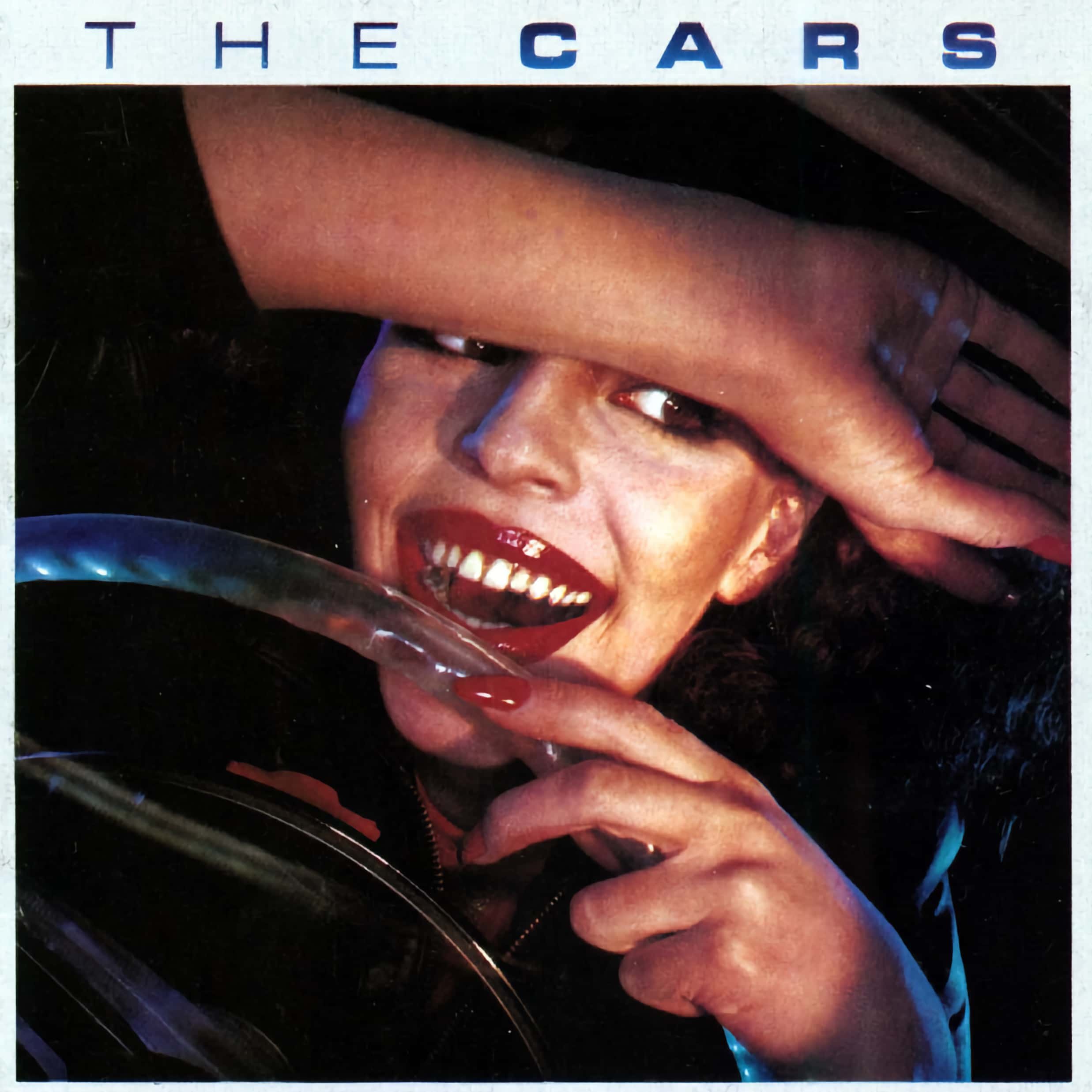
1978 was an exceptional year for music and no more is that true than when looking at The Cars’ self-titled debut. Recorded in February of the same year, The Cars would ultimately be released on June 6th and was an immediate success amongst critics and music lovers. While it lacked a Top 10 position on the charts, The Cars has continued to sell throughout the preceding decades; so well that it has exceeded 6 million shipped units. Granted, it has been reissued ad nauseam and that has contributed to its sales success, but when an album is this good, akin to a compilation release celebrating an artist’s legacy, on their first outing, it is a record that you really need to sit up and take notice of, for The Cars is the epitome of new wave, pop rock, and power pop genres. 

One recurring element keeps showing up when looking at successful debut bands. The majority of the time these bands have sharpened their skills as live performers well before entering the studio. The Cars are no exception, in this regard, and it shows when listening to this debut for they are a cohesive unit. I mention this more for posterity than any other reason as live performances prior to a recording contract, or the recording of an album, seems to be increasingly rare in the modern era and I can’t help but wonder if this is one reason why the music from the 60s to the 90s, from a band perspective, have remained so synonymous with classic album status.

Seriously, and maybe I’m living under a rock, but can you name a single debut release, from a band (particularly in the rock genre) that was released post-Millennium that is a landmark release? There has to be one, surely, just none come to mind as I write this. Regardless, when you look at the pre-Cars era, for all band members, combined with the live refinement of their sound, there is little doubt as to why The Cars has remained such a notable release. 

One of the most appealing aspects of The Cars is that the sound, while firmly planted in the 70s, is unique for the musicality is a culmination that extended beyond mere instruments and musicians. Yes, the synthetic aspects are as important to the compositions as the core unadulterated instrumentation is. Yet, despite the implementation of new techniques and associated technology, it wasn’t taken too far as to detract from the songs themselves. Roy Thomas Baker, in the production chair, certainly ensured this aspect remained in check but engineers, Geoff Workman and Nigel Walker, should similarly be acknowledged for contributing to a marvellous sonic experience that has neither dated nor feels contrived. 

Sonically, the (Hi-Res) Lossless Apple Music Stream, an Apple Digital Master, sounds respectable even if it’s a little concealed. It’s as if there’s a thin sheet that’s been placed over your speakers. Yes, early recordings can have this quality about them, and I admit to having no additional edition to compare to, but it just doesn’t sound as dynamic and bombastic as I believe it should. Don’t get me wrong, there are no major flaws to note, and it is enjoyable, but the way it sounds on Apple Music makes me want to seek out various well-regarded physical counterparts to compare to the stream. 

One example that stands out the most is on I’m In Touch With Your World. It’s a sonic masterpiece but the separation between sonic elements, combined with a shallow soundstage, means that the atmospheric styling isn't as spectacular as I believe it should be. Naturally, one of the challenging aspects is that streaming services, such as Apple Music, rarely state the particular master that was used. This is particularly poor considering Apple touts its own Apple Digital Master program but, of course, this wouldn’t be an issue had the album never been remastered time and time again. 

Visually, while Nataliya Medvedeva is sadly no longer with us, her grace on the cover will forever ensconce her in the social consciousness and while it shouldn’t detract from her other creative endeavours, there is little doubt that this is her most notable. Plus, it’s just a great cover, released at a time when cover art, on the large vinyl canvas, reigned supreme. How I miss those days when the artwork was done so well that it would sell you on the music well before you had a chance to hear it. Yes, cover art still exists today, but as with the polish of their sound on this debut, compared to modern counterparts, I similarly can’t recall many album covers in the last few years that have truly stood out from the crowd.

Good Times Roll not only magnificently launched The Cars with its memorable rhythm and guitar licks, but it’s a killer tune with incredible layering techniques, particularly with regard to the vocal harmony. One must remember that this was pre-digital editing capabilities and was as much about skill as it was about pushing the limits of the available technology. Good Times Roll was also the third single that, despite charting, never rose to the top of the charts. A shame considering it’s such an addictive tune. Nevertheless, it has remained a fan favourite and a mainstay in the band’s back catalogue since its release. 

My Best Friend’s Girl, the second single from The Cars, failed to set the charts on fire, outside of the UK where it peaked at #3, but whoever was Ric Ocasek’s best friend must have been worried when the lead vocalist and guitarist penned this classic. Not only is this tune synonymous with The Cars, but it contains one of the greatest lyrics ever penned in the history of recorded music:

"She's my best friend's girl, but she used to be mine.” – Ric Ocasek, The Cars

My Best Friend’s Girl is perfectly suited to The Cars and this debut, but the sonic style has a 60s feel to it and you could subsequently be forgiven for assuming it was released earlier than 1978.  

Just What I Needed was the first single from this self-titled debut and is the first song to  feature bassist, Benjamin Orr, on vocals. While the multi-vocalist approach was extremely common within bands throughout the 60s and 70s, I couldn’t imagine Ocasek singing this tune even though he wrote it. This is an excellent example of where the chosen vocalist best suits the song and Orr’s vocal is the perfect driver along with the rhythm and those killer guitar licks. 

I’m In Touch With Your World is one of the most visual songs you can imagine as Greg Hawkes (keyboards and percussion) paints each and every sonic element into the mix. As mentioned earlier, however, this is one song where I feel the digital stream lets it down for it should be much more immersive than it is. Regardless, what an incredible piece of musical art! 

Don’t Cha Stop has a catchy rhythm and chorus and while it isn’t necessarily a standout, something is compelling about Don’t Cha Stop that makes it perfect for its placement in the album’s structure. All songs on an album don’t have to immediately standout and Don’t Cha Stop is one of those tunes that grow on you, particularly once the chorus kicks in. Plus, there’s a great guitar solo (albeit in the background) to be heard on this tune.

You’re All I’ve Got Tonight is moody; I love it! There’s most certainly a Skyhooks vibe going on here, particularly with the guitar tuning and associated licks. Intentional, or not, I simply adore this style of rock music as it is always uniquely fresh and doesn’t feel at all dated to the era. 

Bye Bye Love is a great tune that keeps the album flowing. It’s also one of the few songs in that I prefer the verse to the chorus. This is most likely due to the repetitive and simple nature of the chorus, but that is a subjective element and to be honest, the entire song is compelling. 

Moving In Stereo is the greatest tune on this self-titled debut and I can’t fathom why it wasn’t released as a single. It has the late 70s vibe written all over it and I don’t know about you, dear reader, but I believe it would have been a chart-topper. 

All Mixed Up segues beautifully from Moving In Stereo and, in some ways, can be seen as an extension of the previous song. All Mixed Up as a standalone track, however, is simply stunning. It’s a perfect bookend closer to a flawless album. 

From start to finish, The Cars is an exceptional debut that has absolutely no filler. With a modest runtime of 35 minutes, there aren’t any superfluous recordings added to the album to simply fill up the available space on the record. The adage of sometimes less is more certainly rings true, with this release, and while The Cars would go on to unveil other exceptional albums, such as Candy-O and Heartbeat City, this self-titled debut can be seen as their most cohesive body of work. 

The Jacksons – Destiny (Album Review)

The Jacksons – Destiny (Album Review)

Destiny is aptly named, for the Jackson 5, sans Jermaine, found creative freedom with their move to Epic Records. As their third album on the new label, Destiny cemented their legacy and is without a doubt their strongest and most enjoyable record. The song selection, musicality, and production values make Destiny not only a landmark disco-pop album, but an incredible example of the merging of electronic, funk, and soul. 

While it’s easy to dismiss the importance of album artwork, in the modern era where streaming reigns supreme, Destiny was released during the heyday of the vinyl era and Gary Meyer’s painting would have certainly stood out from the crowd. While I’ve never been fortunate to own a copy on vinyl, I’ve appreciated the CD reissues and have found myself staring into the album artwork for the entire length of the album as it can transport you to another realm. 

Disappointingly, when Destiny was reissued in 2021, there was no physical release for either the original album or the Expanded Version. Subsequently, the only releases that were made available were to streaming services and digital stores such as iTunes. While you may not be fussed by this omission of the physical formats, The Jacksons’ prior albums on Epic Records (The Jacksons [Self-Titled] and Goin’ Places) were both reissued beautifully on vinyl in 2018. Hence, for collectors such as myself, it’s a disappointing blow as I was hoping that these releases would mark a broader reissue campaign. 

Aside from lamenting the absence of reissues from physical releases, I’ve got to admit that the lossless Apple Music Stream, an Apple Digital Master, is sonically exquisite. It has a full analogue-styled sound signature that requires no EQ adjustments to sound its very best. To say that it’s a pleasure to listen to is an understatement for I took a listen to the CD version (EK 35552) and it pales in comparison. Yes, the CD is crystal clear, but it is too clinical, resulting in a more fatiguing listen as well as lacking the mid to low-end oomph that these songs deserve. Unfortunately, there’s little detail available regarding this specific edition for the aforementioned catalogue number has been used on various releases. Either way, it’s one of those budget reissues that were advertised under the hype sticker of “The Nice Price” and one can’t help but wonder if a less-than-optimal master was used in the manufacturing process. 

Yet, my 90s edition CD, the 1991 Australian reissue with a red jewel case tray (468875 2) offered a much more pleasurable experience; from memory. It too was a budget release, under the Red Hot series from CBS Records, but was reproduced at DADC Austria; a highly reputable CD production plant throughout the 80s and 90s. No, dear reader, I haven’t gotten that confused for despite it being an Australian release, the disc itself was the European edition. If my research is correct it was released in Europe under the EPIC Records catalogue number: 468875 2; the same catalogue number as the Australian release despite a different artwork/liner notes presentation. 

Disappointingly, however, these budget releases also botched the liner note reproduction. Yes, this is a common aspect amongst price-restricted reissues and while the Red Hot edition from the 90s lacked any form of liner notes, everything is replicated on “The Nice Price” release, except for the back cover art featuring the peacock design and a statement from Jackie and Michael that concluded with one of the most important and moving declarations I’ve seen on an album:

"Through the ages, the peacock has been honored and praised for its attractive, illustrious beauty. Of all the bird family, the peacock is the only bird that integrates all colors into one, and displays this radiance of fire only when in love. We, like the peacock, try to integrate all races into one through the love of music.”

This isn’t, nor should it be seen, as an artist's declaration designed to placate and influence fans, for it’s true. The Jacksons’ music, love it or loathe it, reaches everyone. In fact, I’ll take it one step further and declare that not only The Jacksons, but music in general, is universal.

Returning to the mastering woes, there is then little wonder why so many go in search of nirvana for not all releases are created equal. While the Apple Digital Master further complicates the situation, despite its perfect sound, I find that it simultaneously simplifies matters for comparing masterings, on various formats, is a chore that rarely yields greater enjoyment of the music itself. With that in mind, join me as I take a look at the songs that make up Destiny; the original album tracking rather than the Expanded Version

Blame It On The Boogie is so synonymous with The Jacksons’ uptempo sound, one could be forgiven for assuming that it had been written by The Jacksons. In actual fact, Blame It On The Boogie was written by the English singer/songwriter Mick Jackson, his brother Dave Jackson, and Elmar Krohn. Of course, when you look at the songwriting credits and you see M. Jackson, you naturally assume that is a reference to either Michael or Marlon but that isn’t the case here. It’s an interesting case of mistaken identity but one which made music history. As enjoyable as Mick Jackson’s original is, the additional sparkle of The Jacksons’ rendition takes the song up a notch and ensures that it goes beyond its funk/soul roots by ensuring you’ll want to get on the dance floor. 

The music video is fantastic and was revolutionary for the era, but you’ll feel like you’ve taken some magic mushrooms when watching it. Yes, upon reflection, the trailing image technique is overdone, but I can only imagine how well it would have been received when shown on television in the late 70s. If nothing else, the visual elements played into the disco era and subsequently are perfectly suited to the music. 

Push Me Away shifts the tempo and should you have already been on your feet, you may wish to find your significant other and embrace each other as you move to the slow rhythm. Yes, the sonic shift is immediately noticeable, but I’ve found over the years that it is less of an issue as you get used to the chosen sequencing of the album. Additionally, Push Me Away is a lovely tune!

Things I Do For You has a jazz-funk feel to it and if you haven’t returned to your feet, you’ll likely be singing along to Things I Do For You as it's one of the best songs The Jacksons ever recorded. 

Shake Your Body (Down To The Ground) continues the funk vibe with a seamless transition while adding a touch of disco that ultimately gives the song its unique, and instantly recognisable, sound. While a group effort, this is Michael’s song as his lead vocal can be seen as a precursor to his style heard on Off The Wall. While Quincy Jones would add spit and polish to Michael’s sound, on his first solo outing on Epic Records, the production quality for Shake Your Body (Down To The Ground) is as good as anything Jones ever produced with Jackson. Yes, that may be controversial to some but Jones didn’t make Jackson any greater than he already was. He simply helped him to refine the sound and direction of his music. 

Destiny has a country twang to it and while you’d think there is no way this could follow the disco funk of Shake Your Body (Down To The Ground), you’d be mistaken. The multiple styles applied throughout the mix are extraordinary and just go to show that The Jacksons were more than capable of producing a masterpiece.

Bless His Soul is a lovely album tune. While you’re unlikely to seek it out on its own, Destiny wouldn’t be the same without Bless His Soul. 

All Night Dancin’ is a quirky little disco tune. It’s not bad, but I feel the tempo is a little too fast for the song. Any faster and we would have been listening to The Chipmunks! Joking aside, I can see what The Jacksons were trying to achieve, but it just doesn’t connect with my soul and I struggle to find a rhythm to connect to that would ultimately return me to the dance floor. Let’s just say, especially with regards to its length, it’s a little more filler than killer. 

That’s What You Get (For Being Polite), by comparison, is a little more up my alley and is a lovely song to close out the album with. It is both contemplative and encouraging thereby allowing you to decide to play the album again or further enjoy The Jacksons’ extensive catalogue of music.

With a runtime of 41-minutes, Destiny is concise and purposeful and while I don’t find a connection with All Night Dancin’, there’s little doubt in my mind that Destiny is not only one of the greatest albums to come out of the Jackson clan, but it’s one of the best albums released in 1978 and should be in every music lover’s collection. 

Willie Nelson – Stardust (Album Review)

Willie Nelson – Stardust (Album Review)

Prolific would be one way to describe Willie Nelson for few artists exhibit such an incredibly vast back catalogue of music. I often wonder, with such output, if it’s possible to proclaim a single album as a definitive release that is not only exceptional in its own right but is telling of an artist’s greater body of work. Yes, Stardust saw Nelson deliver music in a somewhat different style than he was renowned for, by that stage in his career, but the cross-genre approach was done remarkably well and is, in my opinion, Nelson’s greatest musical achievement. 

Released in 1978, Stardust was Nelson’s twenty-second studio album and was comprised of ten standards, encompassing music from folk, jazz, and pop genres, that made the album instantly marketable to audiences outside of his usual country music genre. Remarkably, Nelson’s vocal prowess showcased that he could be considered in the same light as Frank Sinatra, Ray Charles, and Bing Crosby. However, when comparing Nelson’s recordings to the greats of yesteryear, an interesting dichotomy presents itself for Nelson arguably performs many of these songs to a superior standard than those who came before. If nothing else, he matches their brilliance and while it isn’t unheard of, it’s exceptionally rare that an album of music can be so perfect as to know no peer. Well, Stardust is one such album.

It wasn’t only the music, however, that was striking for the cover art is gorgeous and works incredibly well with the music itself. Painted by Susanna Clark, the Pleiades constellation has never looked better. While the (Hi-Res) Lossless Apple Music stream, an Apple Digital Master, is sonically exquisite, I’ve got to get myself a copy on vinyl one day for I simply want to hold and display the artwork on a larger canvas. 

Stardust sets the tone for the album and the subtleness of the organ within the mix, with all other musical elements placed on top, is the epitome of good mixing for every musician is featured clearly within the mix while Nelson is front and centre. The adage that they don’t make music like this anymore certainly applies when listening to not only this song, but the entire album. 

Georgia On My Mind is so incredibly good that there’s no doubt in my mind as to why Nelson won the Grammy in 1979 for the Best Male Country Vocal Performance of this classic song. That said, one can’t forget how incredible the entire band is on the song. Mickey Raphael’s harmonica is certainly a highlight. Yet, interestingly, I can’t help but wonder if other songs from Stardust were more worthy of a Grammy award. Of course, if I had my way, Nelson would have taken out a Grammy for the entire record.

Blue Skies is one of my favourite tunes and is one of the best from the album. I’d even go as far as suggesting that it’s one of the greatest songs Nelson ever recorded, in his entire career. Sit back, relax, and toe-tap to this master recording. 

All Of Me has an old swing to it, and it should for the era from which it came, and while I’d suggest that as a song on its own, it isn’t that strong, I couldn’t imagine Stardust without it.

Unchained Melody is one of the greatest standards ever written and Nelson and the band have recorded one of the very best renditions I’ve ever heard. Magnificent!

September Song is nothing short of a musical masterpiece. Every aspect of the recording is utterly perfect; a statement that I’ve likely repeated for Stardust is a well-crafted piece of audible art.  

On The Sunny Side Of The Street is the ultimate toe-tapping head-bopping tune.   

Moonlight In Vermont showcases, as many of the songs do on Stardust just how magnificent Nelson is as a vocalist. While many fans will already acknowledge this fact, there’s something very special about his vocal performance on this album that I don’t feel necessarily works as well with his more traditional style. It’s as if he was always meant to record these songs. 

Don’t Get Around Much Anymore is a fun little tune and while there are countless examples of incredible recordings, Nelson’s is one of the best. The mix and mastering are incredible and the soundstage is so spacious that you’d swear you were in the room with the band as the song was being recorded. 

Someone To Watch Over Me is a beautiful song to close the album with. While additional releases throughout the years have extended the track listing to include bonus tracks, I’m incredibly grateful to Sony Music Entertainment for not adding those versions to Apple Music as I feel the original 10-track, 37-minute runtime, is perfect as it encourages me to play the album again. 

Part of the strength of Stardust is that Nelson wasn’t merely recording an album of covers, done in the same style as the originators, for Stardust may remind you of the classic recordings but make no mistake about it, Nelson, the band, and Booker T. Jones (in the production chair) made these songs their own and in many cases, if not all, I’d go as far as saying these renditions are superior to the originals. Either way, Stardust is a masterful album and one that should be in every music lover’s collection.

Bruce Springsteen – Darkness On The Edge Of Town (Album Review)

Bruce Springsteen – Darkness On The Edge Of Town (Album Review)

Darkness On The Edge Of Town, for me at least, is where the Bruce Springsteen story begins. Those of you who adore his earlier releases, particularly Born To Run, will vigorously refute that suggestion, but I find those records to be mediocre as they pertain to the album experience. Yes, those albums have exceptional songs that have stood the test of time but they aren’t nearly as cohesive and fluid as Darkness On The Edge Of Town; Springsteen’s fourth studio release. 

While Born To Run and Born In The U.S.A. may be Springsteen’s most striking and memorable albums, from an artwork perspective, the low-profile cover art of Darkness On The Edge Of Town offers a superb insight into the man minus the stardom. It’s also indicative of the era and upon reflection from within the current zeitgeist, I can’t help but see a simpler time. Of course, as is the case with all of Springsteen’s music, his lyrical messages are not as straightforward and will appeal to those who thoroughly enjoy interpreting lyrics.

While I’ve yet to pick up a vinyl edition of Darkness On The Edge Of Town, the lossless Apple Music Stream, an Apple Digital Master, is smooth and there’s no harshness to be heard in the treble range. The downside is that some may lament the slight reduction in clarity. As I tend to prefer a warmer sound, which often comes as a result of reducing the treble and boosting the bass slightly, this isn’t an issue for me. That said, the overall recording and mastering of the album is nothing short of extraordinary as you’ll feel the music in your bones as well as your soul. It’s as if Springsteen and the E Street Band are in the room with you, giving you a private performance. 

Badlands has a killer drum introduction, but sounds a little compressed in the soundstage; an aspect that isn’t an issue on any other song on Darkness On The Edge Of Town. A shame considering it’s a killer tune.

Adam Raised A Cain is an amazing, brilliant, sensational, blues-inspired rhythmically-charged song that I simply adore. Springsteen doesn’t get much better than this, does he? How I would have loved to have been a fly on the wall when they were recording this masterpiece. It honestly amazes me that it wasn’t released as a single. 

Something In The Night is stunningly beautiful. It’s such a delicate composition and is perfectly positioned in the album’s sequencing. The musicality is off-the-charts good and Springsteen’s drawling vocal is so perfectly suited that I couldn’t imagine anyone covering Something In The Night; although I would like to have heard Billy Joel cover it. That drum beat, along with Springsteen’s vocals, is a piece of musical history that I’d argue will never be repeated to such effect and impact ever again. 

Candy’s Room changes the tempo and I love Max Weinberg’s drumming on this track, plus the band is on fire. It’s furious, yet restrained, but ultimately sets the tone for the song with Springsteen’s poetical off-beat lyric delivery being the perfect accompaniment. 

Racing In The Street is a magnificent song that leaves me speechless each time I listen to it. 

The Promised Land is a great song, but after Racing In The Street, the stylistic shift is a jolt to the senses. That said, Darkness On The Edge Of Town was originally released on vinyl and The Promised Land was subsequently the first song on Side B so there’s no doubt that this aspect would have been considered when the tracking order was discussed. With that in mind, The Promised Land would have been the perfect opener for the second half of the album. 

Factory is a solid toe-tapper; a thoroughly enjoyable song! 

Streets Of Fire flows nicely from Factory and while it isn’t the strongest song on the album, Streets Of Fire would have to be one of the greatest filler tracks Springsteen ever recorded. 

Prove It All Night is sensational with its jazz, blues and rock influences. I love it!

Darkness On The Edge Of Town highlights not only the musicality of The E Street Band but Springsteen’s poetic delivery; superb!  

Darkness On The Edge Of Town, with a runtime of 43 minutes, is the perfect length ensuring that I never tire of it and can listen to the album on repeat countless times before moving on to Springsteen’s other recordings. On this particular release, Springsteen and The E Street Band were at the top of their game. If you’re trying to introduce someone to Bruce Springsteen, I don’t believe there is a better album that fully showcases what The Boss is all about.

Dire Straits – Dire Straits (Self-Titled Album Review)

Dire Straits – Dire Straits (Self-Titled Album Review)

Dire Straits, or more specifically Mark Knopfler, in the role of vocalist, lead guitarist, and writer, created a uniquely timeless sound that would resonate with music lovers the world over. Perhaps most surprising is just how polished this self-titled debut is. Granted it’s a little rough around the edges, but few artists have such an initial outing; one that can still be celebrated and appreciated decades later. 

Released in 1978, Dire Straits would catapult the British rock band to the top of the charts with memorable songs like Sultans Of Swing and Water Of Love. Of course, it wasn’t just the singles that would set this debut apart from the crowd, but the entire body of work that is as close to perfection as a debut possibly could be. Yes, Communiqué is a step up and while some declare it to be nothing more than a carbon copy of this debut, I find it to be less edgy with a smoother all-over presentation that sees the band evolve from this debut release. Still, Dire Straits, when not directly compared, is a masterpiece in its own right and is without a doubt one of Dire Straits’ greatest albums.

As it pertains to the sonic presentation of the recording, the lossless Apple Music stream is listed as remastered and therefore should be on par with the 1996 remastered CD edition; most likely the source of the stream. In any case, there’s no noticeable loss in fidelity as the stream sounds stunning with a complex, detailed, and atmospheric soundstage. 

When digital reproduction sounds this good, one must question just how much more sonic bliss can be attained from the original master recording. As with Dire Straits’ entire catalogue, it has been reissued ad nauseam and while I adore this debut release, I’ve yet to feel compelled to pick up one of the various vinyl editions. Yes, there will be those of you who question my dedication and love of Dire Straits following that admission, but when the music sounds right, it’s important that we listen to it, appreciate it, and stop looking for something that may or may not be quantifiably better. Seriously, the stream is so enjoyable that the only benefit of tracking down a vinyl copy is to attain the slightly warmer analogue sound that’s associated with the format.

Down To The Waterline captivates you from the very first note with some mystical guitar licks and some of the most beautiful atmospheric music you’re ever likely to hear. The mix is utterly brilliant with a level of immersion that will consume you as Down To The Waterline sets the tone for the entire album. 

Water Of Love is the perfect mixture of rock and folk-styled music. Imagine, if you will, a lazy sunny afternoon with a beverage and Dire Straits tickling the sonic senses. It’s a tranquil thought, isn’t it? 

Setting Me Up is one of the songs that doesn’t grab me on this debut release. The tempo is too fast, especially considering where it’s positioned in the album's sequencing. Additionally, the twang of the guitar, while suited to the song, causes a stylistic shift that detracts from the previous calmness of Water Of Love. 

Six Blade Knife would have been perfect following Water Of Love for its smoother, with a focus on humble rhythmic elements that will see you toe-tapping and head-bopping throughout. 

Southbound Again is incredibly groovy and sometimes, that is all that is needed. 

Sultans Of Swing is, without a doubt, a masterpiece. It’s akin to magic in a bottle and the musical interplay and guitar licks leave little wonder as to why it’s one of Straits’ most recognisable tunes. 

In The Gallery is where Knopfler’s vocal really shines as it is perfectly refined and toned for this style of song. Of course, In The Gallery also has some captivating guitar playing thereby making it one of the best songs on the album and one of Dire Straits’ most underrated songs. The mix is also of particular note here as it’s well-defined, three-dimensional, and enveloping thereby allowing every musical aspect to shine. 

Wild West End shifts the tone of the album and is one of the rawer-sounding songs on this self-titled debut. Yet, there’s something to appreciate here for it may sound like a demo but it’s this unassuming aspect that makes Wild West End a compelling listen. 

Lions is a solid performance that closes out Dire Straits nicely, but the introduction is a little too slow for my liking. Thankfully, once the song gets going, all is good but it remains an irritating aspect nonetheless. 

As far as overall enjoyment and flow are concerned, Dire Straits is up there with their greatest releases and is not only one of the best debut albums of all time but is one of the best albums from 1978. In my mind, it is only bested by their second album, Communiqué; thereby offering a double punch of magnificent rock music that still, to this day, offers a unique experience. Yes, dear reader, they don’t make music like this anymore; not even Mark Knopfler. 

ABBA – Voulez-Vous (Album Review)

ABBA – Voulez-Vous (Album Review)

Not disco per se, yet ABBA, and Voulez-Vous, will get you on the dance floor. Released in 1979, ABBA's sixth studio album, Voulez-Vous, rose to the top of the charts with a solid line-up of songs including Voulez-Vous, Angel Eyes, and Does Your Mother Know as well as a few added extras not on the original LP such as the epic and trendsetting Gimme! Gimme! Gimme! (A Man After Midnight). There’s much to appreciate with Voulez-Vous but it is the additional tracks, available via the digital versions, that ensure the album is greater than the sum of its parts. 

One part that has always amused and bemused me, for I can’t help but see the Star Wars influence, is the album cover for Voulez-Vous. Charles Mingus Palm, in the excellent Bright Lights, Dark Shadows: The Real Story Of ABBA, stated the sleeve designer, Rune Söderqvist, wasn’t completely satisfied with the group posing as elegant night-clubbers and subsequently took the design to industry-leading retouching specialists to add some sparkle to the artwork. Well, add it they did for Benny (looking a little like Chewbacca in a tux) is holding what looks like a lightsaber while Bjorn is the spitting image of Luke Skywalker. Thankfully, Frida and Agnetha were looking radiant as usual but the Voulez-Vous cover art does make one question what were they thinking.

While this review, and the subsequent track listing, is focused on the Bonus Track Version, available on Apple Music, I’m also fortunate to own The Studio Albums vinyl boxset. Despite being presented as an Apple Digital Master, the Apple Music stream pales in comparison to the sonic quality of those 2020 vinyl pressings. Usually, Apple Digital Masters are exceptional, but Voulez-Vous has a thin sound that lacks the emotion heard on the vinyl counterpart. Granted, it’s a detailed presentation in that you’ll hear all aspects of the music but in this instance, the vinyl reissue simply sounds right whereas the stream often comes across as too shrill and clinical, especially at higher volumes. The lack of tonal warmth results in a fatiguing listen that can be corrected by EQ adjustments, but such user interaction is not required for the vinyl counterpart.  

Of course, the biggest drawback of the vinyl edition is that the non-album tracks are not included. The 2022 Vinyl Album Box Set, however, addresses that omission with a bonus LP titled ABBA Tracks but I’m not interested in purchasing yet another ABBA reissue. Once bitten, twice shy? Perhaps, but it is the constant re-issuing, and purposely holding back, of back catalog material that dissuades music lovers, for it ceases to be enjoyable when the aim is to resell us the same music over and over again.

As Good As New opens Voulez-Vous with drive and energy that, if you’re not ready for it, will likely be a shock to the senses. While Agnetha’s lead vocals are solid, as is the musical and harmonious backing, there are times when I find As Good As New to be a little tiresome, particularly due to the song’s shrillness. Yes, it's typical of ABBA’s style but I do question if the tempo is a little too fast. Nevertheless, when you’re ready for an upbeat tune, As Good As New certainly fills the void. 

Voulez-Vous is a great song with exceptional rhythm and vocal harmonies. It’s also ABBA’s most disco-esque tune and will see you compelled to put on your dancing shoes and hit the dance floor. Voulez-Vous may well have a similar tempo to As Good As New, but the flow of the song is superior on this second track than on the album’s opener. 

The music video doesn’t quite live up to the vigour of the song, but if you’re after a clip that incorporates all aspects of this tune, then look no further than this classic release.

I Have A Dream slows things down a little with a song that has a unique twang set against an elegant smoothness. It may not be the first song you think of, when ABBA pops into your mind, but there’s no denying the appreciation one receives from listening to this song. Frida’s lead vocal is heavenly and arguably one of her very best and the chorale backing is sensational. An incredible, and underrated, ABBA tune!

Angel Eyes is one of those songs that will compel you to sing along to the chorus. Yet, it is almost guaranteed that you won’t sing the verses. Nevertheless, it’s a fun little tune and perfectly suited to ABBA. 

The King Has Lost His Crown, like many of the songs from Voulez-Vous, sounds dated to the era and while that isn’t a bad thing, for nostalgia can be just as enjoyable as a modern-sounding record, it will have its detractors. Nevertheless, as part of the album flow, The King Has Lost His Crown is not only masterful in its tracking but the purposeful rhythm, particularly concerning the vocal delivery, is incredible and leaves you wanting more. 

Does Your Mother Know is a great rhythmic song and is ABBA's greatest rock-influenced tune. Björn’s lead vocals are incredible and perfectly suited to the song as it frees up Frida and Agnetha to form the harmonious backbone of the song.

The music video was recorded at the same time as Voulez-Vous, meaning the disco vibe is ever present. Despite that, it works extraordinarily well and is a value-added component for fans of the song. 

If It Wasn’t For The Nights is, not unlike As Good As New, a little shrill at times, especially with regard to the chosen vocal mix and musicality. That said, it’s such a good song that unless I’m tired, or simply not in the mood, I find myself adoring If It Wasn’t For The Nights. It is far more palatable, however, on the aforementioned vinyl counterpart as the Apple Music stream needs a little rounding in the treble range to sound its best. 

Chiquitita is a beautiful song that reminds me of Cassandra; another exceptional ABBA ballad! The upbeat approach to the chorus is different, and is perfect for Chiquitita, but both songs are exceptional catalogue tunes from our favourite Swedish band. 

The setting for the music video, however, is terrible. The snowman behind the band is utterly ridiculous and in many respects, a simple landscape, sans the snowman, would have been a far better option. That said, due to my own quirks, the out-of-place snowman brings a smile to my face every time I watch the clip, thereby making it somewhat memorable. 

Lovers (Live A Little Longer) has a quirky but appealing introduction with cues from their 1977 tune, Eagle. There’s also a slight disco feel to the song and while it may not get you on the dance floor, it’s perfectly suited to the era. The chorus, however, is awful! The shrillness is a jolt to the senses and detracts from the song itself. Throughout ABBA’s entire career, there have been very few notable missteps, but this is certainly one of them. 

Kisses Of Fire is much of the same, but where the shrill nature of Lovers (Live A Little Longer) is a little too present to ignore, it is mellowed on Kisses Of Fire, thereby permitting greater connection with the song. 

Summer Night City has a disco rhythm that will remind you of Grace Jones. What’s not to like? A fantastic tune! 

The music video is a standout as it pertains to ABBA’s music videos. It encompasses all elements of the disco era and is much more appealing than the other music videos from Voulez-Vous.  

Lovelight (Original Version) is one of the best songs from Voulez-Vous. It’s catchy with a level of fluidity that makes for a memorable listening experience. Brilliant!

Gimme! Gimme! Gimme! (A Man After Midnight) is pure gold. While originally a non-album single, instead being released as a new tune for ABBA’s Greatest Hits Vol. 2, Gimme! Gimme! Gimme! (A Man After Midnight) was an instant hit and is brilliantly sampled by Madonna on Hung Up while also being masterfully recorded in Spanish on ABBA’s Gracias por la Música. Cher’s version, however, isn’t great as it is overproduced; a shame considering there are moments that can be heard that indicate just how exceptional it could have been.

The music video for Gimme! Gimme! Gimme! (A Man After Midnight) is one that I’ve always appreciated. Yes, it’s a rather basic behind-the-scenes studio recording, but as someone who has always been fascinated with that aspect of music production, it’s a rewarding viewing experience. Yes, the song was worthy of something flashier, but the editing and camera angles ensure that it is perfectly suited to the song itself. Magnificent!

Overall, Voulez-Vous is a solid release with several memorable songs that are perfectly suited to the disco era. From a creative perspective, however, it pales in comparison to Arrival and The Album. It’s as if ABBA were chasing a sound and never quite cemented the overall theme of the album. Yes, the undercurrent of disco is ever-present but Voulez-Vous is still an album without a purpose. That said, we can still thoroughly enjoy it as it's amongst the greatest records released in 1979.

Michael Jackson – Off The Wall (Album Review)

Michael Jackson – Off The Wall (Album Review)

For many, Michael Jackson’s greatest release will always be Thriller, yet I consider that album to be his weakest, from a musical perspective, instead suggesting that Off The Wall is far superior, closely followed by Bad and Dangerous. Off The Wall is tight, purposefully fluid, and lacks filler. With disco vibes, funk, and soft rock influences, merged with some sensational pop styling, Off The Wall is not only one of Jackson’s greatest albums but is one of the best albums released in the 70s; particularly in 1979

Jackson’s first album with Quincy Jones in the production chair showcased just how far he could go as a solo artist with the right team behind him. Yes, his earlier solo Motown releases were thoroughly enjoyable, but they lacked Jackson’s opinions, for he was positioned to be the singer of other people’s songs rather than his own. No more is this relevant than on his 1975 album, Forever, Michael; a solid release of catalogue tunes but one that failed to capture the attention of the music-loving public. While Jackson and his brothers would move to Sony Music in 1976, and subsequently begin to write their own music, The Jacksons showed promise and released some of my favourite Jackson-family material, but going solo with Jones provided the singular focus and creative freedom that allowed Jackson to achieve superstardom, ultimately transforming himself into the King of Pop. 

Of course, it wasn’t merely these two men who should be congratulated for the results heard on Off The Wall. The musicians and entire production team should be praised for recording an album that is a textbook example of how music should be recorded and mixed; thank you, Bruce Swedien! There isn’t a singular misstep in the entire 42-minute runtime and while Jackson would only pen three songs from this 1979 masterpiece, when you have the likes of Rod Temperton, Paul McCartney, Stevie Wonder, and David Foster writing some of their very best music, there leaves little doubt as to why Jackson and Jones would record these songs, ultimately making them Jackson’s own. Even though Paul McCartney recorded Girlfriend with Wings in 1978, it isn’t good and is likely the worst song McCartney ever recorded. Yet, while not the most notable song featured on Off The Wall, Jackson performed it exquisitely. 

As it pertains to the mastering, Off The Wall hasn’t always been as uniform as the recording demands. While I’ve been fortunate to own the 2009 Music On Vinyl (MOV) reissue, the noise floor of this particular release is a little higher than I’d ideally like, thereby creating a distraction when playing at higher volume levels. While this could be overlooked, given the fact that a diamond-tipped needle is being dragged through the vinyl groove, and it’s still remarkable that records can even reproduce sound, there’s a little too much shrillness and focus on the treble range as well as a little cymbal crunching that’s grating on songs such as Rock With You. Given MOV releases are digitally sourced, this one reportedly being from the 2001 remastering sessions that reduced the overall dynamic range of the recording in preference for loudness, I shouldn’t be surprised with the less-than-perfect sonic reproduction. Jackson’s vocal also suffers a little and while he has always had a minor level of sibilance, you notice it more on this vinyl reissue as the mastering causes it to be more pronounced; particularly on I Can’t Help It and Off The Wall. Still, these quibbles aside, the mid to low-end aspects of this pressing are quite nice with a solid and speedy bass response and enough oomph to get you on the dance floor.  

Turning our attention to the (Hi-Res) Lossless Apple Music stream, an Apple Digital Master, the aforementioned issues from the vinyl reissue are gone. What we’re left with is a thoroughly enjoyable reproduction that has me feeling somewhat ambivalent towards the vinyl counterpart. Put simply, the stream undeniably sounds right. Yes, there’s a little less bass but at the same time it’s taut and well-defined while not being overbearing, thereby allowing the stream to present the album in greater detail with amazing separation between instruments and all musical elements. There’s so much clarity that you’ll swear Jackson is in the room with you, particularly on the classic vocal-focused piece, She’s Out Of My Life. 

While Off The Wall is one album that most certainly should be owned on vinyl, for the fold-out gatefold is exceptional, it’s strongly recommended that you listen to the Apple Music stream before picking up a physical release as you may find that it is more than enough to adequately suit your needs. 

Don’t Stop Til You Get Enough is self-affirming, in much the same way as Queen’s We Are The Champions is, in that Jackson’s lyrical intent need not be literal with regard to how the listener will interpret the song. While the spoken word introduction has always felt strange to me, I couldn’t imagine Off The Wall opening any other way. Despite that, I do question if it was needed. Besides the addictive upbeat dance floor rhythm, Jackson’s falsetto-styled vocal is simply magnificent and challenges Barry Gibb’s for superiority. One element Jackson had over the Bee Gees, however, was his renowned use of scat vocal techniques. While not the first to use such non-verbal vocal cues, Jackson perfected the technique ensuring that it was subtle, yet purposeful in adding to the overall presentation of the song. 

The live recording from The Jacksons’ 1981 release, Live, is a little more rock and roll with a touch of funk when compared to the album version and while there’s nothing wrong with that, and it’s a fun uptempo live performance, it’s unlikely that you’ll seek this rendition out, as it simply isn’t on par with the album version. Yes, I acknowledge the differences between studio and live recordings but even after considering that, I stand by the previous statement.

The music video, however, is still fun after all these years and while the filming techniques have transitioned well beyond what was capable in 1979, it still impresses and is a window into the disco era for those of us that couldn’t experience it for ourselves.  

Rock With You, a mid-tempo ballad, is the perfect song to follow Don’t Stop Til You Get Enough and is just one example of why Off The Wall is a perfect example of a cohesive album experience that is full of killer tunes with absolutely no filler. Rock With You will not only get you on your feet, but it’s a great tune to sing along to with its catchy lyrics and all-encompassing rhythm. 

The live recording from The Jacksons’ 1981 release, Live, has a synth-styled presentation with jazz cues mixed into the overall tempo. As with Don’t Stop Til You Get Enough, this isn’t the strongest performance and I’d go so far as to say the Jackson brothers added no value to the song. Nevertheless, for an early live recording, it will appeal to fans who wish to hear all available versions of this timeless tune.

The music video, in this instance, isn’t as impressive as the one for Don’t Stop Til You Get Enough. While closer in style to other mainstream music videos of the era, the biggest failing is that Jackson is presented alone throughout the entire video, and given the context of the song, one would have assumed that there would have, at the very least, been a love interest present throughout the video or a dance club full of people rocking out with Jackson. That said, it’s not fundamentally bad, but in retrospect, it could have been so much better.

Workin’ Day And Night is funky and is one of the greatest tunes from Off The Wall. The Immortal version is, however, terrible. Understandably, it was created with a different intent than the original album recording but I increasingly grow weary of alterations made to the music we all know and love. It’s as if the estates of deceased artists can’t help but cash in on an artist’s legacy. If I had my way, I’d leave the catalogue untouched and simply make sure it is continuously available, in every possible format. 

The live recording from The Jacksons’ 1981 release, Live, isn’t as bad as the other songs featured on that particular recording, although the ending is atrocious. The Jacksons certainly didn’t work Day and Night to perfect this performance as it’s a little too loose in every aspect; although Michael’s vocal presentation was spot on.

Get On The Floor is disco 101. It may be blatantly obvious, but this is one song that will get you on the dance floor; exceptional!

Off The Wall, in retrospect, appears to be a musical influence for Thriller, particularly with regard to the introduction. In truth, however, it’s just a solid rhythmically disco-charged tune with plenty of rhythm and blues elements. While worthy of the title track position, its upbeat tempo and lyrics, looking positively beyond the mundane and troubling aspects of life, are compelling from both lyrical and musical perspectives. 

Girlfriend is corny and cliché but it’s so good. The original Wings’ version, as alluded to earlier, isn’t!

She’s Out Of My Life is a magnificent ballad that highlights Jackson’s vocal prowess like no other song in his catalogue of music. The delicate resonance in his vocal humanises the song as you can feel the emotion in Jackson’s voice, despite the song not being written, and therefore not personalised, by the King of Pop himself. 

The demo version from This Is It is understandably raw but this bare-bones recording is simply exquisite for Jackson has an incredible vocal that, in its natural state, is stunning! While it won’t supplant the final album version from Off The Wall, it’s well worth checking out if you’re a fan of the song. 

The live recording from The Jacksons’ 1981 release, Live, is similar to the studio recording but is one of the better performances of Jackson’s solo material from this particular release. As lovely as it is, however, I dare suggest that it would have been even better had it been performed with only an acoustic guitar; akin to the demo. Regardless, it’s a solid performance and another value-added proposition for fans of the song.  

Further to that, you really need to hear Willie Nelson's magnificent interpretation. It is honestly a toss up as to who performed it better. 

The music video is about as good as you’re going to get. She’s Out Of My Life really isn’t music video material, yet, when watching it, you’ll become even more captivated by Jackson’s performance than the song itself. It’s an interesting dichotomy but one that I can’t take my eyes off. 

I Can’t Help It has a glorious sonic soundscape with a soft fluid jazz feel to it. Stevie Wonder and Susaye Greene penned this tune and while it isn’t, and was likely never intended to be, a chart-topper, the culmination of these incredible musicians ensures that I Can’t Help It is memorable and will keep you coming back for more.  

It’s The Falling In Love picks up the pace perfectly without jolting the senses. As with I Can’t Help It, It’s The Falling In Love is somewhat unassuming and is the quintessential B-side. That said, I dare you to sit still and not sing along to this wonderful upbeat tune; I can’t do it! Patti Austin’s intermingling vocals on this song are similarly exceptional and complementary to Jackson’s incredible performance. Interestingly, Jackson wasn’t the first to record this catchy song for Carole Bayer Sager (co-writer of the song with David Foster) recorded it for her 1978 release, …Too; a solid recording in a similar style, but make no mistake about it, Jackson and Co. took it to another level entirely. Dee Dee Bridgewater also recorded the tune with sultry vocals for her 1979 release, Bad for Me while Dionne Warwick’s rendition from 1980 attempted to modernise it with an 80s vibe. As good as these other interpretations are, however, none come close to Jackson’s recording. 

Burn This Disco Out is the perfect bookend for the album for it leaves you wanting more. I don’t know about you, but I’ve never been able to play Off The Wall only once; a true testament to its production qualities and conciseness. Exceptional!  

There are landmark albums and then there is Off The Wall. Yes, Thriller and the subsequent 1983 Motown 25: Yesterday, Today, Forever performance made him a superstar, but Off The Wall is Jackson’s most musical release. It’s fun, with serious elements, but at its core, it’s an addictive musical experience that is not only heard but also felt. We are, indeed, fortunate that there are a plethora of exceptional Michael Jackson albums for us to enjoy, but there is only one Off The Wall; a timeless masterpiece!