The 69 Eyes – Death Of Darkness (Album Review)

The 69 Eyes – Death Of Darkness (Album Review)

Death Of Darkness, the thirteenth studio album from The 69 Eyes is a stunning addition to the band's legacy and showcases their signature sound of melodic, haunting, and catchy gothic rock music. Add a touch of country, a little metal, and a dash of punk and The 69 Eyes is just about as compelling as any hard rock band ever could be. Oh, and I forgot to mention the vocal influences of Jim Morison, Johnny Cash, Nick Cave and Billy Idol. While Jyrki 69 incorporates all these legends and is legendary in his own right, Death Of Darkness is a musical masterstroke that incorporates all band members beautifully and will go down in history as one of their greatest musical achievements.

Visually, Death Of Darkness offers one of their greatest album covers and is only comparable to X in that regard. As is the case, often with the presentation of modern album artwork, the full impact isn’t truly appreciated on the smaller canvas of one’s smartphone. Subsequently, may I suggest that if you love Death Of Darkness as much as I do, then consider picking up a physical copy for they look sensational.

Sonically, the lossless Apple Music stream, an Apple Digital Master, is superb. Yes, there is a little cymbal crunching in a couple of areas and while it is mastered to modern loudness standards, it’s mastered exceptionally well for the style of music. The soundstage is as wide as it is deep, resulting in separation between each and every musical element. It’s so good that I’m going to go out on a limb and declare that it is their best-sounding record to date.

Death Of Darkness sets the tone for the entire album with its heavy guitar riffs and dark and brooding atmosphere. It’s a great opener!

Drive has a killer riff and rhythmic introduction. If you haven’t turned the volume up by now, stop reading and do so for Drive is simply magnificent and instantly reminds me of Billy Idol’s overall style. Even though Jyrki 69’s vocal is a little recessed in the mix, thereby allowing the musicality to take centre stage, I’m so glad that the mixing engineer chose this approach as the vocal subtlety works wonders here.

Gotta Rock is one of the greatest rock tunes of 2023 and one of the best in all of recorded music history. Without a doubt, it’s the best song The 69 Eyes have ever recorded. It’s a stadium filler, for sure, and stops me in my tracks every time it comes on. You’ll find yourself singing along to the addictively good chorus and, additionally, I simply love the synth elements throughout as it harks back to the 80s without necessarily intending to do so.

This Murder Takes Two (feat. Kat Von D) shifts the tempo of the album and while it could initially be seen as a jolt to the senses, the country-based Johnny Cash style is spectacular. Although, while I’m not convinced of Kat Von D’s inclusion, the more I listen to This Murder Takes Two, the more I come to appreciate her contribution. I would say, however, that I prefer their collaboration on the 2013 song Rosary Blue for that is one beautiful song from the get-go.

California kicks things up a notch and is a killer rock and roll tune.

Call Me Snake is a monster of a song and reminds me, again, of Billy Idol, but Jyrki 69 takes that influence, makes it his own, and adds a little demonic touch to it. Magnificent!

Dying In The Night has a great bass introduction that continues throughout thereby setting a rhythm that, again, is somewhat planted in the 80s but with a modern twist. While it may be unintentional, Dying In The Night is a magnificently mellow tune that has a David Bowie vibe to it. A fantastic song!

Something Real is a solid tune but it isn’t a standout. I simply don’t feel it’s perfectly suited to the album as it sounds as if it were recorded at another time, with a different album in mind.

Sundown, similarly to Something Real, isn’t exceptional but it has one thing that the aforementioned track doesn’t; it sounds perfectly aligned with the other music on Death Of Darkness. Additionally, for those of you who love a guitar solo, there’s an incredible one to be heard here.

Outlaws is the perfect closing track for it’s got all the killer rock elements we expect from a 69 Eyes recording but most importantly it closes out the album with a mellow, yet energetic, feel that ensures that I’ll be spinning the album again.

Overall, Death of Darkness is a fantastic addition to The 69 Eyes' discography, and it's clear that the band has not lost their touch when it comes to creating dark and melodic gothic rock music. They simply keep getting better and better. Death Of Darkness may have a more melodic feel to it than their other albums, which may result in some questioning if The 69 Eyes have mellowed as they’ve aged, but I’d say they sound better on this 2023 release than they ever have. Death Of Darkness, subsequently, is a must-listen for fans of the band, the genre, and is a great starting point for those new to the music of The 69 Eyes.

Mötley Crüe – Too Fast For Love (Album Review)

Comment

Mötley Crüe – Too Fast For Love (Album Review)

Released in 1981, Mötley Crüe's debut album, Too Fast For Love is a seminal piece of rock music that defined the glam metal genre via ten tracks of hard-hitting, high-energy rock that captured the Crüe's raw and rebellious sound.

With cover art reminiscent of The Rolling Stones’ Sticky Fingers, Mötley Crüe were demanding the world sit up and take notice and notice they did for the RIAA (Record Industry Association Of America) has certified Too Fast For Love as Platinum; selling over 1,000,000 units. Not bad for a debut!

While most fans lean towards their second album Shout At The Devil, along with Dr. Feelgood, fans should avoid Too Fast For Love at their peril for it is an astonishingly good album that is not only addictively compelling but gets better each time you listen to it.

Sonically, however, the lossless stream, via Apple Music, fails to truly impress. It’s your classic case of a memorable recording being remastered to meet modern loudness standards. It’s been mastered so hot that even tone controls have little to no beneficial effect concerning dialling the album to your personal preferences for the soundstage is unnecessarily muddy from the get-go. Look, it’s adequate, but it could have been so much more dynamic.

The Dolby Atmos stream also on Apple Music, disappointingly, does little to improve things. Other than being a little fuller, there really is no difference between this edition and the stereo mix. That’s not uncommon, especially considering the album was originally intended to be delivered in stereo, but it also feels as if it was a missed opportunity and only done to say that it was done rather than being undertaken because it offered music lovers another way to experience this classic album.

Despite the lacklustre remastering and reissue attempts, Too Fast For Love is really all about the music, so join me as we take a look at the songs, some of them classics, that make up this 1981 debut.

Live Wire is a killer opener. From the thunderous drum beat that sets the tone for the rest of the album, to Vince Neil's gritty and powerful vocals, and guitar riffs that are simply electrifying, Live Wire is nothing short of a classic hard rock anthem that has stood the test of time.

Come On And Dance has an incredible rhythm and a strong blues-inspired sound that works incredibly well with just enough distortion to amplify the song rather than detract from it. It is, without a doubt, one of my favourite Mötley Crüe songs.

Public Enemy #1 flows beautifully from Come On And Dance and Mick Mars’ licks are off-the-charts good. I don’t know about you, dear reader, but my air guitar is worn out from playing along to this high-energy punk-influenced track.

Merry–Go–Round slows the album down a little, but this ballad-styled song shouldn’t be overlooked for it is thoroughly enjoyable; even if it isn’t a standout. Although, Mars’ solo certainly amplifies the song and showcases the direction that he would take on future Mötley Crüe recordings.

Take Me To The Top is a fast-paced rocker with a killer guitar riff and a catchy chorus. The duelling guitar and bass rhythm is pure gold and while the shifting elements change the tempo throughout, it is these aspects that make Take Me To The Top one of the best songs off Too Fast For Love.

Piece Of Your Action has a killer riff and chorus that will get stuck in your head for days. It’s 80s rock and roll at its best. Magnificent!

Starry Eyes is a slower, more melodic, tune with a great hook, addictive rhythm, and some stunning guitar work.

Too Fast For Love is a high-energy rocker but it’s also a mixed bag. It isn’t fundamentally bad, but Neil’s vocal, in particular, is lacklustre and diminishes the impact that the song could have had. Also, the shifting direction of the song throughout drives me nuts. It’s Crue 101 but I simply don’t feel it’s a great title track.

On With The Show slows things down again, with a more ballad-like sound, that features some beautiful guitar work and some of Neil's best vocals on the album. Yes, it’s a little dated to the era and has a campy sound, but it’s solid nonetheless. As the album’s closer, however, it’s underwhelming and doesn’t always encourage me to spin the record again or stay within Mötley Crüe’s back catalogue; a shame considering a shift in sequencing may have had a vastly different impact.

Packed with high-energy rockers, melodic ballads, and killer guitar work, Too Fast For Love is a must-listen debut album that has not only stood the test of time but it showcases the drive and musical talent of this motley crew. While it isn’t their best creative output, it offers an insight into the monster of a band that they would ultimately become and is therefore essential for any fan of Mötley Crüe or the 80s hard rock music scene.

Comment

The Rolling Stones – Aftermath (UK) [Album Review]

Comment

The Rolling Stones – Aftermath (UK) [Album Review]

Released in 1966, the UK edition of Aftermath, was the fourth studio album from The Rolling Stones and the first to contain all-original compositions as the covers of yesteryear were no longer applicable to a band as well-versed in their sound as The Rolling Stones were at that time. Aftermath (UK), subsequently, flows perfectly within the release structure of their back catalogue as it simultaneously showcases their evolving songwriting abilities and experimentation with emerging musical genres, such as folk and psychedelia.

Newcomers to The Stones may be a little confused as to the UK designation but it’s a little less complicated than you may otherwise expect. The US edition of the album includes several additional tracks not found on the UK release, notably the hit single Paint It Black, and is also the sixth studio release from the English rock band. Aftermath was, after all, released during an era whereby a consistent worldwide release was not routine within the music industry. Each regional arm of a record label would subsequently decide on which songs would be included via their local release, as well as the associated artwork and design. The theory was that they could target a release specifically for their market. In this case, a more succinct runtime was appreciated by US audiences and as a result would have, theoretically, generated additional sales over the UK release.

One must remember that the world was far less connected in the past than it is today and there is certainly logic in that line of thinking. For instance, the cultural differences between the US and the UK, in the 60s, were quite noticeable. The UK was focused more on the counterculture movement, with an emphasis on music and fashion, while the US was focused on civil rights and family-friendly entertainment.

Despite these differences, both editions of Aftermath are worth adding to any respectable record collection but my preferred edition is the UK release, despite the omission of Paint It Black, as I feel the selected songs and sequencing are stronger, even though it has a longer runtime. I also find myself preferring the UK album artwork as the blurred cover art on the US release just isn’t appealing.

Of course, it’s the music that is paramount here and the stereo mix, delivered as a Hi-Res Lossless Apple Music stream, an Apple Digital Master, is thoroughly enjoyable. Yes, it’s a 60s recording and The Rolling Stones have always had a raw sound signature, but the stream is sonically smooth with detail across the entire soundstage that will simply fill you with joy every time you listen to the album. That is, of course, until you listen to the Mono mix via the In Mono collection. Simply take everything I just mentioned and amplify it by a factor of 10 for the Mono mix of Aftermath (UK) is simply magnificent.

I have so much admiration for the mono mix that rather than share with you the stereo version, I’ve created a dedicated playlist of the mono mix recordings, from the aforementioned collection, as it helps to target the specific album as it is otherwise buried in the 10-hour, 186-song, collection as the mono mixes aren’t available as separate albums. It’s a little frustrating, yes, but it prevents several similar, yet different, copies from clogging up the Rolling Stones album listings on Apple Music et al.

Mother’s Little Helper is one of The Stones’ most controversial songs, despite it being a catchy folk-rock tune, the lyrics address the topic of prescription drug abuse. An issue specifically of the 60s, yes, but one that is still applicable, if not moreso, in modern society. Regardless, it’s a great little tune.

Stupid Girl is an excellent song that perfectly highlights the 60s era, from a musical perspective, for it too is controversial. Stupid Girl is largely compelling due to its simple composition but it’s also highly addictive with its driving beat and bluesy guitar riffs, along with Mick Jagger's snarling vocals.

Lady Jane is a gorgeous tune and a standout from Aftermath (UK). Jagger certainly knows how to perform a ballad for it’s one of The Rolling Stones’ greatest recordings with a musical backing that is as stunning as Jagger’s vocal delivery.

Under My Thumb is a song with a catchy and unforgettable melody. Perhaps controversial, due to misogynistic interpretations, Under My Thumb remains a fan favourite because the musicality is strong. Of course, long-time readers will note that I’m a music lover who appreciates the human vocal as an instrument in the mix, rather than a storytelling device, so it isn’t uncommon for the more controversial tunes to go unnoticed in my mind. Hence, I just groove along and thoroughly enjoy the music that I’m hearing. I consider that a gift as I dare say should I acknowledge all song meanings, I likely wouldn’t be as in awe as I am with the music I listen to.

Doncha Bother Me is rough around the edges and sounds more like a demo than a completed recording. Yes, I acknowledge the album was recorded in the 60s, but it is reminiscent of The Stones' earlier works along with the lower production standards. Of course, that sound has become somewhat of a trademark for them and a core sound signature that sets them apart from any other rock band.

Going Home is an epically long song for an era when songs were not expected to exceed the approximate 3-minute length; due to radio playback expectations. Yet, here we are with a song that is thoroughly enjoyable despite its repetitive nature. Of course, Going Home could have been a stellar 3-minute tune, but the 11-minute epic is reminiscent of an impromptu jam session; a good one at that!

Flight 505 is a fast-paced rocker with a catchy chorus, yet it has never truly appealed to me. Yes, Aftermath wouldn’t be the same without it, but it’s one of the poorer songs from this celebrated album.

High And Dry is similar to Flight 505 in that it isn’t overly appealing. Again, it sounds like a demo rather than a fully-fledged recording, but it has too much of a country twang for my liking and simply isn’t strong enough to be a standout tune.

Out Of Time (Version 1) is a melancholic ballad with a memorable melody and introspective lyrics. It’s an interesting contrast. While this is the original mix of the song, an alternative mix was also released on the Flowers album in 1967. I enjoy both renditions of Out Of Time and I subsequently find that I can listen to them interchangeably. There’s also the excellent strings version of the song that appears on their compilation Metamorphosis. However, as much as I enjoy that interpretation, I don’t feel it’s as solid as the earlier mixes.

It’s Not Easy is a thoroughly enjoyable blues-based rock and roll song. Its styling makes me consider it a precursor to just about any punk rock tune.

I Am Waiting is somewhat of an enigma as my mind struggles to determine which musical element it should be connecting with. Is it the guitar strum, the maracas, or the hypnotic vocal track? Things get even more complicated when the drum track kicks in and it’s as if all elements are fighting to be heard but none are specifically driving the direction of the song. Interestingly, that’s part of the strength of the song and while it bemuses me, I Am Waiting is not only one of my favourite tunes from Aftermath, but it’s one of the best The Stones ever recorded.

Take It Or Leave It has a slow melody that will see you toe tapping and head bopping to the rhythm. While it’s unlikely to be anyone’s favourite tune, Take It Or Leave It is musically compelling and I thoroughly enjoy its placement within the sequencing of Aftermath (UK).

Think has an incredibly engaging rhythm and compels me to turn the volume up; what a great tune!

What To Do isn’t a bad song and it encourages me to listen to the album again, but it isn’t a standout. Still, Jagger’s vocal presentation is the highlight here and the musical backing does exactly what it’s supposed to. Interestingly, I’m not sure how I feel about the backing vocals. They work, and sound fantastic, but the barbershop quartet feel is a little too US for a UK band; an interesting aspect considering What To Do was not included on the US release of Aftermath.

Overall, Aftermath (UK) represents a significant milestone in The Rolling Stones' career, showcasing the band's evolution as songwriters and their willingness to experiment with new sounds and genres. While some of the lyrics may be controversial by today's standards, the album remains a classic of the 1960s rock and roll zeitgeist and is a must-listen for any fans of the band or the genre.

Comment

Billy Squier – Don’t Say No (Album Review)

Billy Squier – Don’t Say No (Album Review)

Released in 1981, Don’t Say No features ten tracks of hard-hitting rock music with catchy riffs and powerful vocals that ultimately became Squier's breakout success, following his solid solo debut The Tale Of Tape. Spawning several hit singles and earning him critical acclaim, Don’t Say No is a quintessential example of the 80s hard rock sound, featuring heavy guitar riffs, synthesizers, and anthemic choruses. It’s 80s to the core, but the high production values ensure that it not only remains a highlight of the era, but still holds up today.

The artwork, however, hasn’t aged so well and is arguably one of the most uninspiring pieces of album artwork that I’ve ever seen. While it doesn’t qualify for a position on The Worst (And Most Disturbing) Album Covers Of All Time, it equally doesn’t compel me to pick up the album from the visual standpoint alone. Let’s just say, at times like this, I’m glad we listen with our ears and not our eyes.

Listening to Don’t Say No, via Apple Music, is subsequently pleasing. There’s clarity, fullness, and a vibe that will keep you coming back for more. That said, at times I feel there is a veil over the recording and that it truly doesn’t come alive. Of course, that could just be an opinion based on wanting to pick up the extremely well-received vinyl reissue from Intervention Records but until I get a chance to pick up the vinyl version, this Hi-Res Lossless Apple Digital Master is the perfect counterpart; even if the aforementioned reissue is artist approved.

Unfortunately, one common limitation of streaming is that we don’t know if Squier signed off on the release or not. While that normally wouldn’t be an issue, Squier did approve the vinyl reissue and it would be interesting to know what involvement he had in the 2010 remastering from which I believe the stream on Apple Music is derived. Nevertheless, it’s the music we’re after, isn’t it? Please join me as we explore the incredible songs that make up this landmark 1981 release.

In The Dark starts off slowly but it isn’t long before it turns into a high-energy rocker with a driving beat and a blistering guitar solo that sets the tone for what's to come.

The Stroke is likely Squier's most well-known song, with its instantly recognisable riff and catchy chorus. Rock music doesn’t get much better than this, does it?

If you’re interested in the crossing of musical streams, Eminem sampled the tune on his 2013 song Berzerk. It isn’t the greatest Eminem tune, by any standards, but it’s great to hear Squier’s killer riff extended beyond his recording. In fact, it isn’t the only time Eminem was inspired by Squier for he also sampled the next song on the album, My Kind Of Lover, on his 2014 song Shady XV.

My Kinda Lover is a fantastic mid-tempo rocker with a chorus that will compel you to sing along.

You Know What I Like is the first non-standout album tune but its driving rhythm and Squier’s corresponding vocal delivery ensure that it is vital to the overall album experience.

Too Daze Gone is a mondegreen waiting to happen; I love it! Too Daze Gone is one of the greatest songs from Don’t Say No. You’ve likely never heard it outside of the album structure but it should have been a hit; if for no other reason than its wittiness. Of course, if you’re like me, you’ll also be drawn to the addictively good funky basslines, memorable guitar riffs, and piano playing.

Lonely Is The Night is simply magnificent. How this wasn’t released as a single is beyond me for it has that Led Zeppelin feel that just screams chart-topper. Of course, it sounds like Zeppelin because the styling is very similar to that of Nobody's Fault But Mine from their 1976 release, Presence.

Nobody's Fault But Mine wasn’t an original Led Zeppelin tune, however, just a re-arrangement and new interpretation for the core of the song was originally written and recorded by Blind Willie Johnson in 1927. The original was so compelling that it’s had numerous interpretations, with varying styles, throughout the years and while Lonely Is The Night wouldn’t be considered a direct descendent, the spirit of the original Blind Willie Johnson tune lives on through this tune as much as it does via the other recordings that have been made.

Whadda You Want From Me is a fast-paced rocker with a killer guitar riff and a catchy chorus. What more could a rock and roll lover ask for?

Nobody Knows slows the tempo down with an acoustic-styled number containing a beautiful guitar element and a stunning vocal presentation. Nobody Knows is also perfectly positioned within the album structure for it gives the senses a reflective break before leading into the final two tunes.

I Need You is a funky power ballad with a heartfelt melody and vocal presentation that will see you singing along. What a great tune!

Don’t Say No is a substandard closer as it doesn’t always compel me to listen to the album again or further explore Squier’s back catalogue of music. While I don’t feel that the song should have been omitted, I would suggest that a re-sequencing would have been best to ensure greater synergy.

From start to finish, Don’t Say No will interest those of you who adore infectious melodies and hard-hitting rock tunes that have stood the test of time. It’s a must-listen and even if you’re not a fan of Squier’s, yet, you’re bound to find something to enjoy on this 80s masterpiece.

John Farnham – Whispering Jack (Album Review)

Comment

John Farnham – Whispering Jack (Album Review)

Farnsy, as he is lovingly known to Australian audiences, is an icon of the pop music industry. Despite that, many international readers will likely be unfamiliar with his music as international sales of his records, and a lack of touring, guaranteed him a position as Australia’s preeminent musical entertainer. 

Released in 1986, Whispering Jack became a classic Australian pop rock album that showcased Farnham’s impressive vocal capabilities via a series of timeless tunes. A commercial success, reaching number one on the Australian charts for 25 weeks, and becoming the highest-selling album in Australia, Whispering Jack has gone on to sell more than 1.68 million copies, as of 2006. That may not seem a lot by international standards, but this represents superstardom for an Australian artist where the population of the country is just over 25 million (16 million, at the time of the album’s release).

Whispering Jack is known as Farnham’s breakout album, but it certainly wasn’t his first outing as a performer for it’s his twelfth studio album. Previously, Farnham had been a pop teen idol, billed as Johnny Farnham, the Justin Bieber of his day, and lead singer of the Little River Band in the early 80s, but he never quite reach household name status until the release of Whispering Jack.

Farnham’s history and the way Whispering Jack came about is legendary and it would be a perfect candidate for defining the meaning of the “Little Aussie Battler”. On that note, it's important to acknowledge that Glenn Wheatley, a former bass guitarist for The Masters Apprentices, was responsible for primarily funding the recording of Whispering Jack and without his support, this exceptional recording would never have seen the light of day.

Wheatley's support ensured the Australian music-loving public would also experience the equally exceptional Age Of Reason (1988) and Chain Reaction (1990) with his latter albums being solid but not career-defining. Nevertheless, the one thing that always captured my attention was Farnham’s unique vocal style as his timbre is immediately identifiable. Similarly, the lyrics he’s singing are pronounced so eloquently that there’s rarely a need to refer to the liner notes for guidance on Farnham-themed karaoke nights as there isn’t a mondegreen to be heard. 

Sonically, the lossless Apple Music stream, of the non-remastered, non-anniversary, edition of Whispering Jack sounds superb. The remastered version is simply too loud and becomes fatiguing to listen to despite the nice boost in the low mid-range. Of course, if you adjust your EQ settings you can achieve similar results without brickwalling the entire recording.

Before we take a look at the songs that make up this classic Australian album, I must comment on how striking the album artwork is. It’s clean, minimalist, 80s (yet not tacky), and is instantly recognisable from a distance. Few artists ever have artwork that is so highly polished that it matches the recording contained within, but this is certainly one of them. 

Pressure Down is an upbeat pop-rock anthem that sets the tone for the rest of the album. Farnham's powerful vocals and the catchy guitar riffs make this track an instant classic. While it will take you back to the 80s, with a pop-synth sound that was revolutionary at the time, it interestingly doesn’t feel that distant from modern pop music; further validating its longevity of relevance. 

Interestingly, you may notice a few seconds at the beginning of the song that, when listening on speakers, is seemingly void of anything. However, when listening via headphones, especially with high gain on and at ear bleeding levels (not recommended–please protect your hearing), it’s possible to hear the whispering element. 

Initially, I had thought that the spoken word was ‘a restructure of subject or language.’ Of course, Google is our friend and as such directed me to Jane Gazzo’s Herald Sun column. Gazzo details the spoken words as actually being ‘there is no restriction on subject or language.’ Yes, there is an interesting and somewhat humorous story behind this revelation, but I implore you to read Gazzo’s piece for the full story. Gazzo has also recently published John Farnham: The Untold Story. I’ve yet to read it, hence this isn’t an endorsement, but I’m looking forward to checking it out when I have time.

You’re The Voice is perhaps one of the most iconic and emotionally moving songs ever written and recorded and is arguably more relevant today than it was upon its release. It’s inspirational and puts humanity into perspective with simple yet clearly defined lyrics.

The inclusion of the bagpipes and a guitar solo in the chorus is nothing short of pop/rock gold for this is one power ballad that will captivate and guide you throughout the entire recording.

Farnham’s vocals on You’re the Voice are simply incredible and nothing short of world-class. Very few performers can sing with such raw honesty and I truly believe Farnham has never sung another song with such passion and conviction. Of course, it isn’t just Farnham, his musicians, and the production team that need to be acknowledged for this masterpiece as Chris Thompson, Andy Quanta, Keith Reid, and Maggie Ryder all deserve credit for writing such an incredibly beautiful song. ; one that has become an unofficial national anthem for Australia.

One Step Away has never really resonated with me. Perhaps it’s because it follows one of the greatest songs ever recorded, but it just feels out of place in the album’s sequencing. It’s fair to say that One Step Away is no one’s favourite track, for it’s a B-side at best, but Whispering Jack wouldn’t be the same without it. 

Reasons is a song I love because it was my first introduction to the whiplash sound in music. Yes, this synthetic sound was available before a hundred whiplash apps made it to your smartphone and into the zeitgeist. Additionally, the beat is addictive, as is the catchy guitar riff, memorable chorus, and atmospheric backing. It’s rather complex, with many elements to listen to, yet the soundstage never feels crowded. Reasons is what pop rock music is all about and you will definitely want to turn the volume up to 11.

Going, Going, Gone has an introduction that I feel detracts from the song and the flow of the album. Additionally, while the song may appeal to some, it isn’t a personal favourite. That said, it grows on you and over the years I’ve come to appreciate it as a solid addition to the album.

No One Comes Close has a bass guitar intro that’s simply magnificent (thank you, Roger McLachlan) as it forms the overall tempo of the tune. I mention this because I feel the bass guitar remains one of the most underrated instruments in music reproduction and creation and I love when it’s more prominent in a mix. While No One Comes Close doesn’t break any new ground, it’s a hidden gem, is thoroughly enjoyable, and ticks all the relevant boxes for what an upbeat pop-rock tune should sound like.

Love To Shine is a more experimental track that features a funky bassline and electronic elements to form the basis of a song that you just won’t be able to stop yourself from singing along to. Farnham's vocals are once again on point, as he delivers the song's lyrics with passion and energy, and while it was never released as a single, it probably should have been for I dare say it would have done well. 

Trouble is one of those truly unique tunes that are difficult to articulate. That said, it’s thoroughly enjoyable and I consider it to be one of the strongest songs from Whispering Jack for it is the epitome of the era from which it came. 

A Touch Of Paradise is, in my opinion, a sonic masterpiece. It’s incredibly soothing but also encourages you to turn the volume up and sing along to a simply gorgeous chorus. Farnham has sung many incredible ballads throughout his career, he’s a master of the craft, but there is something special going on here for A Touch Of Paradise, not unlike his performance on You’re The Voice, further showcases what a spectacular vocalist he is. 

No one could possibly outperform Farnham on this tune and even the original recorded by Mondo Rock, on their 1982 album Nuovo Mondo, is substandard by comparison. That’s not to suggest that Mondo Rock’s version is flawed, for it’s not and had Farnham never covered the song, I’d be singing the praises of the Mondo Rock recording as it’s got a blues-based rock styling that is thoroughly enjoyable. 

Let Me Out is the perfect song to close Whispering Jack on. Its edginess is its core appeal for the song is rooted in the pop rock 80s style that includes a little bit of everything, including a killer guitar solo, backing vocals, and some really believable synthetic horns that add to a jazzy feel not unlike Robert Palmer’s Addicted To Love. What’s not to like?

Overall, Whispering Jack is a classic Australian pop-rock album that showcases John Farnham's impressive vocal prowess. From the upbeat anthems to the poignant ballads, each track on the album is a standout in its own right, and the record as a whole remains a beloved Australian classic. If only all music could be this good!

Comment

Peter Cetera – Peter Cetera (Self-Titled Album Review)

Peter Cetera – Peter Cetera (Self-Titled Album Review)

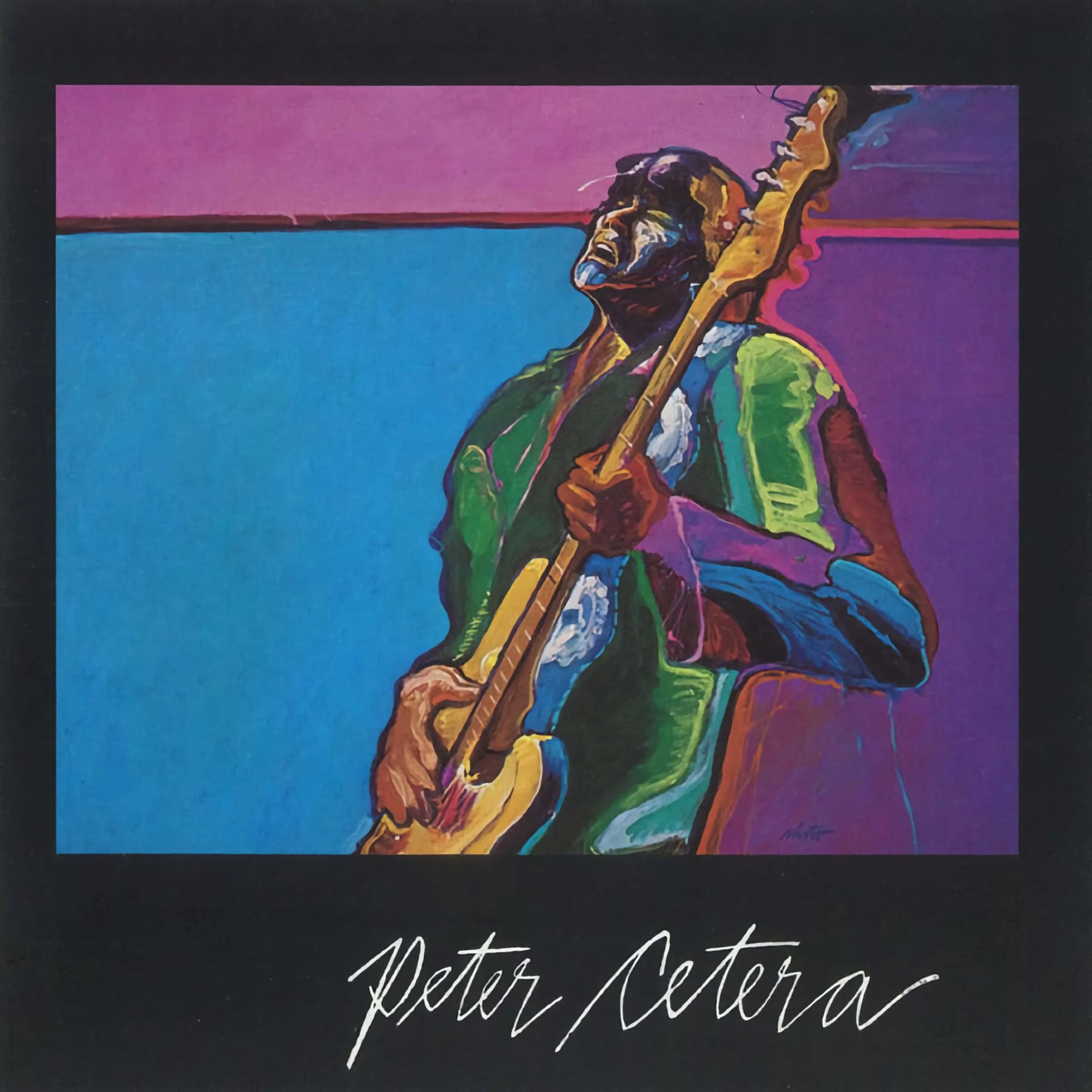
Released in 1981, Peter Cetera's self-titled solo debut album was a musical departure from the legendary band Chicago, where he served as lead vocalist and bassist. Yet, with a greater focus on rock elements, this release showcases just what an incredible talent as a musician, vocalist, and songwriter Cetera really is.

Co-produced with Jim Boyer (renowned for his work with Billy Joel), Peter Cetera is one of the best albums that, unless you’re a die-hard fan, you’ve likely missed. Yes, dear reader, this is a hidden gem that shouldn’t be ignored and while it was a failure from a sales perspective, success at the cash register has never been a hallmark of quality as it pertains to the creative arts.

It truly amazes me how this album flew below the radar. The album artwork alone is stunning and was released when vinyl records were still the dominant music format. I don’t know about you, but I would have been captivated by the cover art alone if I had seen it on display at a local record store.

While I would love to say that musicians don’t need record labels, and their marketing teams, this is one example where the support just wasn’t given for the album’s release and sales were subsequently absent. There’s no doubt, however, that Warner Bros. Records knew that this self-titled release had the potential to be a breakout album for Cetera. Perhaps if Chicago, as well as Cetera, hadn’t just been dumped from Columbia Records, Warner (their new label) may well have been interested in focusing on something other than Chicago’s 1982 release Chicago 16.

While it is easy to vilify record labels, Cetera’s solo success would indeed have been a concern for Warner, as few artists can maintain simultaneous solo and band careers. The downside to their decision to not push the album resulted in one of the greatest albums from 1981 going largely unnoticed for decades. It is with that thought that I’m so incredibly grateful that we have access to streaming services for it allows us to seek out these hidden gems and share them with other music-loving individuals, such as yourself.

Livin’ In The Limelight is a killer tune that has a catchy and upbeat rhythm with one of the very best driving basslines and guitar riffs you’re ever likely to hear in all of recorded music history. It’s a masterpiece!

I Can Feel It continues the rocking groove, with a slightly slower tempo, that allows Cetera’s impressive vocal reach to take center stage. It’s a fantastic tune and while not as strong as Livin’ In The Limelight, it’s thoroughly enjoyable and the guitar solo, while subtle within the mix, adds to the overall feel of the tune.

How Many Times has an incredibly funky bassline and catchy chorus. It’s simply fantastic and is one of the best songs Cetera ever recorded; including those with Chicago. Some may disagree, but How Many Times showcases Cetera's versatility as a musician, particularly as a vocalist, and is one of the greatest hidden gems just waiting for music lovers to find.

Holy Moly has an upbeat Boz Scaggs' feel to the tune; magnificent!

Mona Mona is a stunning jazz-inspired song. All elements are utterly perfect and Cetera’s lyrical pace is spot-on for his style of vocal delivery. However, the most noteworthy element is Gary Herbig's saxophone playing for it takes the tune to masterpiece status.

On The Line is a perfect mid-tempo tune with yet another incredible vocal performance from Cetera and a memorable guitar solo from Josh Leo. It may be an album tune, but it’s songs like On The Line that make this self-titled release so compelling.

Not Afraid To Cry is a solid album track. It's not a standout, but every song need not be extraordinary to ensure an album is thoroughly enjoyable.

Evil Eye is a funky, country guitar-driven track with a catchy chorus. What’s not to like? Cetera’s ability to fuse different genres seamlessly never ceases to amaze me.

Practical Man transitions extremely quickly from Evil Eye, perhaps a little too quickly as you could mistake Practical Man for a continuation, a second part if you will, of the previous song. Intentional or otherwise, Practical Man is another solid album tune with some memorable musical hooks and more of Cetera’s unique and pleasurable singing.

Ivy Coloured Walls is a perfect closer. While not the strongest song, although I love the chorus and the guitar solo, it does compel me to listen to the album again and further enjoy Cetera’s extensive catalogue of solo recordings as well as those with Chicago.

Overall, Peter Cetera's self-titled debut solo album is a rocking release that not only played to the era, but showcased Cetera’s incredible musical talents. With a little less production, compared to Chicago’s releases, Cetera took center stage as he explored new musical directions. It remains a shame that the album didn’t garner more recognition for it is severely underrated. Nevertheless, this self-titled album is a timeless classic that can now be fully appreciated in the modern era by music lovers the world over.

George Michael – Symphonica (Live Album Review)

Comment

George Michael – Symphonica (Live Album Review)

Released in 2014, George Michael’s Symphonica is a fluid masterpiece that melds exceptional live performances, captured between 2011-12, with studio mastery thereby ensuring the music and Michael’s vocal talents take centre stage with few distracting elements. With a collection of well-known covers, and a half dozen original songs thrown into the mix, Symphonica will captivate you from the very first note. 

Some may lament the studio manipulation, but most live albums are created similarly. Truthfully, I prefer the additional spit and polish for live performances can be hit and miss and that’s a core reason why I’m not a fan of attending concerts. It’s a case of once-bitten, twice shy, and I prefer higher production values when live recordings are released. 

Yes, dear reader, I’m one of those music lovers who doesn’t have a problem with artists using backing tracks at a concert if that’s what it takes to put on a good show. Is it pure and organic, no, but isn’t it better to have every note presented accurately than to have a substandard experience? I believe so!

The only aspect that I wish they had worked on a little more would have been the reduction of sibilance in Michael’s vocals. Michael’s vocal has always had a tad of sibilance, so I look upon it as artistic expression at this stage, but on a couple of the songs, it’s quite pronounced and temporarily takes you out of an otherwise relaxed experience.

Concerning the selection of songs, I find it incredible that Michael’s own works mix so perfectly with the classics of yesteryear. Seriously, it’s a seamless transition between tunes and goes to show just how incredibly talented Michael was as not only a vocalist but as a songwriter. 

While I was fortunate to have owned the stunning HFPA (High Fidelity Pure Audio) Blu-ray release, following a culling of formats, I now find myself limited to the streaming offerings and I have mixed feelings. The DTS-HD Master Audio 24-bit/96kHz edition of the album, from the Blu-ray, was as close to having a private audience with George Michael as I was ever going to get and while I have few regrets about downsizing my collection; this is one of them. 

The Dolby Atmos stream, via Apple Music, is admirable but it just doesn’t have the same presence as was heard on the physical counterpart. Interestingly, despite the Blu-ray format being capable, no surround mix was presented, yet, to my ears, it still had a greater presence. For many music fans, this won’t be an issue. For us audiophile-focused music lovers, however, it’s a substantial element for we strive to attain the best possible release. Nevertheless, I may have to try and seek out a vinyl edition, or hope for a reissue, as they’re incredibly hard to come by and go for insane prices on Discogs.

Symphonica is one release certainly worth owning but, as is often the case, it isn’t only a matter of sonic perfection for there are numerous releases of Symphonica, with different track listings, which makes choosing a definitive copy much more difficult.

For instance, the Blu-ray contained 17 songs, with the closer being You’ve Changed, as did the highly sought-after vinyl release, but the CD counterpart was abridged to 14 songs. The three songs removed were Roxanne, Going To A Town, and You Have Been Loved; all are exceptional performances and worthy of inclusion. Yes, incorporating these tracks would have gone beyond the limits of a single CD, but it would have been wonderful to have greater cohesion between versions by limiting the tracks, across all releases, to the finite runtime of the CD format.

Naturally, as a lifelong music lover, this should come as no surprise for it’s a constant problem within the music industry and a practice that I wish they would abolish for it would be far simpler if each version was the same so that fans don’t experience decision fatigue concerning which version we should pick up or listen to. Or worse still, feel compelled to pick up every edition; most likely the reason this is standard practice across the industry for the record labels’ ultimate aim is to make money and what better way to do that than by targeting the most dedicated of fans. 

Nevertheless, you might suggest that given the Dolby Atmos mix is enjoyable, that this is the version I should enjoy going forward. I thought so too until I realised that the Atmos Mix and its stereo counterpart, both Apple Digital Masters, only contain the 14 songs from the CD release.

Confusing matters further, a lossless 15-track edition is also available via Apple Music (a non-Apple Digital Master). Where did that come from? Seriously, can’t we just have a definitive edition? This 15-song version adds I Remember You as the final track on the album. Interestingly the Deluxe Edition (also not certified as an Apple Digital Master) tacks I Remember You to the backend of the album.

It’s an absolute mess, isn’t it? 

Still, for this review, I’m going to stick with the Deluxe Edition in its entirety, as all songs are featured, but while I consider the first 17 songs to be nothing short of perfection, I intend to remove I Remember You from my digital library for I feel it detracts from the highly polished production values heard throughout the rest of the album.

However, there’s a problem. Not a big one, but it needs to be addressed. The Deluxe Edition is not an Apple Digital Master. Few Deluxe Editions, by any artist, are and it simply makes no sense to me whatsoever. If the label goes to the trouble of remastering a release for the Apple Digital Master program, then why are the more complete editions omitted from this process? Surely it would be worth doing for those of us who appreciate the expanded offerings of Deluxe Editions.

Common sense, clearly, isn’t very common when it comes to what record labels do and how they manage their catalogs. I’m sure they’ve got their reasons for these discrepancies, but from a music lover’s perspective, I simply can’t comprehend why they make things so challenging. 

I’m sure by now you’re wondering why it matters if the Deluxe Edition is an Apple Digital Master or not. Well, dear reader, it’s an issue for two reasons. The first is that for those who enjoy surround mixes, they should be able to get the complete series of recordings in Dolby Atmos. Secondly, and this applies more to me, I find that the Apple Digital Master of Symphonica is less shrill, more rounded, and therefore a little more enjoyable when directly compared to the non-Apple Digital Master. Despite that, given I want the same 17-track experience that the Blu-ray and vinyl counterparts allow for, I’m left with no choice but to go with the slightly less appealing and sonically compromised Deluxe Edition. Of course, if I had not compared releases, I likely wouldn’t know what I’m missing out on so that perspective needs to be taken into account.

Through, a George Michael original from Patience, is a beautiful song to open the album with and it’s as if it should have always included an orchestra for this live performance trumps the original recording. The strummed introduction, intermingled with vocals and subtle symphonic elements, sets the tone for the entire album and subsequent performances. 

My Baby Just Cares For Me is upbeat and jazzy and would do any jazz club in New Orleans proud. The horn section in this song is perfectly balanced and I appreciate this as sometimes the brashness of brass instruments can overpower a song. 

A Different Corner slows things down a little with gorgeous vocals and acoustic guitar and bass strumming. It’s a simple and uncomplicated rhythm, but one that highlights Michael’s extraordinary vocal capabilities. Dating back to the mid-80s and the final Wham! release, Music From The Edge Of Heaven, the live performance of A Different Corner captures the soul of the studio recording and is the perfect counterpart to that 1986 release.

Praying For Time was originally released as the lead single on Michael’s second solo album Listen Without Prejudice Vol. 1 and is one of his greatest and most memorable tunes. While the original studio recording is marvellous, in its own right, this live performance takes the song to another level entirely; magnificent!

Let Her Down Easy is a song I adore. It was originally written and recorded masterfully by Terence Trent D’Arby (Sananda Maitreya) on the album Symphony Or Damn. The song is just so soothing, especially as it’s presented in a lullaby style, and Michael performed it beautifully.

The First Time Ever I Saw Your Face is an absolute classic and this live recording represents one of the very best interpretations of the song I have ever had the pleasure of hearing. 

Feeling Good is epic! George Michael performs this tune masterfully. That said, I still consider Nina Simone’s version to be the pinnacle recording of this classic song.

John And Elvis Are Dead is a lovely live recording of Michael’s tune; first heard on Patience. While I never considered John And Elvis Are Dead to be a standout song, although it’s a wonderful studio recording, this live performance changes that perspective for it flows so incredibly well within the live album structure that I couldn’t imagine Symphonica without it. Plus, it’s a little more relaxed than the studio release meaning that it can be fully appreciated in a relaxed setting when listening to Symphonica.

Roxanne will appeal to any fan of The Police for this live recording is a beautiful interpretation of their original tune from their 1978 release, Outlandos d’Amour. As solid as the original is, the jazz-influenced live recording by George Michael is exceptional and amplifies the song beyond The Police’s version. 

One More Try was originally released on Michael’s highly successful debut solo album Faith and it’s a George Michael classic that remains as fresh today as the day it was written and recorded. This live rendition honours the original studio release perfectly and the addition of the symphonic orchestra is complementary and therefore takes nothing away from the original. 

Going To A Town is one of the most beautiful songs ever written and is one of the greatest songs Michael has ever sung for it’s simply stunning and is perfectly suited to Michael’s vocal style. To say that I’m blown away would be an understatement, but if you’re as impressed by this recording as I am, then I suggest you check out Rufus Wainwright’s original from Release The Stars

Cowboys And Angels is another George Michael original from Listen Without Prejudice Vol. 1. It’s a nice classical meets jazz-styled tune, but it’s the worst song on Symphonica for Michael’s vocal sibilance is far too prominent. Thankfully, the sibilance isn’t a detracting element on the original studio recording, so the song can still be thoroughly enjoyed via that release. 

Idol is an underrated Elton John and Bernie Taupin collaboration from John’s 1976 album Blue Moves. This live recording, however, is one of those examples where an artist records a lesser-known cover, makes it their own, and that recording then becomes the standard to which all others are compared.

Brother Can You Spare A Dime is an American Classic and one that George Michael recorded and previously released on Songs From The Last Century. As good as Michael’s studio recording is from 1999, this live interpretation is about as good as it gets. The orchestral elements are off the charts and are not that far removed from Michael’s original interpretation, while Michael’s velvety smooth vocal ensures that Brother Can You Spare A Dime will remain in the social consciousness for decades to come.

You Have Been Loved was originally featured on Michael’s album Older and this live recording doesn’t break any new ground but it remains a lovely ballad with some exceptional jazz drumming and beautiful symphonic elements. That said, this is one case where I prefer the original recording to the live rendition. 

Wild Is The Wind has been recorded by some of the greatest musicians the world has ever known, but it really doesn’t matter which version you listen to as Wild Is The Wind is simply gorgeous. That said, Michael’s interpretation is one of, if not the, greatest ever recorded. 

You’ve Changed is what I consider to be the perfect closer and, again, I feel the label got the sequencing right when they closed the HFPA Blu-ray Audio version and vinyl releases with this beautiful jazz number as it is reflective and also compels me to listen to the album again.

I Remember You isn’t the strongest closer as it’s rawer, from a production and recording standpoint, than the rest of the songs featured on Symphonica. I also find the harp to be distracting, along with the audience, and subsequently, while I Remember You is included in this review, I remain convinced that the right decision, for me, is to omit it from my digital library, thereby allowing You’ve Changed to close the album out pleasantly.

Overall, sans I Remember You, Symphonica is a powerful and emotionally charged album that showcases George Michael's vocal range and songwriting talent, as well as the beauty and power of a symphony orchestra. Whether you're a fan of George Michael or simply a lover of beautiful music, this live album is worth a listen; you may even add it to your collection, for it is truly remarkable.

Comment