The Rolling Stones – Black And Blue (Album Review)

The Rolling Stones – Black And Blue (Album Review)

By 1976, The Rolling Stones were already synonymous with rock ’n’ roll. Leaning even further into their blues-based rock styling, The Stones would also add influences from funk and reggae music, thereby showing their willingness to experiment with various styles. This adaptability has, arguably, been a core reason for their success throughout the decades, but it logically isn’t the only reason for the Stones’ continued relevance within the music industry.

Part of the shifting style can be attributed to Mick Taylor’s departure and the need to find a replacement guitarist. Black And Blue’s uniqueness, as a result, is that it became a testing ground for several very talented guitarists prior to the Stones bringing Ronnie Wood into the fold. Yes, Wood’s inclusion would forever change the direction of the Stones, but before that transition took place, the songs that Wood would play guitar on included Cherry On Baby, Hey Negrita, and Crazy Mama. He also appeared as a backing vocalist throughout the record, but the Stones also worked with guitarists Harvey Mandel (Hot Stuff and Memory Motel) and Wayne Perkins (Hand Of Fate, Fool To Cry, and Memory Motel); each to much success. The result of these varied collaborations is that Black And Blue is not only a standout within the Stones’ extensive discography, but is an eclectic mix of songs that make it one of the most compelling releases of all time. 

While there is no doubt as to The Rolling Stones' musical talent, Black And Blue is also notable as being self-produced by Mick Jagger and Keith Richards under the pseudonym The Glimmer Twins. Yes, it wasn’t the first time the Stones would self-produce themselves, but it’s their most impressive self-produced album. Naturally, that is a subjective opinion, but as you listen to the album, consider the strengths of the songs and the way they flow haphazardly throughout as the album’s sequencing shouldn’t work, yet it grows on you the more you listen to the record. 

Speaking of the listening process, while I was fortunate to have owned, for a period of time, the Studio Albums Vinyl Collection 1971-2016, I can say that while the half-speed master of Black And Blue was lovely, and I also didn’t mind the 2009 CD reissue, but the 2009 lossless remaster from Apple Music is in every way the physical counterparts’ ideal peer. Granted, the vinyl re-issue may have had a little more of a rounded sound, due to the format’s mastering requirements, but what’s telling is that every time I listen to Black And Blue, via the stream, I’m not missing the physical releases that I once owned. That may be blasphemy to some, but as the Apple Music release is also an Apple Digital Master, I find them to be incredibly enjoyable to listen to and in some cases, such as this, they match or exceed the physical counterpart. The takeaway is that regardless of how you choose to listen to this classic album, you’ll have a thoroughly enjoyable musical experience.

Hot Stuff kicks the album off with a disco/funk feel that makes you question if you’re really listening to a Rolling Stones album. Well, you are, and that genre-bending approach works exceedingly well; particularly as it embraced the musical trends of the 70s. No doubt, fans will forever be torn regarding Hot Stuff as it was quite the departure from their traditional blues-rock roots, but the guitar soloing throughout ensures that elements of their core styling remained intact. Perhaps the only criticism that can be directed at the song is that it’s a tad long and is, subsequently, a little repetitive.

Hand Of Fate brings the Stones back to their bluesy roots with a gritty and powerful sound. Keith Richards' signature guitar riffs propel the track forward, while Jagger's lyrics paint a vivid picture as the song's raw energy and relentless pace make it a standout blues-rock anthem.

Cherry Oh Baby shifts the sonic direction of the album, yet it’s extremely compelling and the detour into reggae demonstrates the Stones’ ability, and willingness, to experiment with different influences. If nothing else, Cherry Oh Baby adds an eclectic mix to an album that can’t easily be pigeonholed.

Memory Motel is one of the album’s highlights and is one of the greatest ballads ever recorded, by anyone. As the narrative and musical bed slowly unfold, you’ll be swept away by Memory Motel as it’s simply unforgettable. 

Hey Negrita was always going to be a tough sell following the smoothness of Memory Motel, but by the time Jagger’s lyrics enter the mix, the upbeat nature of the song transitions the mind to this solid album-only tune; one that is a little overproduced and would, arguably, have been more appealing had it been exclusively a rock-only tune.

Melody, with a touch of blues and jazz influences, again shifts the tone of the album but it works so well that you likely won't skip a beat when Melody comes on. It’s also a song that I dare say Charlie Watts would have thoroughly enjoyed recording; due in part to his love of jazz music.

Fool To Cry is another of the Stones’ incredible ballads and is a perfect companion to Memory Motel. There’s no doubt in my mind that Fool To Cry and Memory Motel are core reasons why Black And Blue remains a standout release amongst the Stones’ incredible discography. 

Crazy Mama closes the album on an energetic note with a blues-infused rock number that has some killer riffs, a thoroughly enjoyable overall rhythm, and dynamic vocals that, when combined, become a fitting conclusion to the diverse musical journey of Black And Blue.

No matter how you view Black And Blue, it stands as a testament to the band's enduring musical legacy. With a dynamic fusion of blues, funk, and rock, each track unveils a different facet of their versatile sound, yet there isn’t a bad song to be heard. Black And Blue, subsequently, remains a must-listen, showcasing the Stones' ability to adapt and experiment while maintaining their timeless rock essence and status as true pioneers within the music industry.

The Jacksons – The Jacksons (Self-Titled) [Album Review]

The Jacksons – The Jacksons (Self-Titled) [Album Review]

Released in 1976, The Jacksons’ self-titled release marked a significant turning point in the musical journey of the iconic Jackson family. Formerly known as the Jackson 5, the group changed their name to The Jacksons after leaving Motown Records in search of greater creative freedom. This self-titled album not only showcased the group's evolution but also hinted at the individual talents of each Jackson sibling. 

Speaking of The Jacksons’ evolution, they would embrace a more mature and sophisticated musical style, incorporating elements of funk, disco, and soul. Helping them on this journey was the esteemed American songwriting and production team of Kenneth Gamble and Leon Huff whose main focus, meticulous arrangements, and polished sound demonstrated their commitment to excellence and The Jacksons’ evolving musical style.

Of course, all the production and songwriting prowess would be for nil had The Jacksons not been incredibly talented and while their music immediately resonates with your soul, the impressive vocal capabilities of each sibling are to be celebrated. Michael's lead vocals, as always, are charismatic and soulful, while the harmonies and additional lead vocals, shared by Marlon, Tito, Jackie, and Randy demonstrate the group's tight-knit musicality. It’s also imperative to note that The Jacksons was the first album to include their own material, as they were not given such creative freedoms while being signed to Motown. The songs to look out for are Blues Away (Michael Jackson’s very first published song) and Style Of Life; both exceptional and world-class musical achievements.

While I had been fortunate to have owned the 2018 vinyl reissue, I recently needed to sell a portion of my collection and this reissue was sadly one of those that I had to say goodbye to. Nevertheless, I look forward to the day when I can repurchase it because the pressing was simply magnificent. One may, therefore, assume that the lossless Apple Music stream is a letdown but it is anything but as the Apple Digital Master is exquisite. 

Right or wrong, and frustrating nonetheless, The Jacksons’ back catalogue was remastered and expanded in 2021 but was only ever released to digital platforms. Given that remasters can be hit or miss, the lack of a physical release may not be an issue for those of you who are fortunate to own previous releases, but in this instance, the Jacksons’ back catalogue has never sounded so good, on any digital format, as it does via the stream. For those interested in the fine details, no specific information has been issued regarding the remastering process of the albums, but all you need to do is load up your preferred streaming platform and give them a listen for I dare say you’ll be pleasantly surprised with not only the smoothness of the reproduction, but the detail and fullness across the entire soundstage that will immerse you in this classic recording.

Enjoy Yourself, The Jacksons first single following their departure from Motown, rocketed to the top of the charts with Michael and Jackie sharing lead vocals on this disco-funk tune. It’s a great opening song with an infectious energy that ultimately sets the tone for the album; particularly the upbeat numbers. 

Think Happy is a feel-good track with an optimistic and uplifting message; one that we should all appreciate from time to time in our modern complex, and not always happy, lives. That said, if you're not in a contented mood, it can be an incredibly annoying tune. Nevertheless, as I write this my mood is high so I have a smile from ear to ear and I genuinely hope you do as well for it’s a solid album-only tune from The Jacksons. 

Good Times slows the tempo down for this dynamically arranged vocal-focused number. It’s a beautiful song and while it’s most certainly cemented in the 70s, with that musical arrangement, it doesn’t sound as dated as it could have and I put that down to the incredible vocal performance by Michael and the harmonious perfection of his brothers. 

Keep On Dancing is a high-energy, danceable track that maintains the album's disco and funk influences. The repetitive and catchy chorus, coupled with a driving beat, reinforces the message of letting go and enjoying the moment while Michael's spirited vocals add an extra layer of excitement to the song. Keep On Dancing really should have been released as a single and it’s a shame that it has never received the recognition it deserved, for it’s an incredible tune that sounds as fresh today as it would have when the album was released.

Blues Away slows the tempo of the album with this soulful ballad. The vocal processing is interesting in that you’d think it would get fatiguing, but the mix is done so well, and the vocal distortion is only applied minimally, meaning that it is an enhancement rather than a distractive element. Of course, this was recorded well before autotune and Michael certainly didn’t need such a gimmick. That said, I’d love to know how they achieved the vibrating aspect on his vocal mix as it’s a key reason why Blues Away is one of my all-time favourite songs by The Jacksons. 

Show You The Way To Go is a sophisticated, elegant, and subsequently smooth ballad. The silky-smooth vocals, lush arrangement, and polished production elevate the song to timeless status even though it sounds of the era.

Living Together is a mid-tempo R&B tune with a killer groove and a social message conveying the importance of togetherness. It’s a great song and as with the majority of songs from the album, The Jacksons’ harmonies are what take this song to the next level. 

Strength Of One Man is a solid album-only tune that is thoroughly enjoyable with the brothers sharing lead vocal duties. Granted, Strength Of One Man sounds quite dated, but sometimes that is exactly what the soul expects and being set in the era from which it came is not the worst thing in the world. 

Dreamer is perhaps even more cemented in the 70s than Strength Of One Man, but it’s such a lovely song that I generally don’t reflect on that aspect. Michael’s vocal takes centre stage and the emotive lyrics, combined with a subdued arrangement, create a poignant atmosphere that is not only perfect for the song but works incredibly well for The Jacksons’ style.  

Style Of Life is a great mid-tempo closer that blends soul and R&B elements. The smooth vocals atop a laid-back groove contribute to the song’s depth and appeal, thereby making it ideal for contemplation once the album ends whilst simultaneously encouraging the playing of the record again. That all said, I do feel that the song ends somewhat prematurely. 

The Jacksons is a testament to the enduring talent of the Jackson family. It successfully captures the essence of the 70s music scene while showcasing the group's ability to evolve and adapt. With its memorable tracks and polished production, the album remains a crucial chapter in the musical legacy of The Jacksons and is amongst their greatest releases.

Alice Cooper – Alice Cooper Goes to Hell (Album Review)

Alice Cooper – Alice Cooper Goes to Hell (Album Review)

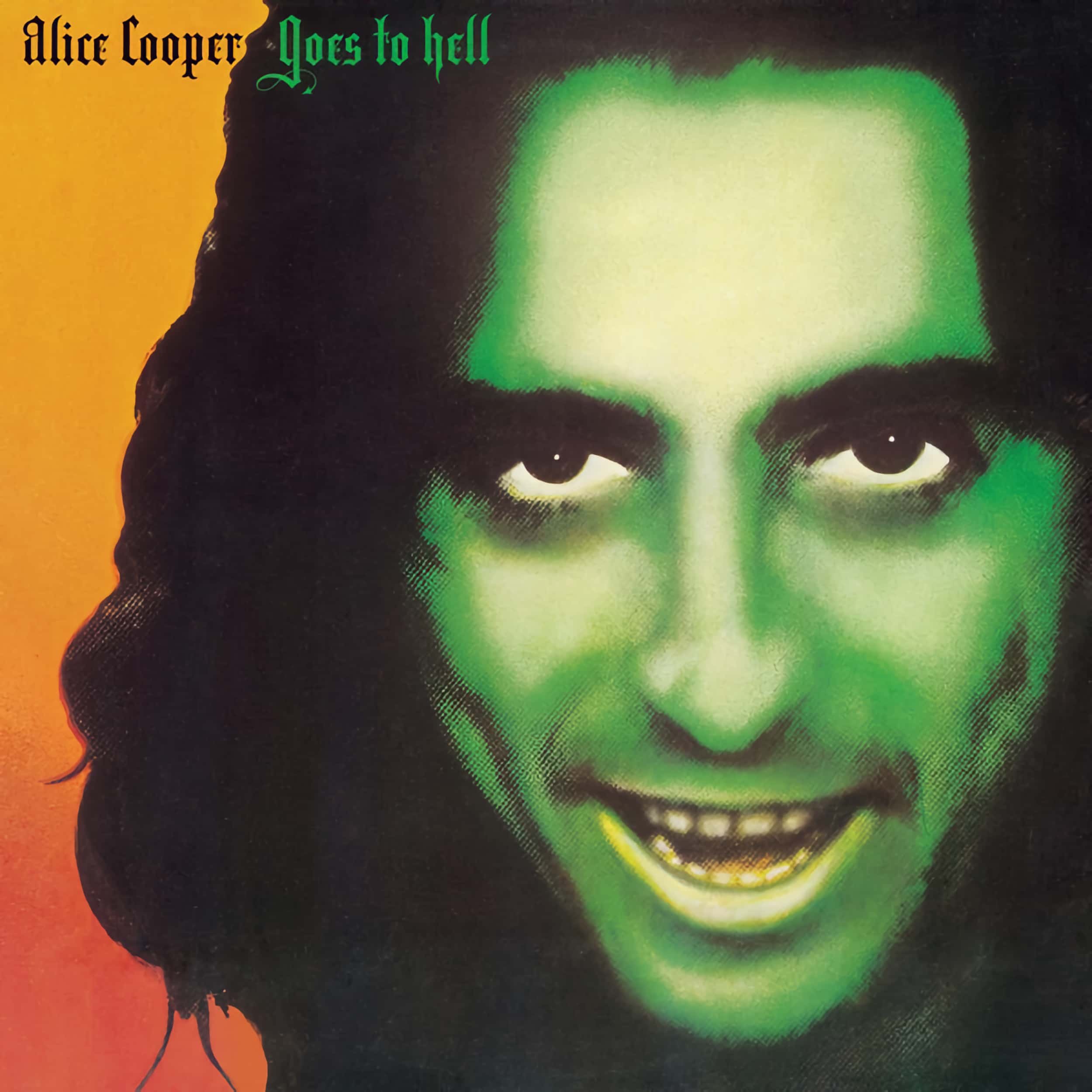
Alice Cooper, the undisputed master of theatrical rock, returned in 1976 with his second solo studio album Alice Cooper Goes To Hell. Following the success of its predecessor Welcome To My Nightmare, this album continued the narrative journey into the macabre and sinister realms of Cooper's imagination. While not as commercially successful as its predecessor, Alice Cooper Goes To Hell is far greater than that 1975 release and stands as a unique and ambitious chapter in Cooper's discography.

Cooper's vocals and witty lyrics draw you into the narrative and the musical arrangements are diverse, blending elements of hard rock, glam, and theatrical pop, along with rock ballads. Via this diversity, Cooper showcases his ability to seamlessly combine different genres while remaining true to himself. With an elaborate production, thanks to Bob Ezrin, Alice Cooper Goes To Hell is more than just an album, it’s a musical experience first and foremost; one that hardcore and casual fans alike shouldn’t turn away from as there are few peers to this incredible release; even from within Cooper’s own celebrated discography.

Visually striking, the album artwork draws you in in a similar manner as all of Cooper’s releases, but as impressive as it is, it would be for nil had the music and sonic presentation of the album been subpar. While not presented as an Apple Digital Master, Warner Records has ensured that Alice Cooper Goes To Hell sounds thoroughly enjoyable. It’s dynamic, immersive, and is probably about as pleasing as this album will ever sound via streaming. To my knowledge, there has never been a thorough remaster for Alice Cooper Goes To Hell and this is a good thing for I’m more than happy with the CD facsimile presented on Apple Music. That said, as a physical media fan, I do have to hunt down one of the respected copies from the Rocktober 2018 reissue series as the releases from that series that I already own are exceptional and take their respective albums to further levels of appreciation. Until then, however, the lossless Apple Music stream is perfect for this Alice Cooper fan.

Go To Hell launches the album with a catchiness that not only sets the tone for the entire record but is 100% Alice Cooper. The upbeat and energetic rock elements, with Cooper's signature theatrical vocals, ensure that Go To Hell is a masterful tune that sounds as fresh today as it would have when first released in the 70s. It’s nothing short of perfection and the closing third of the song, with instrumental elements galore, is a pleasure that must be heard firsthand in order to fully appreciate what an incredible tune this opener is. 

You Gotta Dance is a lively and danceable track with a glam-rock feel that was ideally suited to the era. The catchy rhythm and infectious energy make it a fun addition to the album. While this type of song may cause disagreement amongst fans, I consider it to be one of Cooper’s all-time greatest and I strongly believe that it should have been released as a single for it had the potential to dance its way to the top of the charts. 

I'm The Coolest slows the tempo a little with its swaggering rock vibe. The spoken word lyrical styling is perfectly suited to the musical bed, but it’s the egotistical nature of the lyrics, some very beautiful guitar licks, and the overall mix that ensures I’m The Coolest is amongst the coolest songs (pun intended) that Cooper has ever recorded. 

Didn't We Meet is a bluesy and soulful number that flows perfectly within the album’s sequencing. That said, as much as I adore Alice Cooper Goes To Hell, I have a love/hate relationship with the chorus. Yes, it works but there is some aspect of it that I don’t feel works well with the song’s structure or the overall musical approach to the record. Nevertheless, the album wouldn’t be the same sans Didn’t We Meet but it is, subsequently, a lull in an otherwise perfect album. 

I Never Cry is one of the greatest ballads of all time and is as spectacular as Only Women Bleed from Welcome To My Nightmare. The emotional depth of the lyrics, coupled with a melodic arrangement, ensure that you’ll want to play this tune on repeat for Cooper is, arguably, as good a vocalist on ballads as he is on his other rock-focused tunes, if not more so, for the shock rocker never fails to disappoint on slower numbers.

Give The Kid A Break returns the album to an upbeat tempo by injecting the album with a little rock and roll energy. While it’s an album-only tune, it’s a fantastic song that could have quite as easily come out of the 50s era, yet is perfectly suited to Cooper’s 70s styling. 

Guilty flows seamlessly from Give The Kid A Break and maintains the rock vibe with a catchy chorus and infectious guitar riffs. While not necessarily a standout, exceptional albums are the sum of their parts rather than possessing a killer song or two. It is this aspect that ensures many 70s releases, and most of Alice Cooper’s albums, are worthy of adding to one’s collection for even the filler material is exceptional. 

Wake Me Gently takes us on an atmospheric journey with dreamy instrumentation and ethereal vocals. The song adds a surreal and introspective element to the album and is another of Cooper’s remarkable ballads. 

Wish You Were Here has an eclectic nature to it; an aspect that continues throughout the entire song. It is rock and roll to its core, most certainly a 70s rock masterpiece, and is a song that will encourage you to get your air guitar out. While it would have never worked as a single, Wish You Were Here is amongst Cooper’s greatest recordings, particularly from a musical and mixing perspective for it will envelop you and there isn’t a single element that is unnecessary; despite its busy composition.

I'm Always Chasing Rainbows was an odd, yet perfect choice, for this well-known vaudeville tune is perfectly reinterpreted with Cooper’s theatrical intent that adds a darkness to the nostalgic melody, fitting seamlessly into the album's overarching theme.

Going Home flows seamlessly from I'm Always Chasing Rainbows and, the two, in some respects could have been a singular song. Despite that, Going Home is one of Cooper’s most beautiful songs with orchestral elements and a cinematic quality that will leave you with a sense of closure, contemplation, and compulsion to play the album again.

Each of the 11 songs from Alice Cooper Goes To Hell contributes to the album's narrative cohesiveness, showcasing Cooper's ability to experiment with various musical styles while maintaining a thematic thread throughout the theatrical journey. Granted, it’s Cooper’s trademark, but it is amongst his greatest releases and that’s saying something for with a career spanning six decades and a discography of 29 studio albums under the Alice Cooper banner, numerous records could share the top billing as his very best. Nevertheless, Alice Cooper Goes To Hell is a masterpiece and is not only one of the greatest Alice Cooper releases but one of the best albums ever released in all of recorded music history.

America – Hideaway (Album Review)

America – Hideaway (Album Review)

Released in 1976, Hideaway is the sixth studio album by the American rock band America. While the music on this album would showcase further evolution within the band’s production style and songwriting, this evolving nature isn’t to the band’s detriment for on this release they took their acoustic-driven folk-rock style even further by adding higher production values and a fuller musical presentation. The result is one of the greatest rock albums of the 70s and one of the best releases in America’s illustrious career.

While the album artwork is mundane, it’s effective and is a perfect visual counterpart to the musical style of the album. Granted, the music surpasses the album cover in terms of quality, for there isn’t a dull song to be heard on the album, and while each fan will have their own preferred favourite America release, Hideaway is certainly mine; followed by Hat Trick and their self-titled debut, America

Speaking of the music contained within this classic release, Hideaway demonstrates America's ability to seamlessly blend different musical styles while staying rooted in their signature folk-rock sound. Incorporating elements of pop, soft rock, and a touch of country, Hideaway is one of those pleasurable listens that has a smooth well-balanced mix that allows each instrument and vocal harmony to shine. 

While America’s legacy is legendary, when you have a producer of the calibre of George Martin producing Hideaway, one of five studio albums that he would produce for the band, there’s little wonder as to why Hideaway is so exceptionally pleasing. For those really interested in geeking out, Geoff Emerick was also the engineer for this recording. With two of the core Beatles’ production team behind the scenes, there’s little doubt as to why Hideaway is such a compelling release. Of course, America had to have musical skill in the first place and the songwriting throughout delivers a strong set of compositions that are introspective and often contemplative, exploring themes of love, longing, and self-discovery. Overall, the songwriting maintains a poetic quality, complemented by the band's trademark harmonies, and this, along with the quality of production further validates the importance of every aspect in the creation of a timeless record.

As it pertains to the sonic presentation of the album, the Apple Music stream is exquisite. It may not be an Apple Digital Master, but Warner Music has ensured that the streaming counterpart is a lovely facsimile. Some may naturally prefer a physical copy and while they are readily available on the secondhand market, it’s good to know that Music On Vinyl reissued the album in 2022. While I have no experience with that particular release, I have found Music On Vinyl to be a respectable reissue label. 

Decades ago, I was fortunate to have owned the 1997 Australian reissue CD, under the EMI Legendary Masters reissue series, but it has been so long since I owned that edition that it's impossible for me to even comment on how it compares to the stream I now thoroughly enjoy. What I will say, however, is that if I only had the lossless Apple Music stream of Hideaway, I would be in seventh heaven and wouldn’t feel like I’m missing a thing; it’s that enjoyable!

Lovely Night opens the album with an upbeat and catchy tune that sets the tone for the musical journey ahead. The harmonies are tight, and the melody is infectious, but it’s the entire sonic presentation that ensures Lovely Night will remain with you long after the song and album have concluded as it’s earworm-inducing; the positive kind, of course!

Amber Cascades features a lush atmospheric arrangement that makes for a captivating listening experience that is one of the album's highlights.

Don't Let It Get You Down has a more upbeat tempo, combining electric guitars and keyboards, thereby showcasing America's diverse musical palette. The lyrics convey a message of resilience and encouragement, and the dynamic arrangement adds a sense of urgency to the track that is also the perfect pick-me-up for those moments in life when we feel a little down.

Can't You See is a beautiful acoustic-focused ballad with magnificent harmonies that will immediately touch your soul. It is the definition of a textbook perfect tune and is, arguably, not only one of the best songs America ever recorded, but it’s one of the greatest ballads of all time. It is somewhat disappointing that this tune was not released as a single for it had the potential to be a chart-topper. My only complaint, however, is that it is too short. Of course, if it had been longer, it may not be as appealing. Let’s just say that it’s purposefully minimal and appreciate it within that context.  

Watership Down is a beautifully mellow track with a contemplative atmosphere that adds a sereneness to the album. 

She's Beside You returns the album to a more upbeat vibe, but that classic almost doo-wop introduction is a little distracting as it limits the fluidity of the album’s sequencing. That said, the catchy chorus and infectious rhythm make it a memorable addition to the album.

Hideaway, Pt. I serves as the first part of a two-part instrumental interlude and is not only thoroughly enjoyable but is ideally positioned within the album’s structure; particularly as it’s the closing song on the first side of the vinyl record.

She's A Liar is a killer rock tune with the electric guitar taking centre stage on this bluesy number. It may be a run-of-the-mill rock number by many standards, but the mix and subsequent layering ensure that She’s A Liar is one of the best songs from Hideaway.

Letter is bass guitar heaven. That introduction is spectacular and as the song builds so does my appreciation for it as the stripped-down nature perfectly suits America’s styling. 

Today's The Day is a beautiful tune that rocketed to the top of the charts upon its release as a single. Despite being successful at the time, there are other songs from Hideaway that I feel would have been stronger singles had they been released. Of course, that is me looking at the music via a modern lens and if I reflect on the era, then Today’s The Day was a ideal single release. That said, this is a perfect example as to why this album is so revered here at Subjective Sounds, for it isn’t just the songs on their own that make an album experience, but the album’s sequencing that ensures the record is a standout release. 

Jet Boy Blue kicks things up a notch with twangy guitars and a driving rhythm. It’s nothing short of fantastic and is another favourite as it is not only perfectly suited to America but the variation in musical styles adds depth to the overall album experience. 

Who Loves You emphasises the band's vocal harmonies on this soulful and mellow track. It is, truly, one of their most beautiful compositions and if I wanted to introduce America to someone who had never heard them before, this is one of the tracks that I would share for it’s thoroughly pleasing.  

Hideaway, Pt. II serves as an instrumental closer and while I appreciate the intent, I would suggest that Who Loves You was a perfect way to close the album. Nevertheless, given that Hideaway was released in the vinyl era, the consistency of an instrumental number closing both Side A and B, of the vinyl release, makes logical sense and was a commonly used technique during the heyday of the vinyl record. 

Hideaway stands as a testament to the band's musical maturity and willingness to experiment with different sounds. The album's cohesive flow, coupled with strong songwriting and polished production, makes it a notable addition to America's discography and the 70s classic rock scene. While it may be cemented firmly in nostalgia, Hideaway perfectly encapsulates the saying that they don’t make music like this anymore.    

AC/DC – High Voltage (Album Review)

Comment

AC/DC – High Voltage (Album Review)

Released in 1976, High Voltage would become AC/DC’s pseudo debut as the song selection was taken from their 1975 Australian-only releases of T.N.T. and High Voltage. While the Australian-only releases are highly sought-after by collectors, the songs that were omitted have since been released on the incredible ’74 Jailbreak and the rather extensive Backtracks compilation and are worthwhile checking out. That said, I consider the international 1976 version of High Voltage to be the true debut of the band as this edition is non-relenting in its rhythmic drive, ensuring there isn’t a dull moment from start to finish.  

The excitement is naturally driven by the album artwork. While it may not be the greatest in AC/DC’s illustrious career, it suits the band and the album perfectly ensuring that the visual element is a perfect counterpart to the music contained within. One can only imagine being a record buyer in 1976 and seeing the cover art for the first time; I know it would have compelled me to pick up the album based on the artwork alone. 

Moving forward into the modern era, music lovers can increasingly get access to the record via streaming services and while I’m still a proponent of physical media, the Apple Digital Master, available via Apple Music, sounds exquisite and I believe is derived from the core 2003 remastering sessions of AC/DC’s entire back catalogue that were the basis for the well-regarded vinyl and CD reissues. While some may lament the remastering of albums, it’s comforting to know that regardless of which delivery method you choose to listen to this classic album via, they’re all based on the same master. Plus, and some may disagree, but I feel the 2003 AC/DC remasters are fantastic.

It’s A Long Way To The Top (If You Wanna Rock ’n’ Roll) is one of the greatest songs ever written and recorded. The inclusion of the bagpipes was a masterful move and showed Bon Scott as more than just a vocalist. The version heard here is, however, shorter than the original Australian-only release, so if you’re a purist you would be well-advised to check it out on Backtracks. It’s A Long Way To The Top (If You Wanna Rock ’n’ Roll) has also been covered extensively with two of the best renditions being recorded by John Farnham and Lemmy Kilmister & Jake E. Lee.

Rock ’N’ Roll Singer isn’t a bad song, but it isn’t one of AC/DC’s strongest. However, via the charismatic nature of Bon Scott, Rock ’N’ Roll Singer takes on a life of its own and we’d be worse off as fans if this tune had been omitted from the album. 

The Jack is brilliant. The blues-based rhythm is compelling and it’s yet another example of AC/DC at their cheeky best.  

Live Wire is a killer rock and roll tune and that intro is one of the best in AC/DC’s entire catalogue; perhaps only rivalled by the build-up of Thunderstruck. Regardless, Live Wire is an all-time favourite of mine and is a highlight from High Voltage.

T.N.T. is one of AC/DC’s best and is one of the greatest rock and roll anthems that has ever been written and recorded.

Can I Sit Next To You Girl is a great song, but it is Mark Evans’ bass tracking that takes this song from a run-of-the-mill bluesy rock and roll tune to a killer rock song worthy of the AC/DC name. Interestingly, Can I Sit Next To You Girl was AC/DC’s first single, released in 1974 and at the time titled Can I Sit Next to You, Girl with Dave Evans on vocals, Colin Burgess on drums and George Young on bass guitar. While the earlier version is out of print, and is different, it hasn’t been officially reissued since its initial release, but if you look on YouTube, you’ll come across uploads of the original. 

Little Lover is pure sonic bliss. It may be a slow track, but there is nothing pedestrian about Little Lover. It is a shame, however, that it hasn’t been more prominent throughout the years, but perhaps that is a good thing considering I generally prefer Brian Johnson’s vocal delivery, but I couldn’t imagine anyone else singing Little Lover better than Bon Scott; he mastered it!  

She’s Got Balls has a great rhythm and is a solid tune but it isn’t a standout. That said, the album wouldn’t be the same without it.

High Voltage is a fantastic song, a perfect title track, and an ideal closer. However, perhaps it’s just me, but having heard it so many times over the years, I can’t help but feel it’s a little overrated.

High Voltage is a classic album that captures the essence of AC/DC’s early years. It serves as a testament to their ability to create timeless, no-nonsense rock and roll; a constant element throughout their career. A core strength of High Voltage lies in the simplicity and authenticity of AC/DC's sound as the album doesn't rely on complex arrangements or intricate production; instead, it thrives on the sheer power of its raw, stripped-down rock and roll. The result is that High Voltage is amongst the greatest hard rock albums ever released and is a must-listen for anyone seeking a genuine hard rock experience. 

Comment

Aerosmith – Rocks (Album Review)

Comment

Aerosmith – Rocks (Album Review)

Aerosmith’s Rocks, rocks! 

Yes, dear reader, I’m aware of the cringeworthy pun but the truth is that Rocks is one of the greatest rock and roll albums of all time. Released in 1976, Rocks was Aerosmith’s fourth studio album and it shows as the album is tight, highly refined, and certainly not lackadaisical. While raw in classic Aerosmith style, Rocks has left an indelible mark on not only the history of rock music but Aerosmith’s extensive discography.

There is part of me that would appreciate a slightly higher production value than Rocks presents, but Aerosmith was able to capture their live, rough-around-the-edges energy that not only adds to the authenticity of the album but is, arguably, an Aerosmith trademark. Hence, a more polished production would have diminished the exceptional skill of Joe Perry and Brad Whitford on guitars while the rhythm section of Tom Hamilton and Joey Kramer lays down a solid bluesy, hard rock, musical foundation for Steven Tyler’s unique vocals to lay upon.

Speaking of Tyler’s vocals, they’re nothing short of stellar on this release. The distinctive nature of his vocals, characterised by their raspy quality, adds a layer of grit to the songs that add memorably to the album’s overall style and impact. A shift in any of these aspects would mean that Rocks wouldn’t be the same album so the rawness must remain but different editions can offer a shift in the tonality of the album that you may prefer; based on your subjective tastes, of course.

The Hi-Res Lossless Apple Digital Master, as heard on Apple Music, is rich and well-defined and while I can’t confirm the exact mastering used, it’s sonically pleasing. Rocks is an album that can be a little grating on the senses, mainly due to Steven Tyler’s vocal style throughout and, again, the rawer production, but the treble is rolled off a little on the stream, thereby allowing for a much less fatiguing listen than I’ve heard via other formats. It could, however, be a little too muffled for some so it would be best to listen and decide for yourself as you may prefer another release.

In the past I have been fortunate to have owned the 90s CD remaster along with the Record Store Day (RSD) 2014 reissue and both versions were considerably different to each other and the associated stream. The 1993 Vic Anesini remastered CD reissue was always a little shrill while the vinyl reissue offered a sonically gorgeous reproduction and wasn’t that dissimilar to the Apple Music stream. Nevertheless, had I not run into a minor financial challenge that required me to move a few records on, I’d still be incredibly happy with the vinyl release for this album really benefits from the vinyl format’s more restrictive mastering standards. 

The disappointment, however, was that the album cover on the vinyl release was terrible. It was as if it were poorly scanned from a CD booklet; a common occurrence with vinyl reissues. Despite that aspect, the artwork for Rocks never really captivated my attention. It isn’t so bad as to be included in The Worst And Most Disturbing Album Covers Of All Time but it’s lacklustre, to say the least. I don’t know about you, dear reader, but it simply doesn’t compel me, as other albums do, to hold the record sleeve, or put it on display, as the music plays. Thankfully, the music is worthy of discussing further, so join me as I take a look at the songs that make up this landmark release. 

Back In The Saddle is a thunderous anthemic opener. It is, however, a song that can be distracting, depending on the specific mastering you're listening to, as I alluded to earlier. Nevertheless, the thunderous riffs and energetic style of this opening tune sets the tone for the entire album. 

Last Child has a funky and infectious blues-based rhythm and Whitford’s guitar solo is glorious. Tyler’s vocal performance here is off-the-charts good resulting in Last Child being one of my all-time favourite Aerosmith songs. 

Rats In The Cellar is a high-energy rock number that could very well have been influential to the Thrash Metal sub-genre with its relentless guitar riffs and rhythm section driving the song forward.

Combination flows beautifully from Rats In The Cellar and while it’s a great song, at times I feel Tyler’s vocals come across a little whiny and Perry’s harmony vocal does little to help. Subsequently, as much as I adore Combination’s musical composition, the lyrical aspect is simply too distracting to listen to the song outside of the album’s linear structure. 

Sick As A Dog is another bluesy number that is so rhythmically charged that it will get you moving and grooving. Despite never being released as a single, Sick As A Dog is a hidden gem and one of the best songs Aerosmith ever recorded. 

Nobody’s Fault has a magnificent slow introduction before the band crashes through your speakers. Tyler is perhaps a little distant in the mix, as is Witford’s lead guitar towards the end, and the vocal processing on the chorus may not appeal to all, but Nobody’s Fault remains a killer tune and one that flows well within the album’s linear structure.

Get The Lead Out gets better the louder you play it and is one of the best songs on Rocks. I’d also argue it's one of Aerosmith’s greatest and most overlooked rock and roll anthems with an infectious energy and catchy chorus that is a cornerstone of the entire album. 

Lick And A Promise with its upbeat tempo and lively instrumentation is another memorable tune that further confirms just how powerful Rocks is as an album experience.

Home Tonight may slow things down a little but the mellower tone of Home Tonight makes for not only a perfect way to close out the album, but it’s also another of Aerosmith’s fantastic power ballads; an aspect that is, at times, more notable than their straightforward rock numbers. Nevertheless, Home Tonight will compel you to listen to the album again or encourage you to  reflect on the music you’ve just heard.

Rocks has left an enduring legacy in the rock genre. Its impact can be heard in the work of countless bands that followed, with its raw energy and unapologetic attitude serving as a blueprint for numerous hard rock and heavy metal acts. Its blues meets hard rock at its very best and is one of the most noteworthy albums Aerosmith ever released. 

Comment

Wings – Wings At The Speed Of Sound (Album Review)

Wings – Wings At The Speed Of Sound (Album Review)

Released in 1976, Wings At The Speed Of Sound is one of Wings’ most essential releases and is, arguably, only challenged by Band On The Run for supremacy. As the fifth studio album in Wings’ discography, Wings At The Speed Of Sound sees the band in full swing during their most successful years and is their most diverse as vocal duties were given to each of the core members. The result is that Wings At The Speed Of Sound remains fresh and while McCartney could have taken the lead on all the songs from the album, it is refreshing to hear vocals performed by other members of the band.

While few artists are as successful as Paul McCartney has been, Wings At The Speed Of Sound is yet another example of his musical vision. Yes, as alluded to earlier, Wings was a collaborative effort but there are still moments when you’ll find yourself considering these classics as McCartney tunes. Granted, he co-writes (and produced) all songs, except for Wino Junko, and passed vocal duties to Denny Laine, Jimmy McCulloch, Linda McCartney, and Joe English, but it can still be difficult to separate the legend from the rest of the Wings’ lineup as they are synonymous with each other. 

While the music is the most important element of Wings At The Speed Of Sound, the album artwork is nothing if not compelling. Yes, it’s boring to an extent, yet it’s one of my all-time favourite album covers. While I’ve yet to pick up a physical release of this classic album, when playing it via Apple Music, on an Apple TV, the artwork is presented via a larger canvas that is close to that of the physical vinyl release. It subsequently permits appreciation while sitting back and enjoying the music and the only thing missing is the tactile element. 

What isn’t omitted, on the lossless Apple Music stream, is the lovely sonic presentation of the record. Derived from the 2014 remastering of the album there isn’t much to complain about but there are times when I wonder if the Apple Digital Master is a little concealed. It’s as if there was too much noise reduction applied in the remastering process and sounds as if a sheet has been laid over the speakers. Yet, this isn’t present across the entire album. It could be that the original master tapes weren’t in great shape, or that the songs were simply recorded that way. Of course, it could just be me looking for a problem for when I turn the volume up and allow myself to be drawn to the music alone, I no longer notice it. 

With that in mind, join me, dear reader, as we take a look at the music that makes up this classic release. 

Let 'Em In is a masterpiece as it pertains to opening tracks. The bell-ringing aspect sets the scene perfectly and the song essentially aims to let the music lover in, via its whimsically infectious melody and lyrical presentation.

The Note You Never Wrote is a little melancholic with a subdued and reflective feel. Nevertheless, this is one of the very best songs Wings ever recorded as it’s layered exceptionally well ensuring that the vocals and emotion remain paramount throughout. It may be an album-only tune, but songs such as this are masterpieces in their own right and only make an album stronger. 

She’s My Baby is lively and energetic with an upbeat tempo. While it was never destined to be a standout, it’s a fun little addition to the album.

Beware My Love starts slowly but this mid-tempo rock number builds into one of the greatest songs in all of recorded music history. McCartney’s vocals are raw, simply beautiful, and the musicality, with incredible guitar licks and rhythmic drive, is so captivating that I could listen to Beware My Love on repeat, indefinitely. It is, for lack of a better term, a perfect song. 

Wino Junko is ideally positioned in the tracking of the album. It was always going to be challenging for any song to follow Beware My Love, yet Wino Junko does so without intimidation, thereby ensuring that the linear flow of the album is maintained. Jimmy McCulloch takes the vocal lead on this tune and while his performance is to be commended, it is the bluesy musical backing that is most impressive for the collaboration between musicians, melded with an exceptional mix, has resulted in a musical experience that knows few peers. 

Silly Love Songs is one of the most well-known tracks from this 1976 release and leans into the disco style of the time. There is little doubt, subsequently, that Silly Love Songs would be a hit when released within that era. As corny and cliché as the song is, the catchy and upbeat nature of the song remains thoroughly pleasing and addictive, thereby ensuring that, even if you don’t want it to, Silly Love Songs will remain within you, as an earworm, long after you’ve finished listening to the album.

Cook Of The House is quirky and whimsical, yet it’s a low point of an otherwise perfect album. I think many would agree that if there was one song that should have been omitted from this release it would have to be this one. 

Time To Hide brings the album back on course with a bluesy rock-oriented tune with Denny Laine delivering an incredible vocal performance. 

Must Do Something About It is a beautiful song that seamlessly flows from Time To Hide. As with the previous song, Must Do Something About It is sung by Joe English and is another perfect example of Wings’ creative genius beyond that of McCartney alone. Listening to the song, you’d be forgiven if you thought that English, in some respects, sounds a lot like Billy Joel. Intended, or not, that’s a compliment for I’d love to hear Joel cover this magnificent tune. 

San Ferry Anne is a pleasant enough tune. It’s succinct, and musical, but isn’t a song that you’ll likely seek out, outside of the album’s structure. 

Warm And Beautiful is a stunning ballad and is a perfect closing tune. It will either compel you to listen to the album again or contemplate the serene nature of the tune and McCartney’s delicate vocals. Whichever way you choose to enjoy this closing track, there is little doubt that Warm And Beautiful is simply splendid.

Wings At The Speed Of Sound is nothing if not an exceptional record. While it may not be as well-regarded as some of McCartney’s other works, it’s one of the best albums Wings ever recorded and is a landmark release of the 70s. From catchy pop tunes to blues-based rock and heartfelt ballads, Wings At The Speed Of Sound offers music lovers a diverse range of musical experiences that only get better the more frequently you listen to the album.