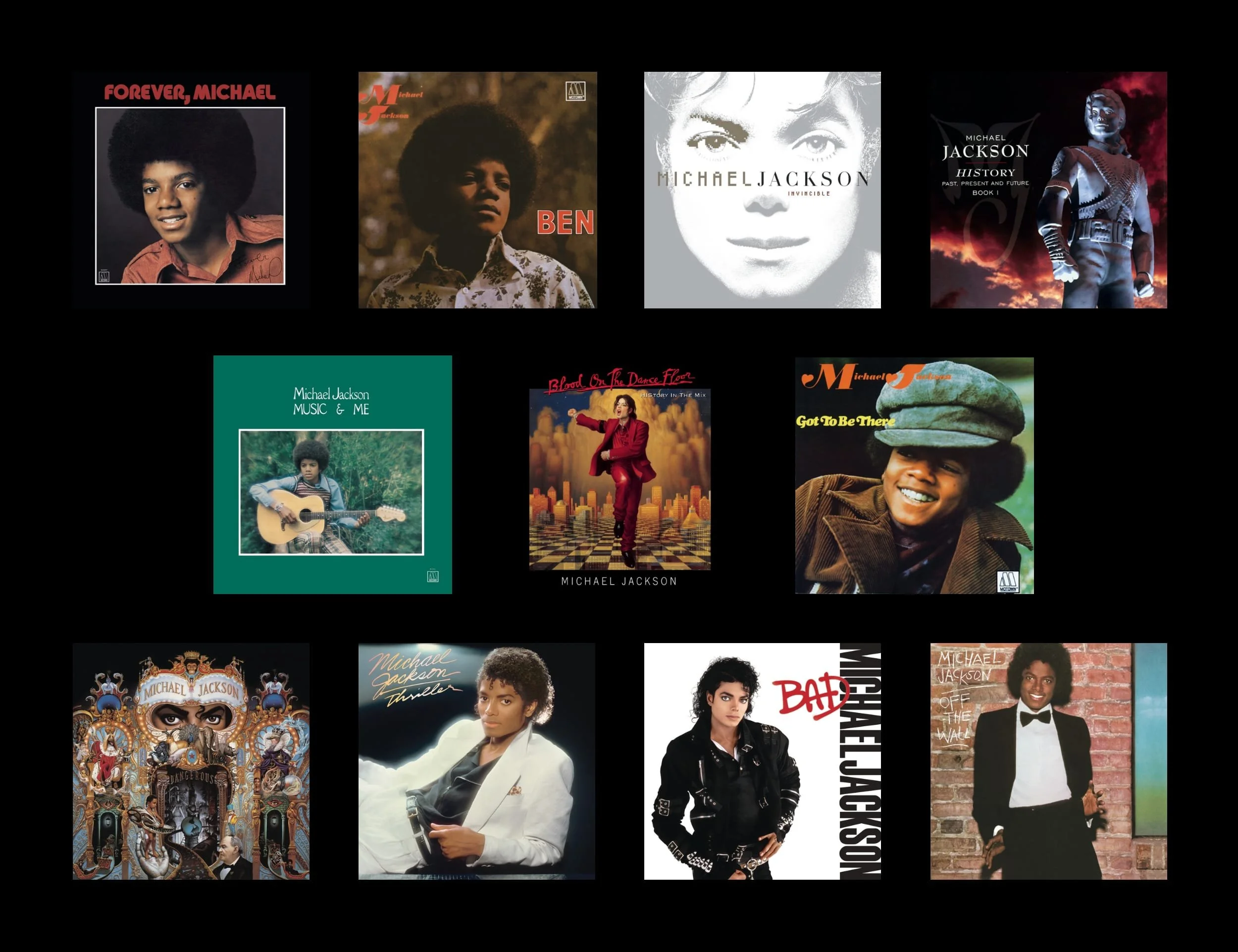
Few artists in recorded music history have experienced the kind of transformation that defined Michael Jackson’s career. From a child prodigy to a global icon, Jackson’s musical journey is not only one of commercial dominance but also one of artistic growth, which can be traced throughout his studio albums, particularly his solo releases. While the world often focuses on the spectacle, the mythology, and the unprecedented fame, it is within the albums themselves where his true genius resides.
Beginning with his early solo work in the 1970s, Jackson’s initial recordings showcase a young performer finding his voice, with a natural talent well beyond his years. While the material itself was often beyond the scope of Jackson’s lived experiences, these early Motown recordings provide an essential foundation that captured the emergence of an artist destined for greatness.
The turning point, of course, arrived with Off The Wall, an album in which Jackson had greater creative control as co-producer alongside Quincy Jones. From that release onwards, each subsequent record would not only redefine his sound but also reshape the landscape of popular music. Whether through the genre-defying brilliance of Thriller, the polished confidence of Bad, or the darker, more introspective tones of Dangerous, Jackson continually pushed the boundaries of what a pop album could achieve.
Yet, much like any artist with a career of this magnitude, not every release resonates in the same way. HIStory - PAST, PRESENT AND FUTURE - BOOK I had its fair share of controversy and broke with tradition as the record was front-loaded with a killer greatest hits release. The 1997 follow-up BLOOD ON THE DANCE FLOOR/ HIStory In The Mix, followed a similar path with five new studio recordings opening the album and eight remixes from the 1995 release, HIStory. While some may question the validity of including these compilation releases into this ranked album list, particularly BLOOD ON THE DANCE FLOOR/ HIStory In The Mix, as it is comprised more of remixed material than original compositions, to overlook this release would be illogical, for it’s a hidden gem and includes some incredible recordings.
No matter which order you rank Michael Jackson’s albums in, each has their own soul with some feeling like statements of intent and others like reflections of circumstance. What remains consistent, however, is the unmistakable presence of Jackson’s artistry. His attention to detail, his instinct for melody, and his ability to create music that connects on a global scale was unprecedented and is unlikely to be repeated.
With all that in mind, ranking these albums is no easy task. It would be simplistic to rank the King of Pop’s albums by their critical acclaim and associated sales successes, but here at Subjective Sounds, that kind of ranking is not only lazy but fails to take into account the true brilliance of Jackson’s recording career; a career that did not creatively peak with Thriller.
What follows is a celebration of an incredible catalogue of music that not only defined pop music, and the associated eras, but also impacted and influenced every corner of the music industry with a gusto that can still be heard in numerous modern recordings.

11. Forever, Michael (1975)
Forever, Michael would be Michael Jackson’s final album with Motown, and while it’s solid in its execution, it feels more like a transitional release rather than a defining statement. It wouldn’t be far-fetched to suggest that Forever, Michael was one of those albums required to fulfil contractual obligations, as the difference between this 1975 release, and Jackson’s next solo reissue on Epic Records, Off The Wall (1979), is mind-blowing. Granted, in the years between releases, and with more creative control and input, the music was bound to change, but the difference is the very definition of night and day.
Nevertheless, by this point, Jackson’s voice had matured, bringing a greater sense of depth and control to his performances. This evolution is evident throughout the album, with tracks that hint at the stylistic direction he would later pursue as well as a growing confidence in his delivery.
However, as a complete work, Forever, Michael lacks the standout moments, and overall cohesion, needed to elevate it within his catalogue. The material, while enjoyable, doesn’t leave a lasting impression, and the album as a whole feels overshadowed by what would come next and is far from an essential listen.
Check out the full album on Apple Music.
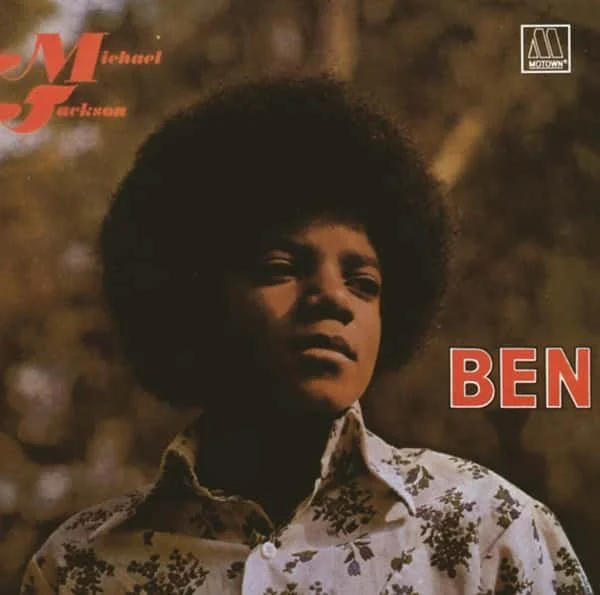
10. Ben (1972)
Ben, as Jackson’s second solo studio album, builds upon the foundation laid by his debut, delivering another collection of soul-infused pop that showcases his remarkable vocal ability at such a young age. While it doesn’t quite reach the same level of consistency or fluidity as Got To Be There (1972), it still offers moments that underline his immense potential.
The album is, of course, best known for its title track, a song that became one of Jackson’s earliest signature tunes, but for the most part, Ben follows a familiar formula, combining covers with original compositions in a way that was typical of the era.
While competently produced and performed, much of the material lacks the distinct identity that would later define Jackson’s work, resulting in an album that feels less essential when contrasted with his other 70s output.
Still, there’s an undeniable charm to Ben. It captures a moment of growth, offering glimpses of the artistry that would soon flourish. Though it ranks lower here, it remains a noteworthy release in Michael Jackson’s back catalogue.
Check out the full album on Apple Music.

9. Invincible (2001)
Invincible is, arguably, the most divisive release in Michael Jackson’s solo catalogue. It’s sprawling and ambitious, and while that isn’t without merit, it ultimately lacks the cohesive nature that defined his greatest works. The album isn’t let down by its songwriting or production qualities, but it’s the excessive length and inconsistent stylistic direction that culminate in a listening experience that feels more fragmented than focused.
There’s no denying that Invincible contains a wealth of strong material. Tracks like “Break Of Dawn,” “You Rock My World,” and “Whatever Happens” highlight Jackson’s enduring ability to craft engaging, emotionally resonant music, while moments of experimentation hint at an artist still willing to push their creativity beyond expectations. Yet, in a cruel dichotomy, it’s this creative exploration that comes at the expense of fluidity, for the abrupt shifts between upbeat tracks and ballads disrupt any sense of continuity.
Where albums like Off The Wall (1979) and Bad (1987) thrived on precision and conciseness, Invincible resembles a collection of ideas rather than a fully realised artistic statement. Still, despite the inconsistent nature of the album, there are flashes of brilliance and, for anyone willing to engage with its peaks and valleys, there is plenty to appreciate with this release, his final studio album.
Check out the full album on Apple Music.

8. HIStory - PAST, PRESENT AND FUTURE - BOOK I (1995)
HIStory: Past, Present and Future, Book I was one of Michael Jackson’s most ambitious and personal releases. Presented as a double album that juxtaposes an incredible Greatest Hits compilation with a bold collection of new material, this unconventional release offers a revealing and confrontational look at the man behind some of the most memorable music to have ever been recorded.
The album’s original material, aptly titled HIStory Continues, showcases Jackson at his most direct and unfiltered as he delves into themes of media scrutiny, personal struggle, and resilience, amongst others. Tracks like “Scream,” “They Don’t Care About Us,” and “Earth Song” carry a weight and intensity that sees even more of a shift toward socially conscious storytelling with an emotionally charged tone.
HIStory Continues has much to offer, yet I find myself listening to the compilation disc far more than the new studio tracks. They’re just not as musically strong as Jackson’s previous works and, therefore, fail to captivate me as much as his 1979-1991 material does. With over two and a half hours of music on this particular release, it seems inevitable that the new material would get somewhat overlooked, for as good as it is, only a few tracks come close to being as noteworthy as the songs that are included on the compilation disc.
Check out the full album on Apple Music.

7. Music & Me (1973)
Music & Me is a gentle and understated entry in Michael Jackson’s early solo catalogue, as it leans heavily into balladry and traditional pop arrangements. While it may not possess the standout moments of his strongest Motown releases, it offers a consistent and easy listening experience that highlights the purity of his voice during this formative period.
The album’s strength lies in its simplicity. Rather than aiming for innovation, it focuses on melody and vocal delivery, allowing Jackson’s natural talent to take centre stage. There’s a warmth to these recordings that reflects both the era and the production style, resulting in a sound that feels intimate and sincere.
While there isn’t a memorable standout tune, per se, Music & Me tends to have a series of songs that blend together, resulting in an album that is pleasing on the senses but rarely compels repeat listens. Nevertheless, Music & Me is a modest, yet respectable, release that captures Jackson further developing his identity apart from the Jackson 5.
Check out the full album on Apple Music.

6. BLOOD ON THE DANCE FLOOR/ HIStory In The Mix (1997)
Blood On The Dance Floor: HIStory In The Mix is perhaps the most unconventional record in Michael Jackson’s catalogue, as this hybrid release of new material and remixed tracks blurs the line between studio album and companion piece. As a result, it doesn’t carry the same impact as his primary releases, but it offers a fascinating glimpse into a different side of his artistry.
The album’s original songs are where this album truly finds its footing. Tracks like the title song and “Ghosts” deliver the kind of intensity and rhythmic drive that defined Jackson’s ‘80s and early ‘90s output, combining dark tones with infectious production values.
The remix component, which includes eight out of the thirteen songs, is somewhat divisive. While it provides an interesting reinterpretation of previously released material, it lacks the cohesion of a fully fledged studio release. As a result, the album can feel uneven, shifting between compelling new ideas and reworked versions that don’t always add significant value or solidify the album experience.
In an interesting dichotomy, however, I often find myself playing this record more frequently than Disc 2: HIStory Continues from HIStory: Past, Present and Future, Book I (1995). Perhaps it’s a case of liking the new material more and appreciating the remixes. Of course, it could be that this release was launched with less fanfare, thereby preventing fatigue. Whatever the reason, Blood On The Dance Floor: HIStory In The Mix can be appreciated as an extension of HIStory and as a standalone, for it is an intriguing and worthwhile addition to Jackson’s discography.
Check out the full album on Apple Music.
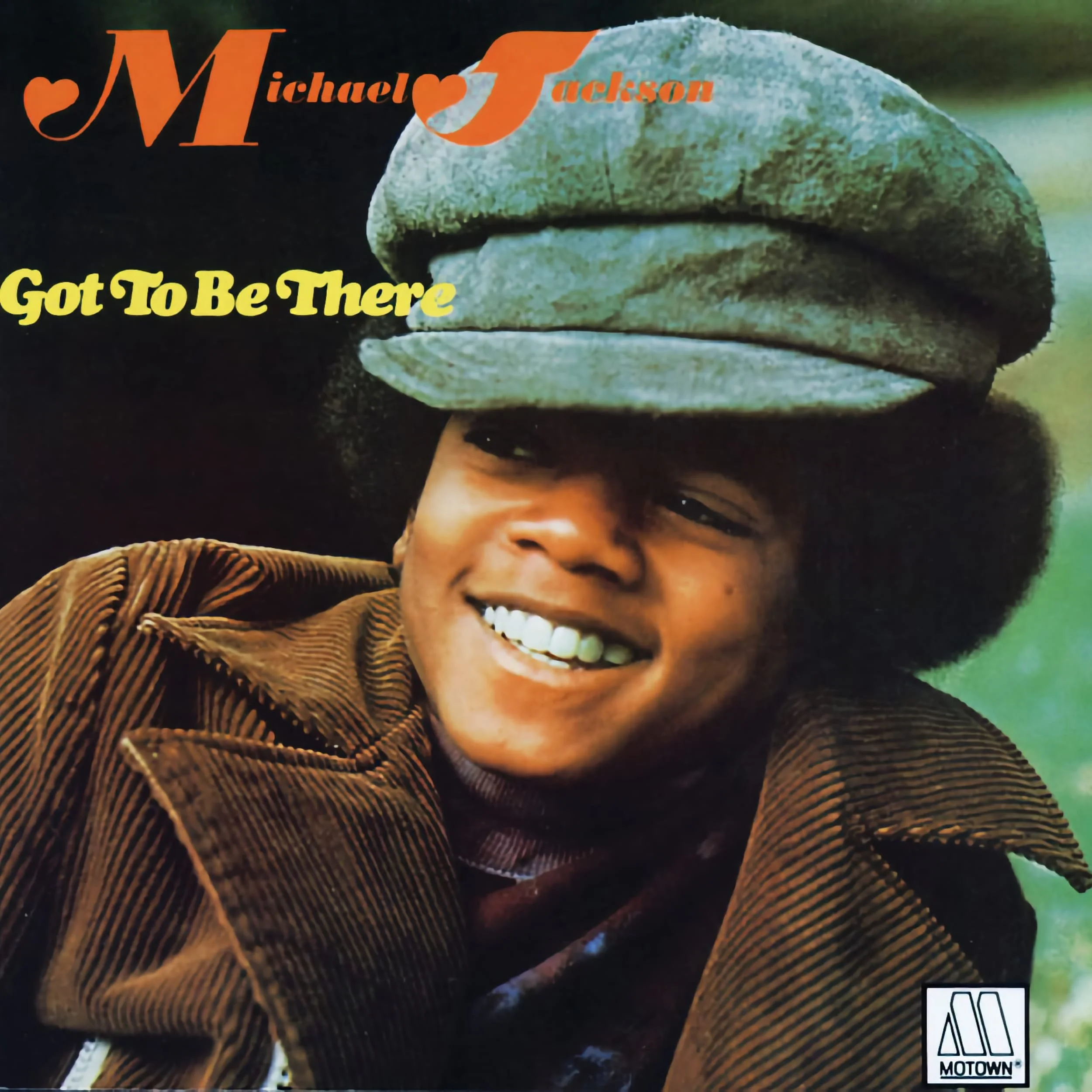
5. Got to Be There (1972)
Got To Be There is a simply remarkable debut release, for it not only introduced Michael Jackson as a solo artist, but hinted at the greatness that was yet to come. More than just a historical footnote, this release is an exceptional and, at times, overlooked record that captures Jackson’s artistry at its earliest and most unfiltered stage.
While still very much rooted in the Motown sound of the era, Got To Be There is a masterclass in production and songwriting, with highly memorable performances. From the opening notes to its closing moments, Got To Be There flows with a sense of warmth and sincerity, blending well-chosen covers with compelling originals.
Even at just thirteen years of age, Jackson delivers a vocal performance that is both controlled and emotionally resonant, one that also provides a strong foundation that he would build upon throughout the years and subsequent solo releases.
Got To Be There is an underrated gem and is deserving of far more recognition than it often receives, both within Jackson’s catalogue and in a broader musical sense. While his later releases would redefine popular music, Got To Be There was where the solo journey began, with a debut that remains timeless.
Check out the full review for a more detailed overview of Got To Be There.
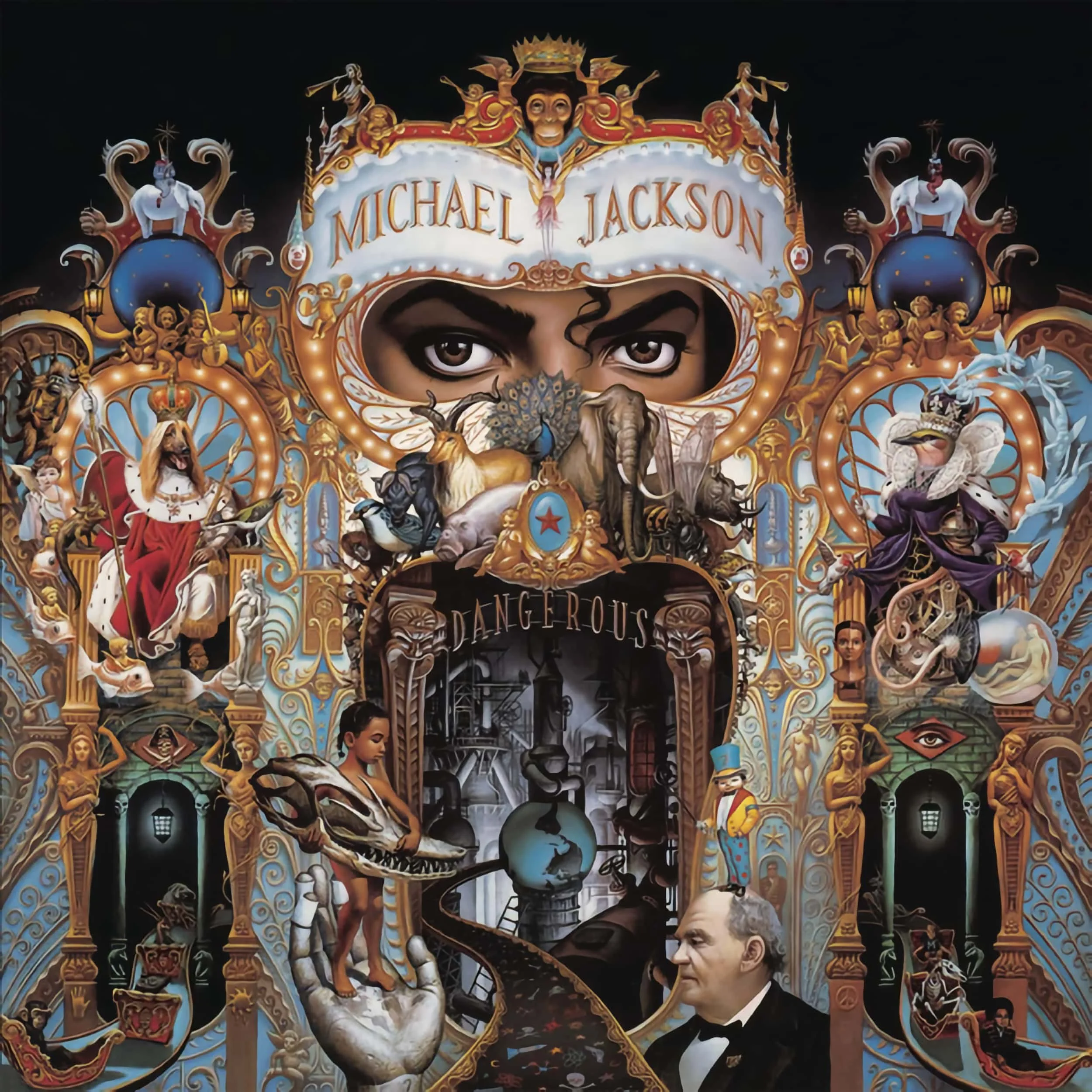
4. Dangerous (1991)
Dangerous is one of the most significant turning points in Michael Jackson’s career, as it sees him stepping beyond the familiar and embracing a new sonic identity. Released at a time when popular music was shifting, this record finds Jackson leaning heavily into new jack swing, blending it with his signature pop sensibilities to create a sound that is both contemporary and distinctly his own.
Expanding beyond the concise structure of his earlier works, Dangerous delivers a broader, more immersive listening experience, one that explores themes of fame, social injustice, and personal introspection. Tracks like “Black Or White,” “Remember The Time,” and “Heal The World” showcase Jackson’s versatility, moving seamlessly between high-energy anthems and more reflective, message-driven material.
However, like some of his later releases, Dangerous occasionally suffers from its length. While the quality of the material remains high, the album’s extended runtime can impact its overall tightness, an aspect that had been a cornerstone of Jackson’s prior works. That said, the depth and diversity of this release ensure that it remains a rewarding listen for its scope and ambition more than justify its place amongst his finest works.
Check out the full album on Apple Music.

3. Thriller (1982)
Thriller remains Michael Jackson’s most iconic and culturally significant release. Its impact is undeniable, particularly from a sales perspective, but Thriller captured the zeitgeist like no other album ever had, or likely ever will again, thereby placing Thriller alone as a true global phenomenon.
Yet, when viewed strictly as an album experience, it doesn’t quite reach the same level of cohesion as Off The Wall (1979), nor does it live up to the energy and consistency found on Bad (1987). Once you move beyond the undeniable brilliance of its landmark singles, “Billie Jean,” “Beat It,” and the title track, the deeper cuts don’t always maintain the same fluidity across the record. That said, even at its most uneven, Thriller is still a masterpiece, offering a diverse and engaging listen from start to finish.
While Thriller may not, subjectively, be Jackson’s most cohesive or complete album, its legacy is unparalleled. A groundbreaking, era-defining release that remains essential listening as it’s one of the most important albums ever recorded, particularly from 1982.
Check out the full review for a more detailed overview of Thriller.
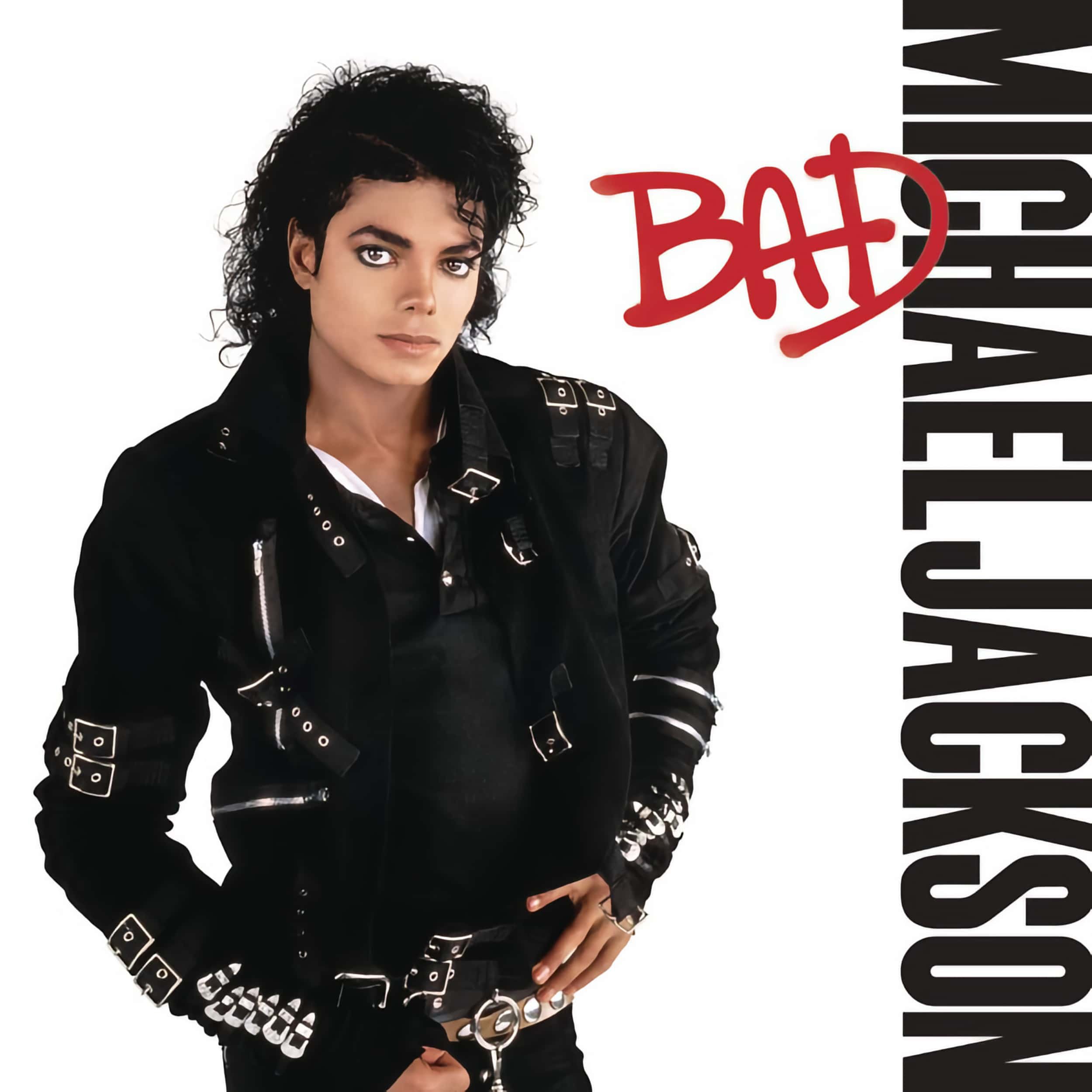
2. Bad (1987)
There is little doubt that Bad is one of Michael Jackson’s most defining and fully realised creative works and, in many respects, surpasses the shadow cast by Thriller (1982), for it offers a far stronger and cohesive album experience than its predecessor. It also, arguably, represents the pinnacle of Jackson’s collaboration with Quincy Jones, a creative partnership that yielded not only immense commercial success but some of the most meticulously crafted music ever recorded.
While it may not have reached the unprecedented heights of Thriller, Bad thrives on its versatility and confidence. It’s a record that sees Jackson pushing further into new territory, blending Pop, Funk, R&B, and Rock with more remarkable precision than ever before, all while presenting a more assertive and mature artistic identity. From the bombastic energy of the title track to the undeniable brilliance of “Smooth Criminal” and the emotional weight of “Man In The Mirror,” Bad plays like a greatest hits collection, as there isn’t a B-side to be heard and is amongst the greatest albums released in 1987.
What ultimately sets Bad apart is its production qualities, for it's pristine, the performances are faultless, and the songwriting is consistently engaging throughout and amongst the greatest Jackson ever wrote. The result is that Bad is more than just a follow-up to a highly successful album, for it’s bold, confident, and endlessly replayable and further cements Jackson’s artistic legacy as one of the greatest artists to have ever lived.
Check out the full review for a more detailed overview of Bad.

1. Off the Wall (1979)
Taking out the top spot, Off The Wall is not only Michael Jackson’s greatest album, but his most complete and musically satisfying release. This 1979 masterpiece is tight, purposefully fluid, and entirely devoid of filler. Blending Disco, Funk, Pop, and Soul with effortless precision, it captures Jackson at the exact moment where talent, creative freedom, and world-class production converged.
More than just a collection of songs, Off The Wall is a cohesive album experience, one that flows seamlessly from start to finish while maintaining a level of consistency rarely matched in popular music. It’s vibrant, immersive, and endlessly replayable, offering both infectious energy and genuine emotional depth. While later releases would achieve greater commercial success, none surpass the musical purity found on this release.
Simply put, Off The Wall is a benchmark, not just within Jackson’s catalogue, but across the broader landscape of recorded music and is one of the best albums released in 1979.
Check out the full review for a more detailed overview of Off The Wall.