Viewing entries in
'70s

Elton John – Honky Château (Album Review)

Elton John – Honky Château (Album Review)

Honky Château, despite being a chart-topping success, remains one of Elton John’s most underrated records of the 70s, even with the immense popularity of “Rocket Man (I Think It's Going to Be a Long Long Time)”. Positioned between Madman Across The Water (1971) and Don’t Shoot Me I’m Only The Piano Player (1973), this 1972 release, Elton John’s fifth studio album, sees Elton John experiment with rock, pop, jazz, country-rock, and touches of funk. The result is a diversely pleasing album that becomes more appealing with repeat listens.

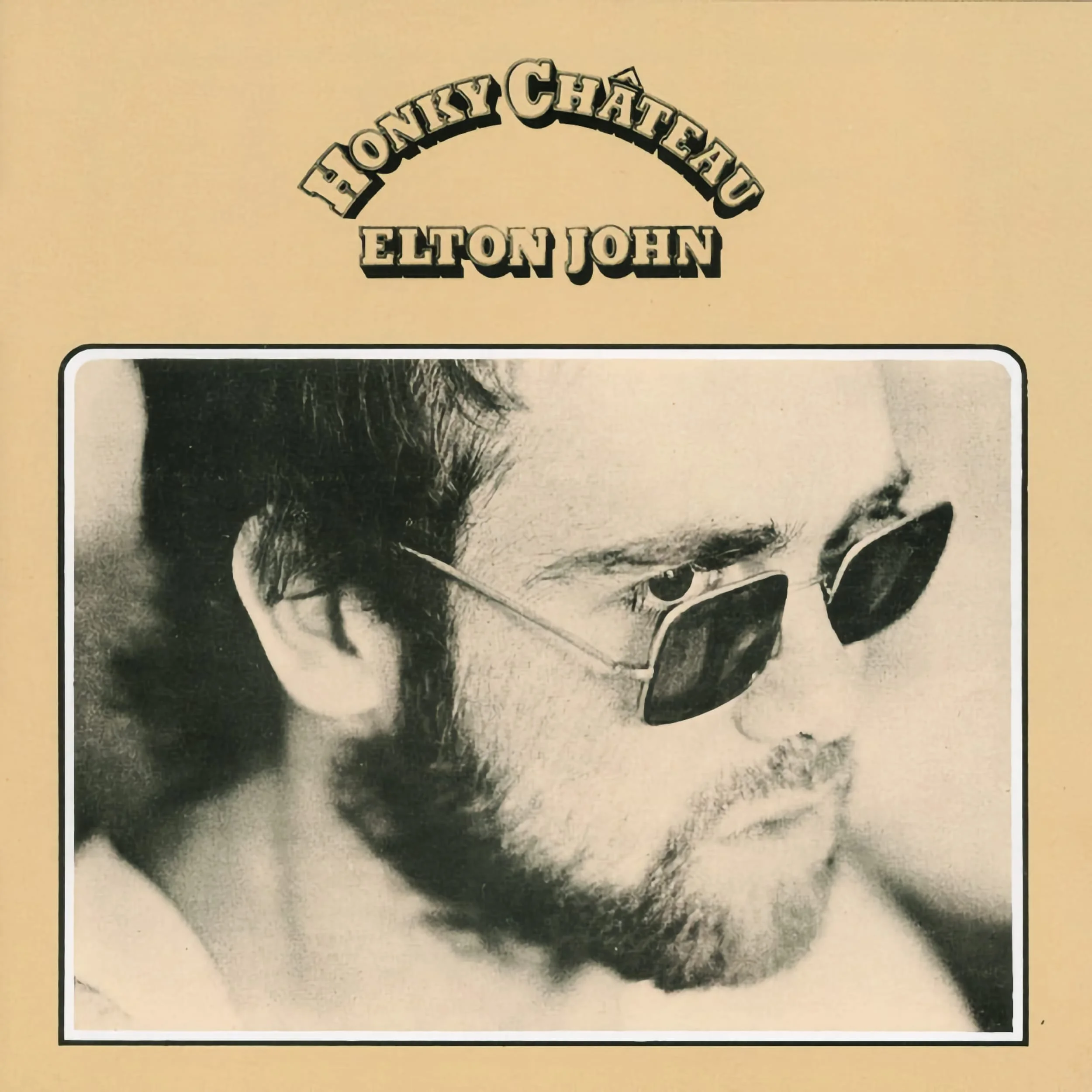
What isn’t as pleasing is the album’s artwork, for Honky Château is amongst Elton John’s least intriguing, as it fails to offer a mystique or represent the somewhat playful nature of the music contained within. The chosen artwork, for the 50th Anniversary Pink & Yellow Splattered edition, is much more desirable as it offers a better visualisation of the tone of the album.

While Honky Château has incredible songwriting, performances, and overall production values, there are, arguably, too many different masterings available, all offering slight variances in the album’s tonality and sonic clarity. While going through every master goes beyond the scope of this review, I will say that I feel the 1995 remaster remains superior to the 2017 remaster that is available via the 50th Anniversary Edition. My reasoning is twofold. Firstly, from a purely subjective standpoint, it is the version of the album I am most familiar with. Secondly, as it pertains to the Lossless Apple Digital Master, from Apple Music, it’s lost the sonic sparkle in the top end of the audible spectrum, instead focusing on a mid-to-low end range. That chosen styling adds a little oomph, yes, but it also muddies the clarity of the recording. Of particular note is the near-loss of "Legs" Larry Smith's tap dance on I Think I'm Going To Kill Myself via the 2017 remaster. While one can still thoroughly enjoy the music, and some may even prefer the new remaster, it’s best to give them both a listen and decide for yourself.

Honky Cat has a lively funk-jazz feel and is an ideal album opener. Its strength lies in the song’s compelling composition, and despite being initially straightforward, if you take the time to listen to the mix and the varying sonic elements contained throughout, you’ll undoubtedly come away amazed, as Honky Cat is a real humdinger.

Mellow, as the name implies, slows the tempo slightly, but its mellow styling is pure genius as the song is not only exceptional, but if Honky Cat was New Orleans jazz-club inspired, Mellow would be ideal in any piano bar with it’s laid back and relaxed approach.

I Think I'm Going To Kill Myself returns the album to the upbeat tempo and is one of the most appealing and memorable songs from the record. Its tongue-in-cheek lyrical approach may cause division amongst listeners, but it offers a different perspective when discussing a serious and sometimes controversial topic. That can be especially true when you consider the era in which Honky Château was released, for issues relating to suicide, or suicidal thoughts and mental illness, were somewhat taboo and not spoken about as freely as they are in the modern era.

Susie (Dramas) is a thoroughly enjoyable album-only tune. You likely won’t find yourself returning to the album specifically to listen to this song, but it’s got a compelling rhythm that will get you toe-tapping and head-bopping throughout. There is a standout, however, and that is Nigel Olsson’s drumming for it’s some of the very best on any Elton John release.

Rocket Man (I Think It's Going To Be A Long Long Time) is one of the greatest songs ever recorded and a trademark for Elton John. If you’re not singing along to the chorus, even in your mind, you’re listening wrong, for “Rocket Man” is an absolute masterpiece.

Salvation is a beautiful song and a hidden gem.

Slave is a killer tune, but John’s vocal delivery (and the overall musical styling) is simply too reminiscent of The Rolling Stones to make it purely original.

Amy picks up the toe-tapping, head-bopping, groove and is perfectly positioned within the album’s linear structure, but it’s most certainly an album-only number that is unlikely to be anyone’s favourite.

Mona Lisas And Mad Hatters is simply magnificent and should have been released as a single, for I dare say it would have been a chart-topper. While it has made its way beyond the constraints of Honky Château, onto career perspective releases, “Mona Lisas And Mad Hatters” remains somewhat of a deep cut in Elton John’s extensive catalogue, but a highly memorable one that will see you coming back to the album time and time again just to hear this classic tune.

Hercules closes out the album in the same way it started, with an upbeat number. While it’s a great song, and most certainly encourages me to play the record again, I can’t help but wish that “Mona Lisas And Mad Hatters” had been the album closer, for the compelling nature of that song, along with the relaxed styling, would have ensured it was a quintessential closer; one that also allows for contemplation of the music that’s just been heard.

From start to finish, Elton John’s Honky Château delights. The songs, for the most part, have an upbeat vibe, but it’s the incredible songwriting and layered compositions that really make Honky Château memorable within Elton John’s vast body of work. While many will be drawn to the album for the hits, “Rocket Man” and “Honky Cat”, Honky Château is far more than a collection of songs; for the more you listen to it, the more you come to appreciate this humble release, one that could very well be considered Elton John’s greatest musical achievement.
Deep Purple – Machine Head (Album Review)

Deep Purple – Machine Head (Album Review)

There are hard rock albums, and then there is Deep Purple’s Machine Head; perhaps the greatest heavy metal album of the ‘70s, or of all time.

Yes, dear reader, that is a bold statement, but Machine Head is no ordinary record, for it not only sees the English rockers at the peak of their creativity, but its blistering musicality knows few peers, for it laid the groundwork for heavy metal, and is akin to what one would expect from a greatest hits release. In essence, few albums have defined a genre as much as this one; it has inspired generations of musicians and remains a reference point for what a hard rock album should sound like.

Released in 1972, Machine Head is the sixth studio album from Deep Purple and featured the second lineup of the band: Ritchie Blackmore (guitars), Ian Gillan (vocals), Roger Glover (bass), Jon Lord (keyboards), and Ian Paice (drums). While fans will likely argue over their preferred lineup, it’s impossible to deny just how strong this Mark II lineup was, for their output is otherworldly.

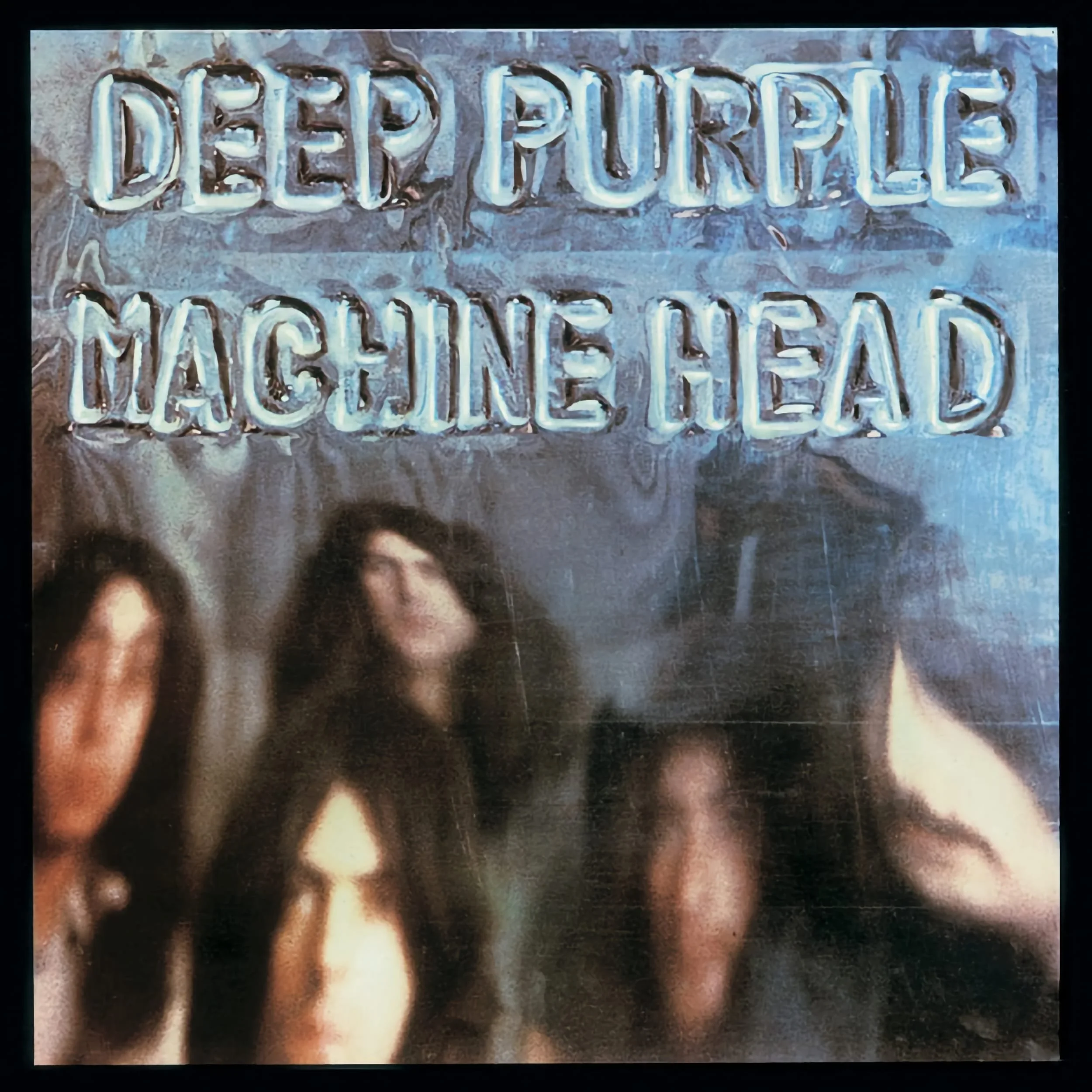
Of course, it isn’t just the music that demands one’s attention, as the album artwork and blurred band image is utterly perfect, aligning ideally with the metal-based music that’s contained within the record. There is, however, an alternative cover art design, but we shouldn’t speak of it as it’s the most pedestrian of covers with the band sitting in the studio, looking downright bored with themselves. To think that the record label would reissue such a landmark release with this artwork, for the album’s 25th Anniversary, leaves me speechless; it really does.

As it pertains to the sonic quality of the lossless Apple Music stream, an Apple Digital Master, it’s sensational. You’ll be rocking out with your air guitar and forgetting about the worries of the world as the music melds with your soul; an aspect that, should you allow it to, will intertwine with your subconscious and never let go. Sounds scary? It isn’t. It’s a gift from the rock gods themselves.

Every aspect of the recording is stunningly presented and preserved with no glaring issues to report. It is so sonically pleasing that I can’t see the benefit of picking up a physical release; aside from the ownership and tactile aspects, that is. Yes, there are lauded after surround sound mixes, all of which are interestingly absent from Apple Music, but that’s okay because this fan prefers stereo editions, especially when they’re done this well.

Highway Star is an anthem-styled rocker that’s a perfect opener for this incredible release. From the uptempo riff to the soaring guitar solos to Gillan’s masterful vocal presentation, “Highway Star” never ceases to amaze, yet the album has only just begun, and it continues to get better. It’s as if Deep Purple set out to prove they were the fastest, tightest, and loudest band on the planet, and they delivered.

Maybe I'm A Leo is a masterpiece and, in my subjective opinion, is the greatest song not only from this album, but that Deep Purple has ever recorded. It’s attitude-driven blues-based rhythm is off-the-charts and perhaps it’s a blessing in disguise that outside of the album, “Maybe I’m A Leo” is less well-known, for as much as I adore “Smoke On The Water”, it has been played to death over the years, yet “Maybe I’m A Leo” has a fresh feel to it.

Pictures Of Home is a thoroughly enjoyable album-only number, complete with the sonic cues that Deep Purple are renowned for. While it most likely isn’t at the top of anyone’s list, as it pertains to the songs that bring them back to Machine Head time and time again, it’s more than a solid tune that flows well within the album’s linear structure.

Never Before brings the funk, with a killer introduction that leads seamlessly into one of Deep Purple’s most compelling songs. There’s little wonder as to why it was released as a single, for its straightforward hard rock approach meant that it was easily accessible (think radio-friendly), particularly beyond the band’s core audience.

Smoke On The Water may well be one of the greatest songs ever written, with a riff that is nothing short of legendary, but it still doesn’t trump “Maybe I’m A Leo” despite it being amongst my favourite songs from the band. No, I’m not trying to be controversial with that statement; it’s just my subjective truth as “Smoke On The Water” has been overplayed, and if it were not for the trademark riff and associated heavy groove, it would be a solid, but not exceptional, rocker.

Lazy is a wonderfully distorted composition akin to a jazz band’s jam session, but with Deep Purple’s blues-based hard-rocking flair. While some may lament the song’s length or the indulgent nature of the tune, when Deep Purple has such incredible music, as heard on Machine Head, let alone their other albums, one can accept a somewhat experimental tune that sees the band not only explore their artistry but also their cohesion with each other. Had it not been for songs like this, the wonderfully expansive and expressive Made In Japan may not be the celebrated recording it is.

Space Truckin’ flows seamlessly from “Lazy” but adds a little more energy and a darker vibe. It’s so compelling that if you don’t find yourself putting “Space Truckin’” on repeat, you’ll most certainly feel compelled to play the album again, for Machine Head will keep you immersed for hours.

From start to finish, Machine Head is a literal masterpiece that is not only Deep Purple’s most successful release, but is also amongst the most influential albums of all time. Artists such as Metallica, Iron Maiden, and Van Halen have cited Deep Purple as an influence on their music, and one can understand why, as the songwriting, performances, and overall production are textbook examples of how to produce a legendary release, one that has not only stood the test of time but will exist for millennia.

Cymande – Cymande (Self-Titled) [Album Review]

Cymande – Cymande (Self-Titled) [Album Review]

Released in 1972, the self-titled debut, Cymande, offers a brilliant blend of funk, jazz fusion, soul, and reggae that will appeal to just about any music lover; if they’ve heard of the band, that is.

Yes, dear reader, had it not been for my ongoing project: Exploring the history of recorded music; one album at a time, it’s highly likely that I would never have heard of Cymande either. It isn’t that their music is obscure, far from it, but they’ve flown under the radar of what is considered popular music. Yes, funk and jazz-styled music have often existed on the outskirts of the music industry, but given just how exceptional this debut is, it blows my mind to consider that Cymande, the band and the album, were never more popular; they truly are a hidden gem.

It is important to note, however, that Cymande did see moderate success in the United States; it just wasn’t long-lasting, and their single chart performance, while ranking in the Top 50, didn’t venture towards the top of the charts.

Given just how important album artwork was during the early ‘70s, it adds further fuel to the inquisitive fire as to why this release was seemingly ignored by the music-buying public, for the cover artwork is simply stunning and would have looked impressive on the shelves of any record store. This is certainly true when you consider the expanded artwork design continues on the rear cover, an aspect of music’s visual arts accompaniment that continues to be ignored in the streaming era. Thankfully, this aspect hasn’t been lost to the sands of time, for Partisan Records has not only kept the album alive via various vinyl reissues but they’ve remastered it in 2021 and have additionally reissued a CD release with the original gatefold design intact.

Part of the appeal, other than reasons of ownership and expanded artwork, is the magnificent sonic quality of the remastered release. Naturally, I haven’t heard an original release, but as I listen to the CD-quality lossless Apple Music stream, I’m left stunned, for this reproduction is so impressive you’d think it came directly from heaven. While I haven’t been able to find out which specific mastering engineer/s worked on this release, it was done by the team at Abbey Road Studios and is amongst the greatest sonic experiences I’ve ever had.

The sound signature is warm and creamy, but not overly so, as the incredible dynamic range remains intact, thereby allowing the album to sparkle in a way that is non-fatiguing. This is as much a sit up and take notice release as it is a lounge back and chill performance. How much the remaster plays into the remarkable recording and mix is a question that requires further investigation, but all one needs to do is hit play, and I’ve no doubt you’ll be blown away with one of the most memorable recorded musical experiences life has to offer.

While purists may note that the songs “Friends” and “Mighty Heavy Load” are not part of the original album’s linear structure, but added to the most recent remastered CD reissues, I feel these bonus tracks add to the core album experience, rather than detract from it. Plus, and this may just be me, but I’m not smitten with “Rastafarian Folk Song”, and I therefore feel “Mighty Heavy Load” is a much stronger closer.

Zion I is a rhythmic masterpiece and a perfect song to open the album with, as it sets the tone for the entire record. Immediately, you’ll feel your body moving involuntarily to the music, and after listening numerous times, you’ll find your mind melds perfectly with the harmonious vocals in a manner that will fill your soul with joy.

One More slows the tempo somewhat, but it isn’t a jolt to the senses. Instead, you’ll find “One More” akin to a sonic cleanser following the more upbeat “Zion I”. Its gentler mood is so pleasing that you’ll feel as if the weight of the world has been lifted off your shoulders when you listen to this incredible composition.

Getting It Back, much like “Zion I”, has some killer basslines by Steve Scipio that open the track and remain as the song’s backbone, but it’s the tight production, Ray King’s incredible vocals, and Peter Serreo’s tenor saxophone, amongst all other percussive elements, that make “Getting It Back” a standout.

Listen is a masterful tune, one that I’m surprised Quentin Tarantino (Pulp Fiction and Jackie Brown) hasn’t utilised in one of his films. That said, “Listen” is one of the finest songs from the album and is amongst my favourite songs of all time, by any artist, of any era.

Rickshaw is a little edgier than the smoothness heard on “Listen”, but diversity plays well into this record, for there’s never a dull moment, and it’s these contrasting elements that are essential to the album experience. Where “Rickshaw” differs, however, is in it’s free flowing jazz fusion styling, and while it may only be an instrumental tune, the layers of musical elements are something that has to be heard to be fully appreciated as you’ll find yourself immersed in a sonic presentation that is complex, yet appealing, and is never heard the same way twice as your mind will attach itself to different elements of the mix upon each repeat listen.

Dove is pure bliss. Sometimes less is more, but not in this case, for “Dove” is one of the most beautiful tunes you’re ever likely to hear, and it needs the entire 10+ minutes to convey its nuanced emotion.

Bra flows relatively smoothly from “Dove”, and while I maintain that I had not heard of Cymande until very recently, “Bra” sounds awfully familiar. Most likely, that’s due to it being sampled over the years by hip-hop artists, but despite that, where “Dove” needed the extra time to convey the song adequately, I feel “Bra” is a little too repetitive, despite its compelling groove.

The Message is an incredible composition with a funky, uplifting rhythm that will see you moving subconsciously throughout. “The Message” and “Bra” before it were the two songs that made the charts in the United States, yet I don’t consider them the strongest songs from the album, regardless of how much I enjoy “The Message”.

Rastafarian Folk Song is the album’s original closer, but the spoken word opening, regardless of paying homage to Rastafarian culture and heritage, takes listeners out of the musical flow. Once the song gets going, however, it’s catchy, appealing, and enjoyable.

Friends is a fluid, jazzy number that has some killer sonic hooks and is an admirable bonus track that is most certainly worthy of inclusion and has been strategically positioned, for “Mighty Heavy Load” is, in my opinion, an ideal closer for the record.

Mighty Heavy Load is a little more mellow than “Friends”, but the more laidback and mid-tempo styling allows for time to contemplate and appreciate the music that’s just been heard. Of course, if you’re like me, you’ll find yourself playing Cymande on repeat, for this is one album that can seldom be listened to once.

Few albums are as impressive as Cymande. Its sonic prowess is only amplified by the incredible songwriting, recording, and overall production values, but it’s the unassuming nature of the record, having flown under the radar for so long, that makes this album even more special, for it should have been a landmark release of the ‘70s, one that deserves far more attention than it receives. So, if, like me, you’ve only just come across this incredible release, share this album with a friend or a loved one, for it's too special to keep to ourselves.

Alice Cooper – School's Out (Album Review)

Alice Cooper – School's Out (Album Review)

School’s Out isn’t quite Killer, nor is it Billion Dollar Babies. Still, this 1972 release, the Alice Cooper band’s fifth studio record, is a culmination of everything that came before and a precursor to the incredible music that was on the horizon. Most importantly, however, School’s Out has its own unique qualities that separate it from the other albums in Alice Cooper’s discography, as the combination of glam and hard rock culminated in one of the most rewarding Alice Cooper experiences one can enjoy.

Regular readers may note that I’ve only ranked School’s Out as Alice Cooper’s 15th best studio album, on the Alice Cooper: Albums Ranked (From Worst To Best) list, yet that shouldn’t be seen as a negative aspect, for the only reason it’s ranked in that position is because 14 other Alice Cooper releases are, subjectively, better. It’s a good problem to have, however, as there can never be too much Alice Cooper and with 30 albums to choose from, we’re incredibly fortunate to have such a wealth of incredible music.

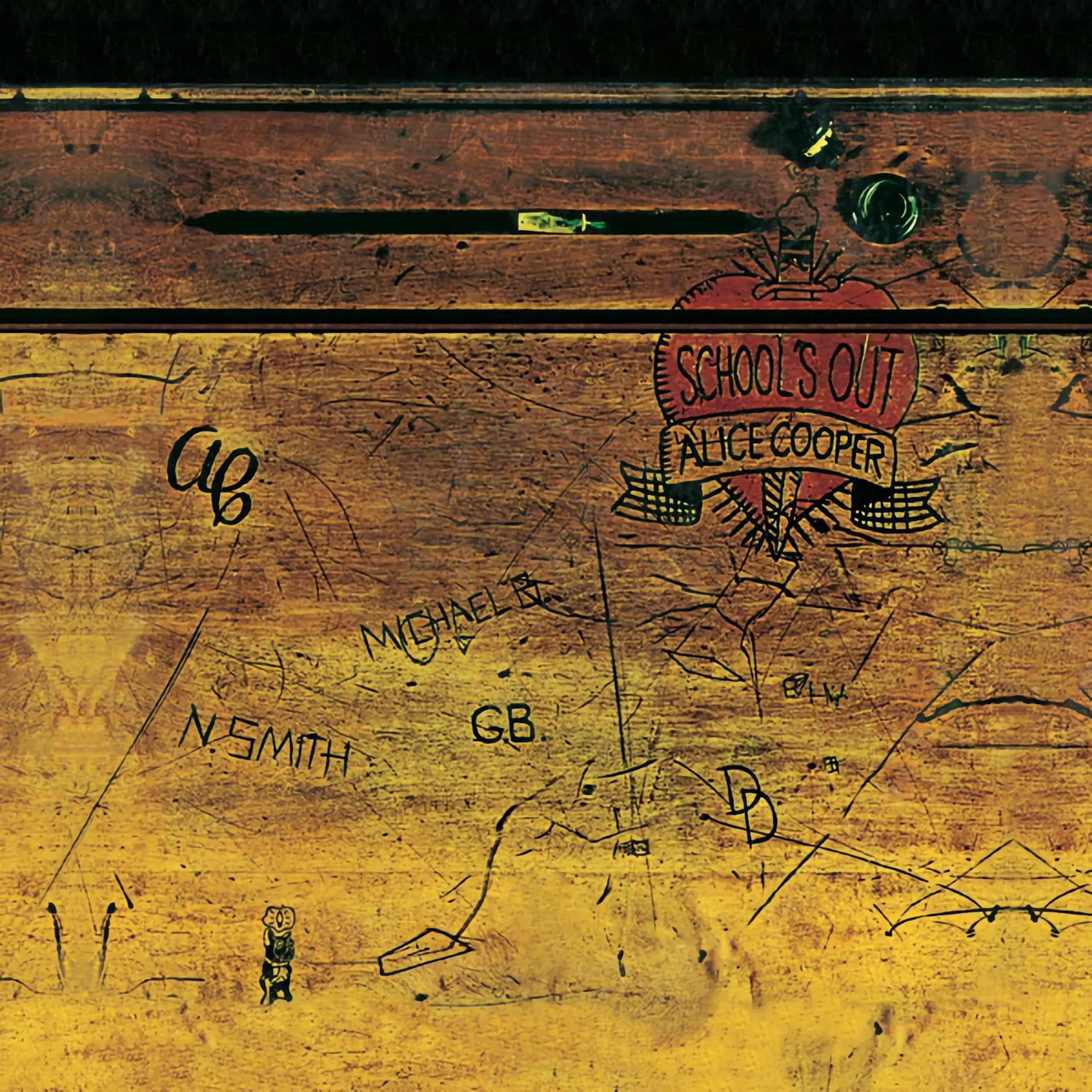
It isn’t only the music, though, as the album’s artwork is legendary. That is, if you’re not listening via streaming services. No matter how technologically advanced streaming services are, the original school desk packaging cannot be replicated. While a CD release has the potential to offer a smaller facsimile of the original artwork, School’s Out is most certainly of its era, and the larger vinyl canvas is the perfect size, thereby allowing the faux desk design to open, revealing the inside of the school desk in the way one might expect. It’s an experience that really needs to be presented in its original intent, panties and all. Yes, dear reader, a pair of panties was included for music lovers to wrap around their record, like a sleeve.

Of course, some don’t care for physical presentations, and I can certainly attest to some of these intriguingly intricate designs being more trouble than their worth, especially as it pertains to easy and fast access to the record. So, for those who wish to simply get the party started, you can’t go wrong with the lossless Apple Music stream, but which edition should you choose?

Thankfully, common sense has prevailed, and rather than completely replacing the prior CD mastering, from 2004, it was kept alongside the 2023 remaster; a version of the album that simply doesn’t sound right. Granted, I’ve been listening to the older mastering for decades, but in providing a bolder presentation in both the low and midrange, the sparkle of the recording has been lost in this most recent remastering.

While it could be suggested that the 2023 remaster brings the album up to modern-day standards, the bigger problem (unrelated to this release) is the absence of tone controls on modern stereo systems. No, I’m not talking about EQ settings, for that is a different beast entirely, but bass and treble dials that once adorned every piece of stereo equipment and would allow the listener to dial the sound to their preferred tonal preferences. These days, more than ever, mastering engineers need to appeal to the masses. While EQ settings, especially ones that offer full control, rather than a set of presets, are incredibly useful, sometimes adjusting the bass up a notch and the treble down by one can achieve the desired result. In many respects, while I can appreciate the 2023 remaster, I dare say that an adjustment to one’s tone controls (or EQ) would yield a similar result and would be fully customisable to an individual’s taste (artistic intent, be damned).

All that said, I do prefer the rawness of the earlier digital reissue as I find it aligns well with the band’s raw production qualities. So, with that in mind, take a listen as we explore the songs that make up this timeless masterpiece.

School's Out is synonymous with Alice Cooper, and while it’s not the greatest song from the band (or Alice himself), it has a rebellious quality about it that all of us, regardless of age, can appreciate. In essence, “School’s Out” is a timeless tale that talks to the human need for freedom from that which is required of us. Add to that the legendary glam rock styling, and there’s little wonder as to why this has remained a fan favourite and a mainstay of Cooper’s live performances.

Luney Tune shifts to a more sombre tone, but that isn’t a detraction, as Luney Tune is a darker, yet fun, song that is Alice Cooper 101. No, it was never going to be a standout, but as an album-only song, Luney Tune is a wondrous addition as it adds a sense of theatricality to the record.

Gutter Cat vs. The Jets is, without a doubt, the coolest song from School’s Out. Not only is it showcasing Alice Cooper’s extended and more elaborate styling, in a similar manner to “Black Juju”, but it’s perfectly suited to the era, so much so that it wouldn’t be completely out of left field to suggest that this is a song one may have expected from Elton John. However, it is the overall quirkiness that adds another level of intrigue for it’s akin to a memorable vaudeville carnival-style performance; one that will keep you coming back for more.

Street Fight flows seamlessly from “Gutter Cat vs. The Jets”, but it isn’t really a song. A palette cleanser, perhaps, but as a musical interlude, it’s ideally sequenced.

Blue Turk is a killer tune with a bluesy feel that will appeal to just about anyone interested in a multi-layered musical performance, one which features the legendary Wayne Andre on trombone. Overall, “Blue Turk” is a compositional wonder in and of itself, for the complexity and entire musical performance is extraordinarily compelling.

My Stars is a gorgeous tune and is one that would influence many musicians in the subsequent decades. You can most certainly hear a possible influence of Glen Buxton’s guitar work on Slash’s career, particularly as it applies to his Guns N’ Roses recordings. Beyond that, the song’s melodic hooks captivate, making it an incredible piece of audible art and one of the best rock tunes from the 70s.

Public Animal #9 is an upbeat animal (pun intended). As a playful tune, you’ll find yourself toe-tapping and head-bopping along, and while it isn’t necessarily a standout, the gravelly vocal presence of Alice is utterly perfect on this tune.

Alma Mater has a beautiful introduction, and while the delicate musicality continues throughout, even when the song really gets going, “Alma Mater” is one of the most uniquely different tunes Alice Cooper has ever recorded. It’s reminiscent of The Beatles, and works well in that tip-of-the-hat context, but it’s equally not quite Alice Cooper. Nevertheless, it’s an exceptional song and is one of the best from the record.

Grande Finale is a musical masterpiece and the perfect closer for the record. Yes, it is earworm-inducing, but in the best way possible, as it’s a stunning instrumental composition and ends the album on a high note, bringing together many of the record’s themes in a layered and enveloping sonic presentation.

Few albums are as lauded as Alice Cooper’s School’s Out. In part, that is due to the spectacular original album artwork, for while it can be seen as somewhat of a novelty, it expands the album and offers a perfect counterpart to the music itself. Artwork aside, School’s Out is a raw recording that is perfectly aligned with Alice Cooper’s origins, yet in an interesting dichotomy, it’s well-produced with incredible songwriting and performances throughout. Ultimately, School’s Out is a quintessential album experience and is one of the greatest releases from the band.

Alice Cooper – Billion Dollar Babies (Album Review)

Alice Cooper – Billion Dollar Babies (Album Review)

Released in 1973, at the height of the Alice Cooper band’s creativity, Billion Dollar Babies remains a landmark sixth studio album, one that captured the band’s daring blend of rock with biting social commentary and has remained amongst their most beloved. Building upon the shock rock foundation of their earlier records, Billion Dollar Babies provides a spectacular contrast, as this release bursts with confidence and the highest of production values, both of which pushed the boundaries of mainstream rock in the early 70s.

Speaking of the production quality, Billion Dollar Babies is impressive. Every aspect has been well considered, with the artwork being just as important as the music itself. Those who stream or purchase digital downloads may not be aware, but the artwork design was next-level as it was presented as a wallet gatefold featuring a billion dollar note, amongst other interesting liner note elements, such as the band being dressed in white playing with bunnies, a whole pile of money, and a baby doll so unsettling it could give Chucky nightmares. It really is something to behold as you listen to this masterful production, one of Bob Ezrin’s greatest with the band.

One of the more confusing aspects for fans, however, is the plethora of available releases. There are reissues with bonus tracks, live performances, and surround sound mixes that give one a sense of fulfilment. That is, until you find yourself faced with which version to obtain or play. Choice is a good thing, they say, and while that may be true, to an extent, all I truly want these days is the original album in its entirety. All the bonus material may be fine from a completist perspective, but if we’re being honest, most of us would only listen to the bonus material once or twice.

Of course, the Quadraphonic edition, including the 2023 reissue, is another beast entirely, as is the unique 5.1 Surround Mix found on the 2001 DVD Audio release. As I’ve yet to hear any of the surround mixes, and therefore can’t comment further, may I suggest you head across to Quadraphonic Quad, for their community members are extremely well versed in any and all surround sound releases, including this landmark record.

Interestingly, with Apple’s push for surround mixes, one would have assumed that we would see it land on Apple Music, but it has yet to be delivered by Warner Records Inc., despite the 50th Anniversary Deluxe Edition showing up, in stereo, on the streaming platform. Nevertheless, it’s one less option to have to choose from, which is somewhat of a relief.   

While I’ve been fortunate to have owned the Deluxe Edition from 2001, and that version is still available via Apple Music, it remains my go-to as it simply sounds right. While I have nothing truly bad to say about the 2023 remaster, I find the album has lost a bit of its sparkle as the remaster sounds a tad muddy and is too mid to low-end focused with the treble range dialled back considerably. Perhaps modern listeners and new fans will find it appealing, but it’s as if there’s a light blanket that has been placed over the speakers. Let’s just say that it doesn’t sound like the album I know and love, so I’m sticking with the older mastering.

Hello Hooray is a fantastic opener, even though it wasn’t an Alice Cooper original. It is, however, a cover song of a folk tune that was originally recorded by Judy Collins in 1968. Make no mistake about it, though, the Alice Cooper band recorded it, made it their own, and while it is highly subjective, this is the only version worth listening to.

Raped And Freezin’ is a return to the raw, straight-up rock and roll that the Alice Cooper band were renowned for in their early years. With a playful rhythm, compelling guitar licks, and a cheeky tongue-in-cheek lyrical presentation, this is one catchy and energetic number that makes the album-listening experience all the more pertinent, for Raped And Freezin’ was never destined to be a hit, but as an album-only number, it’s exceptional.

Elected started its life as Reflected on their 1969 debut Pretties For You, and as solid as Reflected is, Elected offers some much-needed spit and polish and is the far better of the two recordings. Fortunately, this reimagined tune, with its satirical take on politics and power, has become one of Alice Cooper’s biggest hits and has remained a mainstay of live performances.

Billion Dollar Babies is a magnificent title track and is one of the greatest songs Alice Cooper ever recorded. That introduction is off-the-charts good, and Alice’s snarling vocals are perfectly positioned against Donovan’s smoother high harmonies. It’s musically sharp and driving, and as the album’s centrepiece, it embodies the record’s theme perfectly.

Unfinished Sweet is a monstrously ambitious number with killer guitar riffs, an addictively good rhythm, and some incredibly pleasing vocals. As a mini rock opera, you’ll find it unsettling, humorous, and endlessly entertaining; unless, of course, you have a fear of the dentist. Nevertheless, from the menacing riffs to the whimsical interludes, Unfinished Sweet is a masterpiece in every sense of the word.

No More Mr. Nice Guy is one of the most enduring tracks on the album, for its irresistible chorus, punchy guitars, and the killer rhythmic backing have ensured that it became a staple of both radio and live performances. Even decades later, it remains one of Cooper’s signature songs.

Generation Landslide is an intriguing addition to the album. With its acoustic textures and biting electric riffs that form the core of what could have been a simple rock tune, the additional production elements result in a dynamic and memorable song.

Sick Things is one of the darkest songs on the album and one of the most sinister in Alice Cooper’s renowned discography. The slow, dirge-like delivery and overall macabre atmosphere is sonically gorgeous with a multi-layered presentation that rewards listeners the more they choose to listen to the album, as Sick Things has so many audible elements you’ll be unpacking them indefinitely.

Mary Ann flows seamlessly from Sick Things, but it couldn’t be more opposite if it tried. The piano-driven style, with Alice adopting a delivery more akin to a Barry Manilow performance, feels as if it would be ideal in any jazz club. It’s a great tune, and as one of the shortest on the record, it offers a curious but charming diversion before merging into one of Alice Cooper’s most controversial songs.

I Love The Dead is the magnum opus of Billion Dollar Babies. With tongue planted firmly in cheek, I Love The Dead will most certainly leave a lasting impression. Yes, it’s both horrifying and absurdly humorous, but it’s musically rich and theatrically encapsulates the shock value and dark humour that has defined Alice Cooper’s entire career. If nothing else, you’ll feel compelled to listen to the album again, for Billion Dollar Babies can seldom be listened to once.

Ultimately, Billion Dollar Babies captures the shock rockers at the peak of their creativity. While their other 1973 release, Muscle Of Love, is one of the finest albums the band ever recorded, it takes second place to this masterpiece, as it stands alongside Love It To Death as the very best from the original band lineup. From the shock theatrics to the biting satire, Billion Dollar Babies is as unsettling as it is irresistible, thereby making it one of the greatest albums in all of recorded music history, particularly in 1973.

Black Sabbath – Sabbath Bloody Sabbath (Album Review)

Black Sabbath – Sabbath Bloody Sabbath (Album Review)

By the time 1973 rolled around, Black Sabbath was already a legendary powerhouse with few peers and Sabbath Bloody Sabbath, their fifth studio album, further solidified that position and is, without a doubt, one of their best releases. It’s also fair to say that it was their last great release, particularly from the original lineup. While that’s a subjective take, their subsequent records weren’t as cohesive, complex, or experimental. Add those elements into Sabbath Bloody Sabbath and what you’ve got is an idealistic album structure where every song blends perfectly within the record’s sequencing. Yes, there are standout tunes, but this exceptional release is first and foremost an album experience, one that should be enjoyed from the very first note to the last.

Adding to the exceptional music, the album’s artwork, by Drew Struzan, is stunning. While artwork in the modern era of streaming takes a back seat, the primary music format in 1973 was the vinyl record and artwork such as this was, in many ways, just as important as the music that was contained within. While the Apple Music stream, an Apple Digital Master (derived from the 2009 remastering sessions), sounds extraordinarily good, this is one album that everyone, including myself, should own, as it still eludes my physical music library.

Nevertheless, those of you who prefer a digital or streaming music collection will find much to appreciate in the 2009 digital remaster. Every musical element is perfectly positioned in the mix, and at no time is any aspect concealed, unless that was the intention. Additionally, the punch and power of the 2009 remaster is utterly perfect, meaning that the dynamic energy from the band shines through. It’s one of those times when I dare say that you’ll be happy with the streamed release and won’t feel the need to seek out a physical copy, aside from the lack of immersive artwork via pure digital offerings, that is.   

Sabbath Bloody Sabbath launches the album with one of Sabbath’s greatest and most sinister guitar riffs. It not only sets the mood for the entire album, but is amongst Tony Iommi’s greatest. The thick and thunderous styling ensures this title track is seething with aggression, while the interspersed hypnotic melody culminates in making this one of the most iconic Heavy Metal tunes in recorded music history.

While there’s no shortage of bands that have been influenced by Black Sabbath, if you take a listen to Silverchair’s early recordings, particularly from Frogstomp and Freak Show, you’ll come to appreciate just how much this tune, and Sabbath in general, has changed the course of music history.   

A National Acrobat is a masterpiece with a metal groove that is fuelled by a touch of funk. It is, however, the switching styles throughout that are most notable for the doom-filled riffs ideally meld with the upbeat funky rhythm to give A National Acrobat a thoroughly enjoyable musical bed, one that allows Ozzy Osbourne’s vocals to soar majestically above the mix.

While Metallica would cover Sabbra Cadabra on Garage Inc. in 1998, they melded elements from A National Acrobat with that of Sabbra Cadabra. The result is exceptional, and if you haven’t checked it out, you most certainly should give it a listen as it pays homage to the original songs while making the presentation of both songs uniquely different.

Fluff is one of the greatest tunes ever recorded. A stunningly beautiful instrumental is perhaps the best way to describe it because not only is it Black Sabbath 101, but it’s one of the most musically expressive compositions ever written; one that would stand up against the work of humanity’s most legendary composers. It’s truly remarkable!

Granted, some metal purists may see it as album filler, or a distraction, but don’t ignore this classic tune for it’s essential should one wish to fully understand and appreciate the breadth of Sabbath’s musical prowess.

Sabbra Cadabra is legendary, even though it was Metallica’s killer interpretation from Garage Inc. that would first introduce me to this incredible tune. This edition, however, sees Ozzy’s snarling vocals adjoin the swaggering riff that ensures it’s sonically infectious. The added funk elements further add compelling contrast to Ozzy’s demonic vocals and Bill Ward’s exceptional drumming, complete with dynamic shifts and creative fills, to culminate in one of Black Sabbath’s greatest songs.

Killing Yourself To Live will compel you to get out your air guitar, for this riff-driven number is heavy, brooding, and is perfectly aligned with Sabbath’s overall themes and style. The mix is rather interesting as Ozzy’s vocals are somewhat distant from the musical bed, but it adds to the overall sense of dislocation from societal norms and expectations.

Who Are You? is wonderfully experimental. While some may lament the use of synthesisers, when used as a creative tool to achieve a sound, it can be a benefit rather than a distracting element. That is certainly the case for Who Are You? as Sabbath didn’t overuse the technique. The result is an otherworldly dystopian number that is slightly unsettling but perfectly suited to Sabbath and the album as a whole.

Looking For Today flows perfectly from the darker tone of Who Are You?, particularly considering the song’s upbeat energy and pop-rock styling. Still, again, as with much of the music heard on the album, it isn’t simply a matter of rock and roll, played hard, and turned up to 11, for the layers of musical elements, and associated arrangements, showcase a band at the apex of their creativity.

Spiral Architect closes the album on a lush, string-laden, style that is not only ambitious but feels cinematic in scope. As the song builds, and the riff comes into the mix, Spiral Architect comes into its own and is amongst the greatest songs Black Sabbath has ever recorded. Interestingly, if you’ve checked out the popular Apple TV+ show, Severance, I dare say that you’ll hear a slight correlation to the string element that made it into the television show’s theme.

No matter which way you look at it, Sabbath Bloody Sabbath is a beautifully complex masterpiece and if not their greatest release, is certainly amongst the very best the English rock legends ever released. It has a timeless quality that has transcended the decades but resides in that very special place of being amongst the greatest albums to come out of the 70s, particularly 1973.

Bee Gees – Life In a Tin Can (Album Review)

Bee Gees – Life In a Tin Can (Album Review)

Released in 1973, Life In A Tin Can is one of the Bee Gees’ most overlooked releases. From the moment disco fever took over, following the release of Main Course in 1975, most everything prior to that release was ignored by the broader music-loving public. While no one would ever wish that the Bee Gees hadn’t changed their approach, their earlier releases, with their original styling, are amongst some of the greatest recordings in all of music history. Granted, one really can’t take Life In A Tin Can seriously with its downright dorky album artwork, but it’s one of the Bee Gees’ greatest releases in their pre-disco era.

Life In A Tin Can is, ultimately, intriguing for as much as it builds upon the band’s origins, it incorporates more country and soft rock elements as the Gibb brothers embraced a more Americana style for this particular release. While some may lament that aspect, the shift in styling works remarkably well and in many respects, just as Mr. Natural can be seen as a further precursor to the band’s shifting sonic styling, Life In A Tin Can was vital to the evolution of the Bee Gees. Yes, we all want our favourite artists to keep pumping out the same music that first drew us to them, but when you have the creative genius of the brothers Gibb, to expect them to restrict themselves to a single style is incredibly short-sighted.

Sonically, Life In A Tin Can is masterfully recorded with no glaring issues to mention. Similarly, the Lossless edition, via Apple Music, offers a thoroughly pleasing reproduction that will satisfy most music listeners. That, however, can be said for much of the Bee Gees back catalogue (aside from Spirits Having Flown) that is available on Apple Music, for despite not being presented as an Apple Digital Master, you’d swear the available CD-quality stream is utterly perfect.

Saw A New Morning is a lovely album opener with a beginning instrumental presentation that ensures this is one of the album’s highlights. This soft rock number, underscored by acoustic guitars, warm harmonies, and a touch of country-rock is thoroughly pleasing to the senses and while it isn’t likely that you’ll find yourself singing along, you’ll undoubtedly find yourself captivated by the orchestral arrangement and the Gibbs incredible vocal presentation.

For uber fans, there’s also a touch of musicality, from this song, that would make its way to the hidden gem, Edge Of The Universe from their 1975 release, Main Course.

I Don't Wanna Be The One flows seamlessly from Saw A New Morning and despite being considerably different, given it’s a melancholic ballad, the shift is so masterfully done that your senses won’t skip a beat and you’ll only notice a difference should you be paying attention to the tracking of the album. While I may have mentioned that Edge Of The Universe is a hidden gem, and it most certainly is, I Don’t Wanna Be The One is another of those Bee Gees deep cuts that seldom get the attention or respect they deserve. Yes, the subdued arrangement may not appeal to all fans, but it’s also fair to say that I Don’t Wanna Be The One is amongst the greatest vocal recordings the Bee Gees ever made.

South Dakota Morning embraces a country-western styling, complete with a lap steel guitar that helps to create that rustic element that would remind anyone of the melodic tunes from the Eagles or Willie Nelson. While short, in duration, South Dakota Morning is a beautiful song that is not only worthy of the Bee Gees but is amongst the greatest recordings of the era. Seriously, if you know a Bee Gees fan, one that hasn’t ventured beyond their hits, send them a link to this song for its cinematic quality will quickly grab their attention and they’ll likely fall in love with the Bee Gees all over again.

Living In Chicago is simply stunning. From the delicate opening to the subdued orchestrations and harmonies that underlie the entire song, Living In Chicago is another hidden masterpiece in the Bee Gee’s celebrated back catalogue.

While I Play picks up the pace and leans further into the Americana and country music styling. It isn’t a bad song, far from it, and the musical bridge is notable, but it isn’t the strongest song on the album despite its toe-tapping influence.

My Life Has Been A Song is a lovely tune with Barry’s vocals being delivered beautifully with just the right amount of calm and vibrato, but it’s the chorus that takes My Life Has Been A Song to another level entirely for it’s got that earworm quality about it.

Come Home Johnny Bridie is a solid country-folk number. It’s neither a standout, nor a notable album-only tune, but despite having a touch of what could be considered Beatlesque styling, had the Fab Four recorded a country album, Come Home Johnny Bridie is an ideal filler track and sometimes that is all that’s needed for an album to be considered a top tier release.

Method To My Madness closes the album out beautifully. The vocal presentation is extraordinarily pleasing and while the vibrato in the vocal will impress, the slight variation in the musical bed adds to the song’s overall appeal. The result is that Method To My Madness is an idealistic closer that will encourage you to play the record again, for Life In A Tin Can can seldom be listened to once.

Life In A Tin Can may not have enjoyed commercial success, but that’s seldom a measure of quality. Instead, Life In A Tin Can is quietly ambitious and upon retrospection stands as one of the Bee Gees’ most creative works. Yes, the shift in direction, from baroque pop and orchestral ballads to a more American-influenced country and soft rock presentation would have varied public opinion, but the experimental shift works incredibly well as the subdued nature of the album is hauntingly beautiful, so much so that Life In A Tin Can can be considered a Bee Gees masterpiece.